
Cycle touring in Scotland 2024
A summer holiday in Scotland with bikes. Trains across Europe, ferries over seas and cycle touring over hill and dale for three weeks.
Click on any image to open the gallery. Hover over pictures to see captions
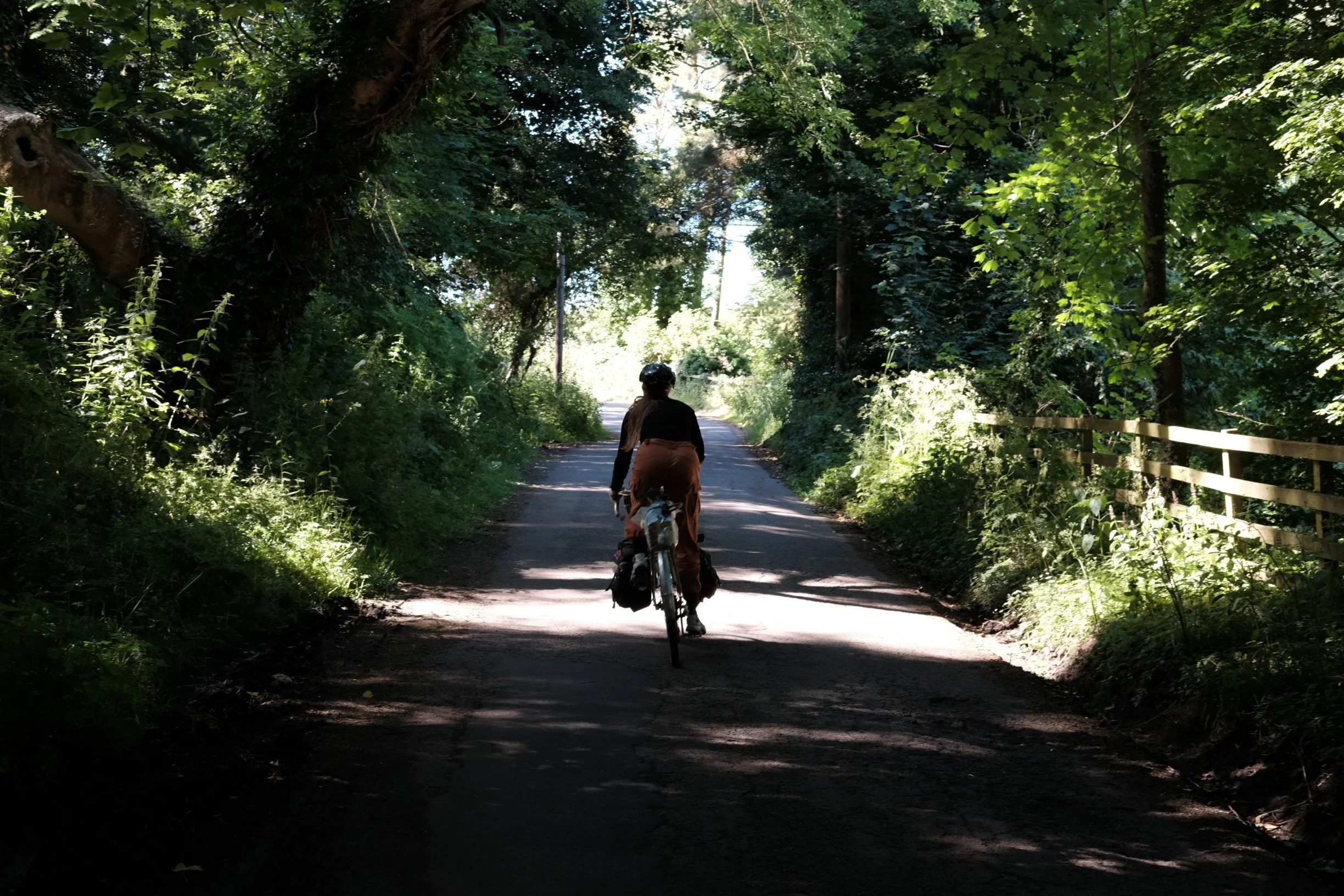
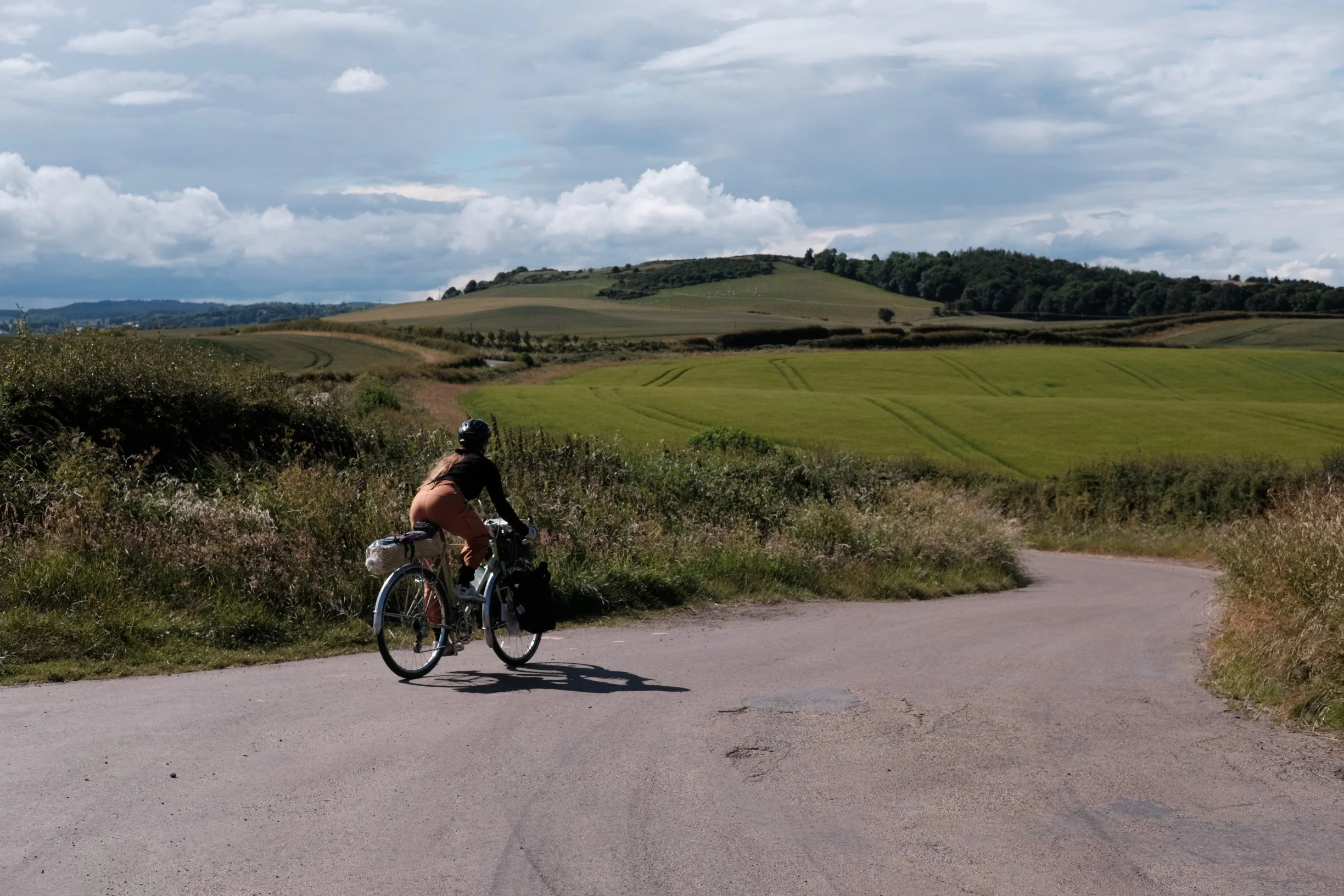
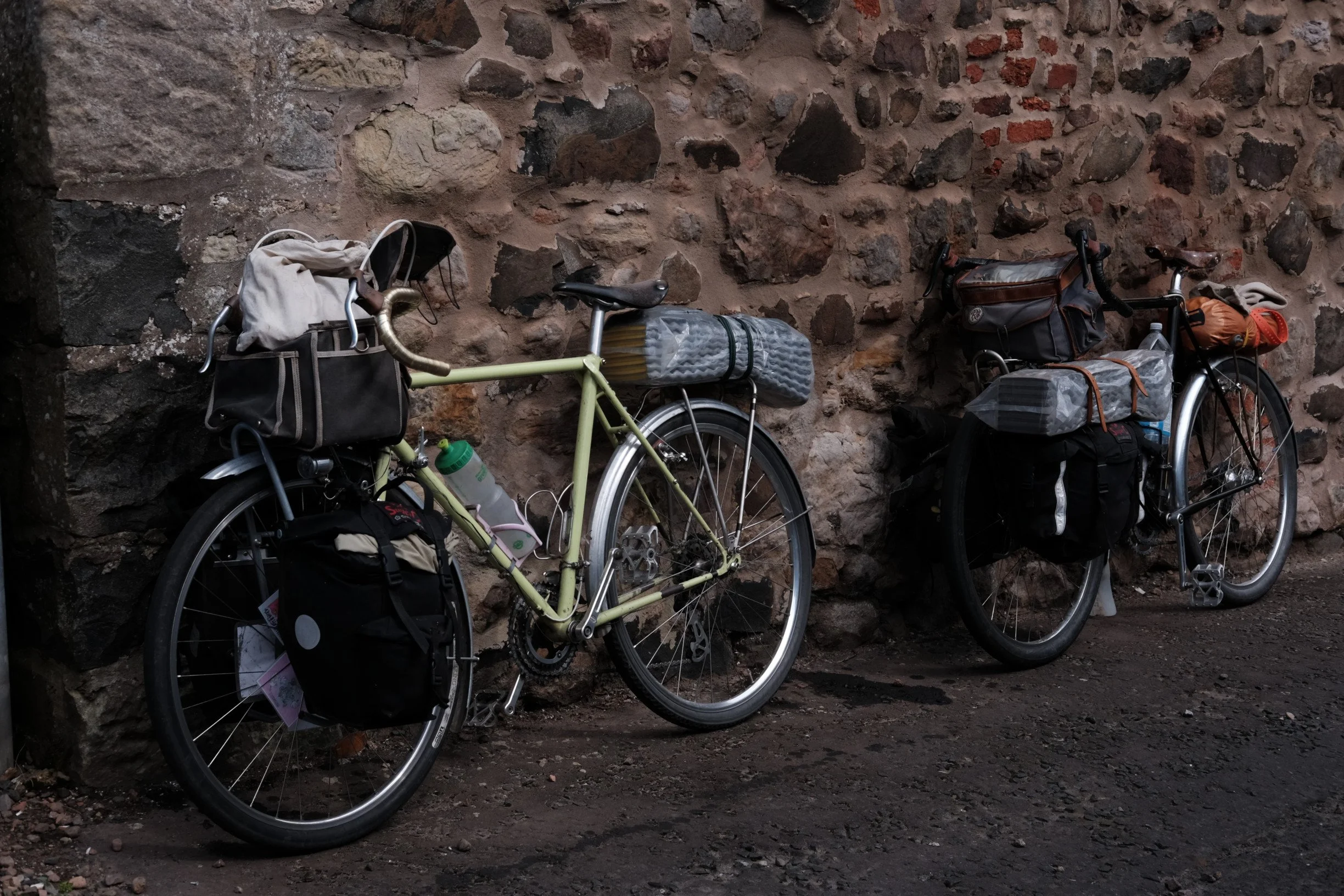
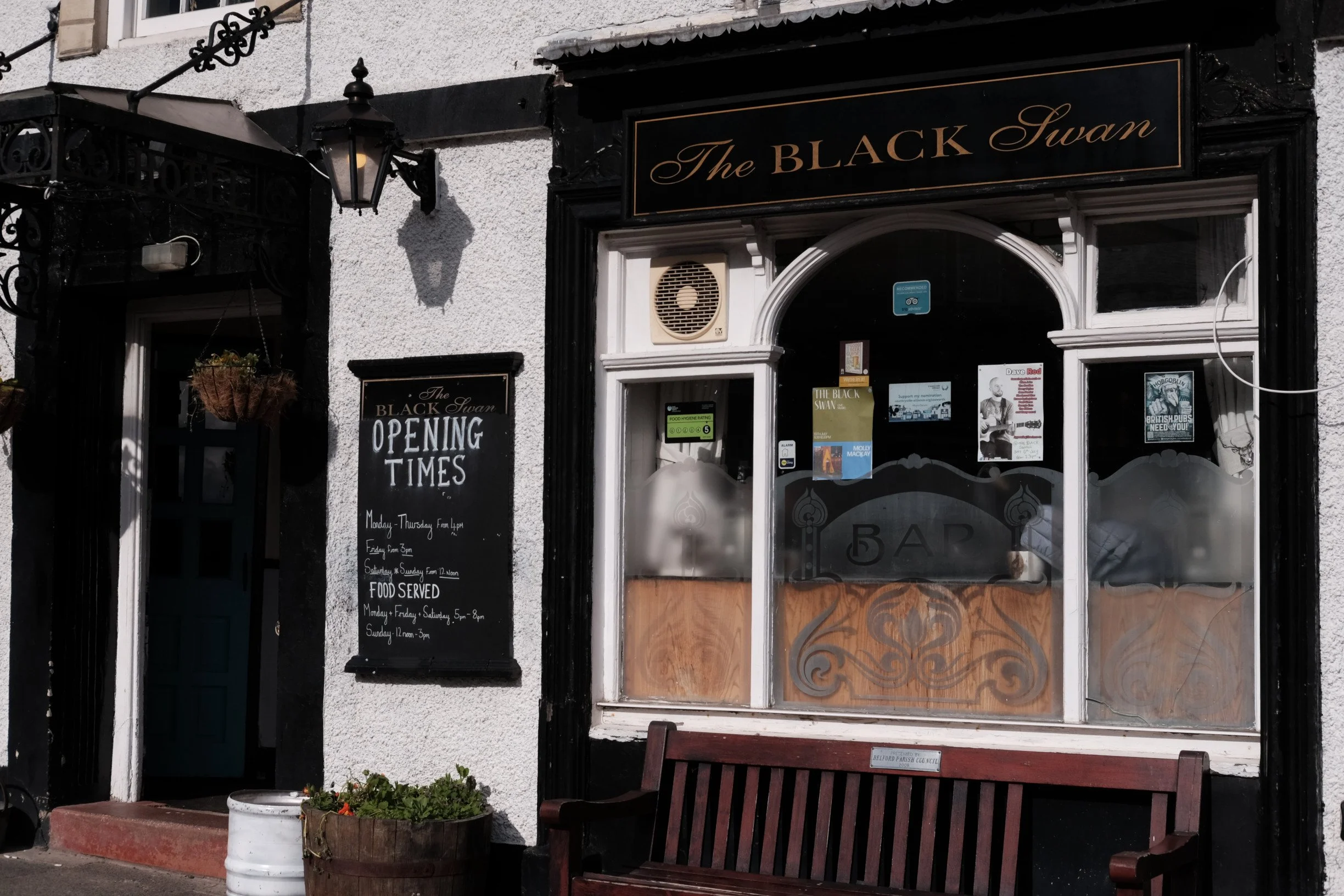
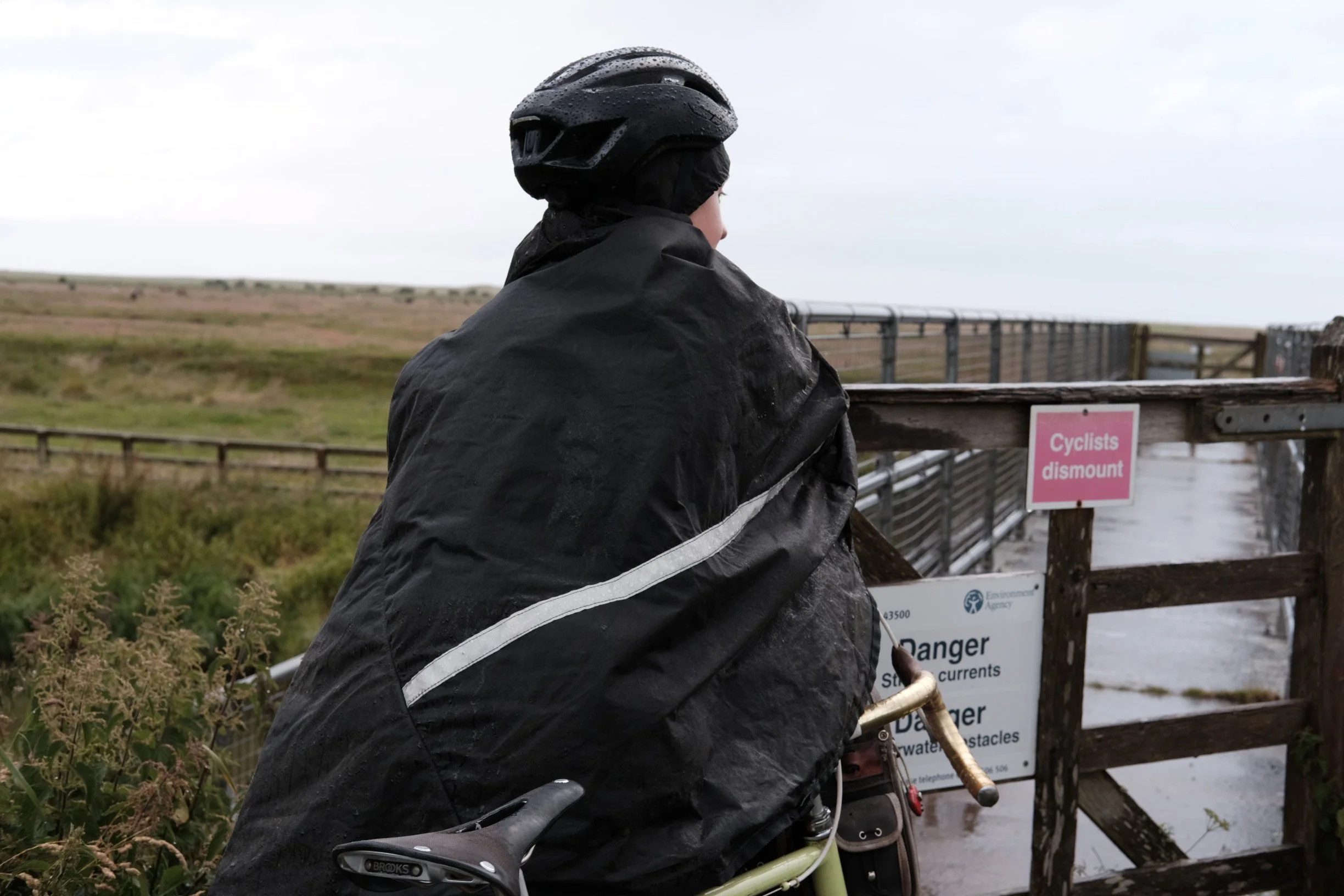
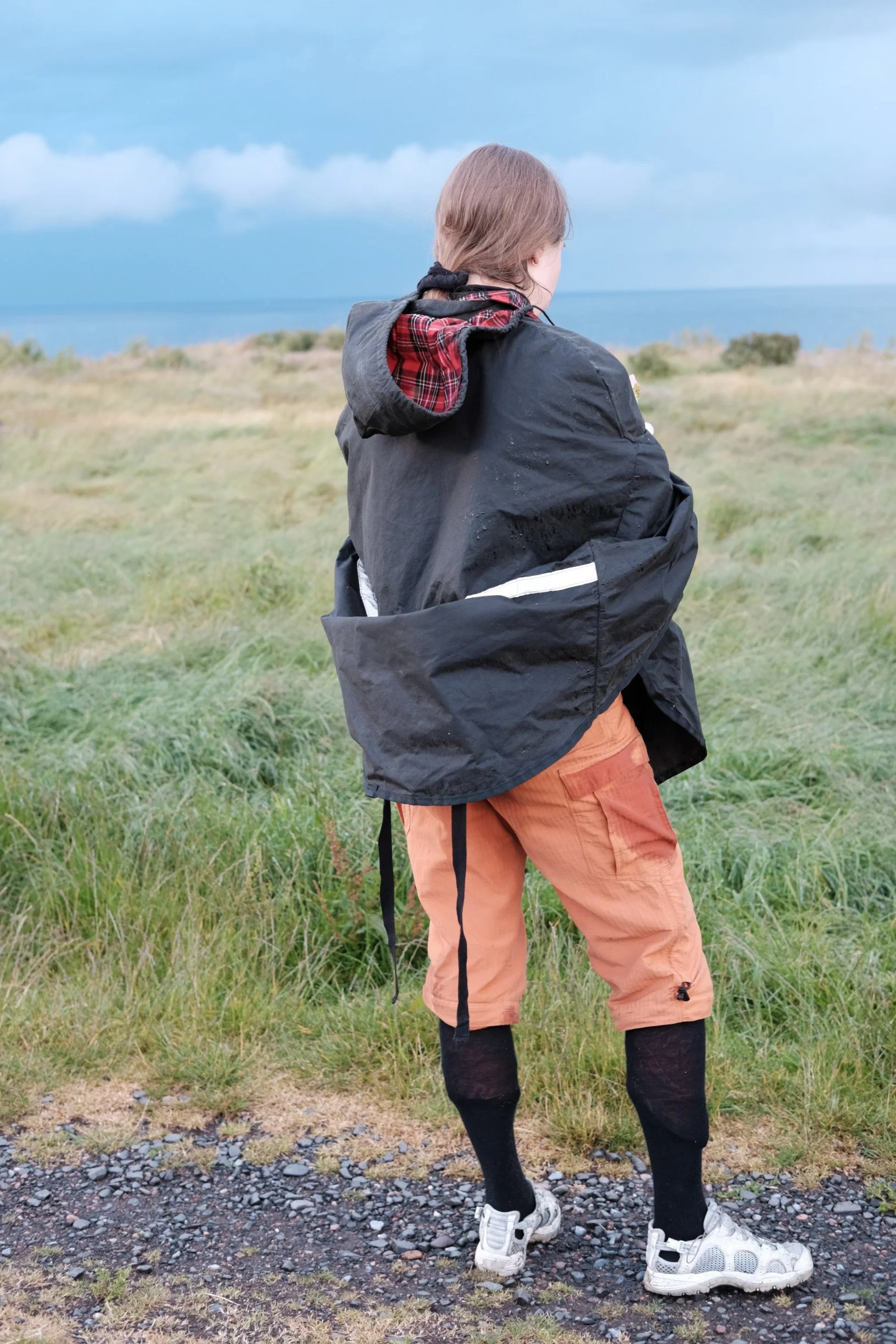
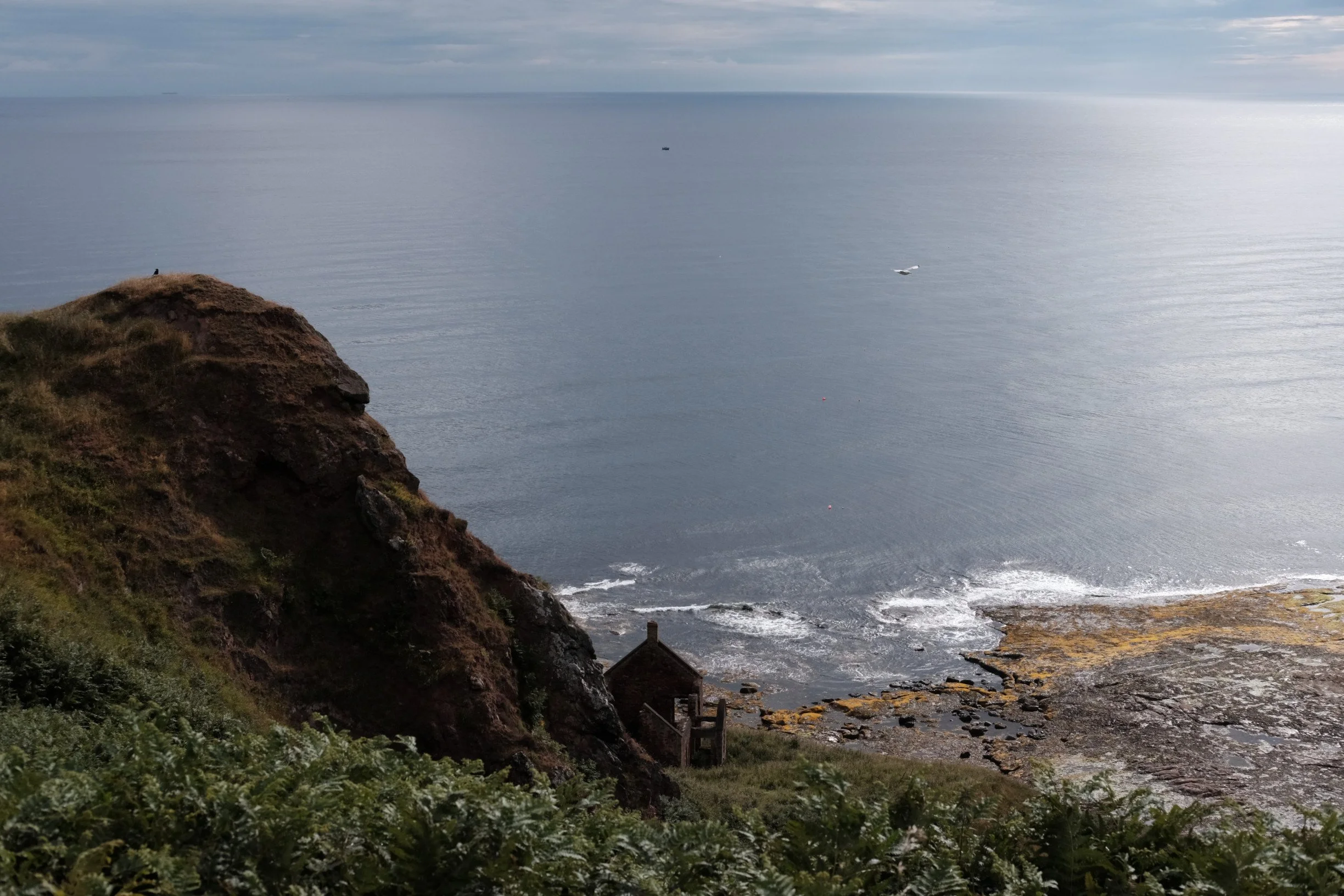
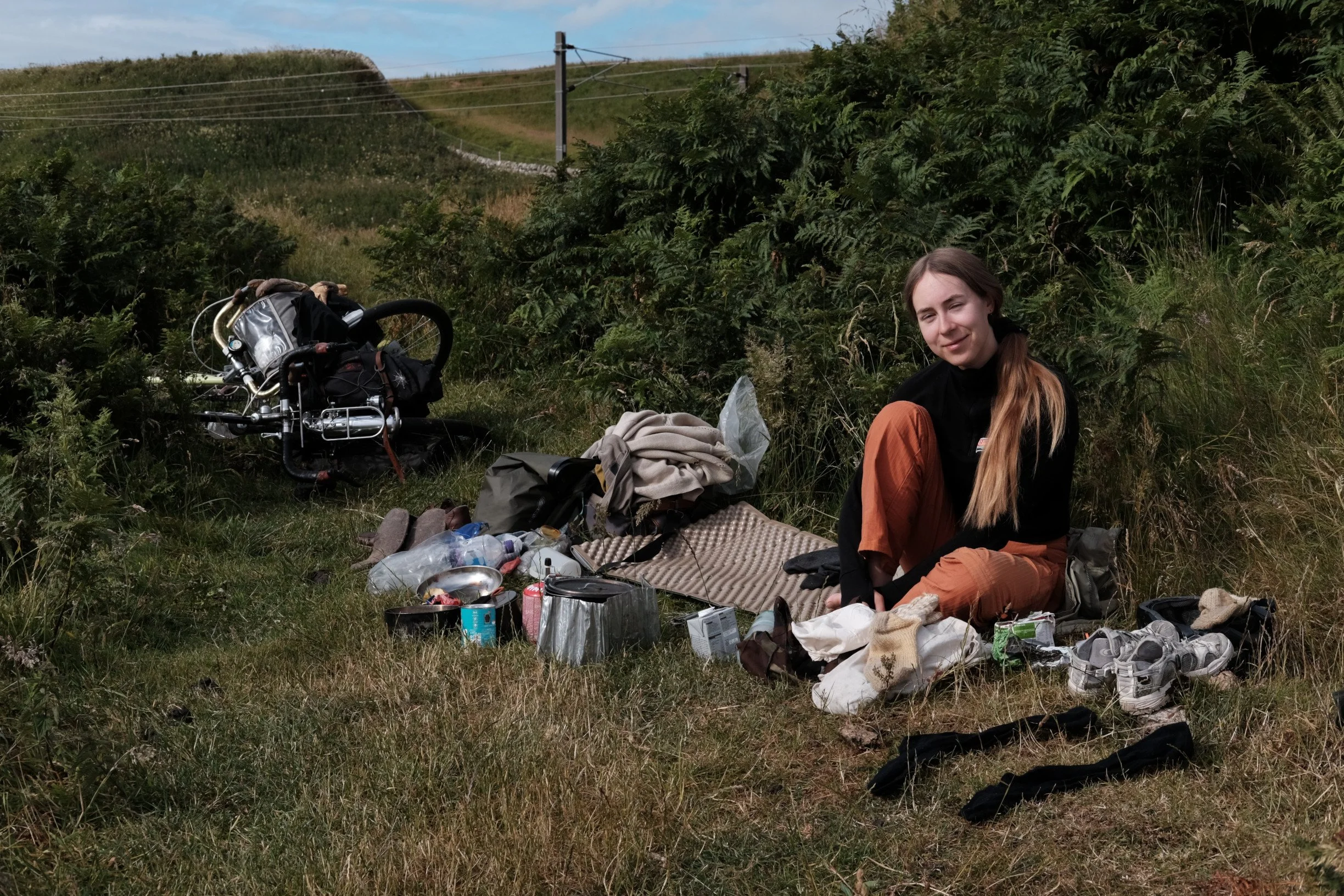
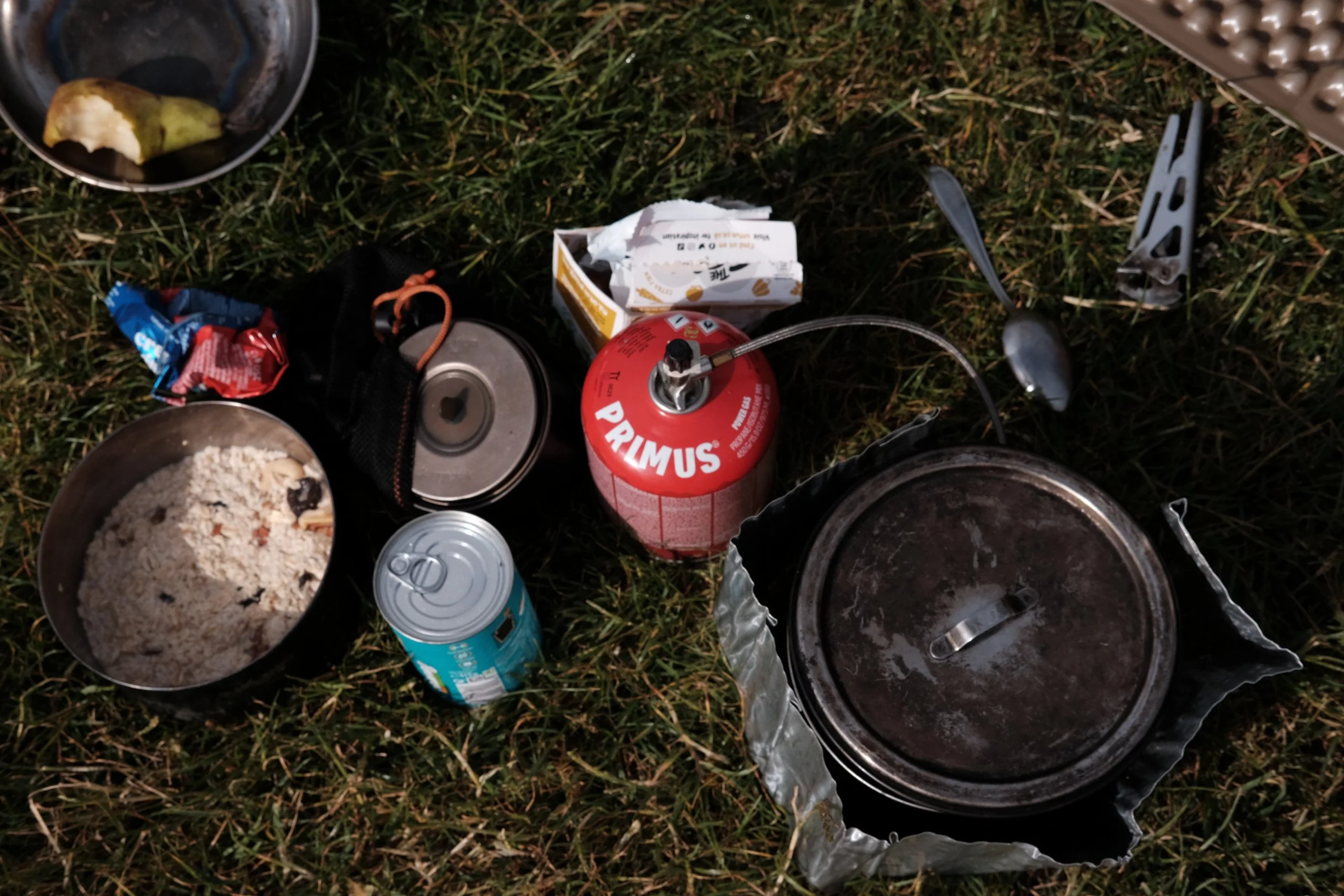
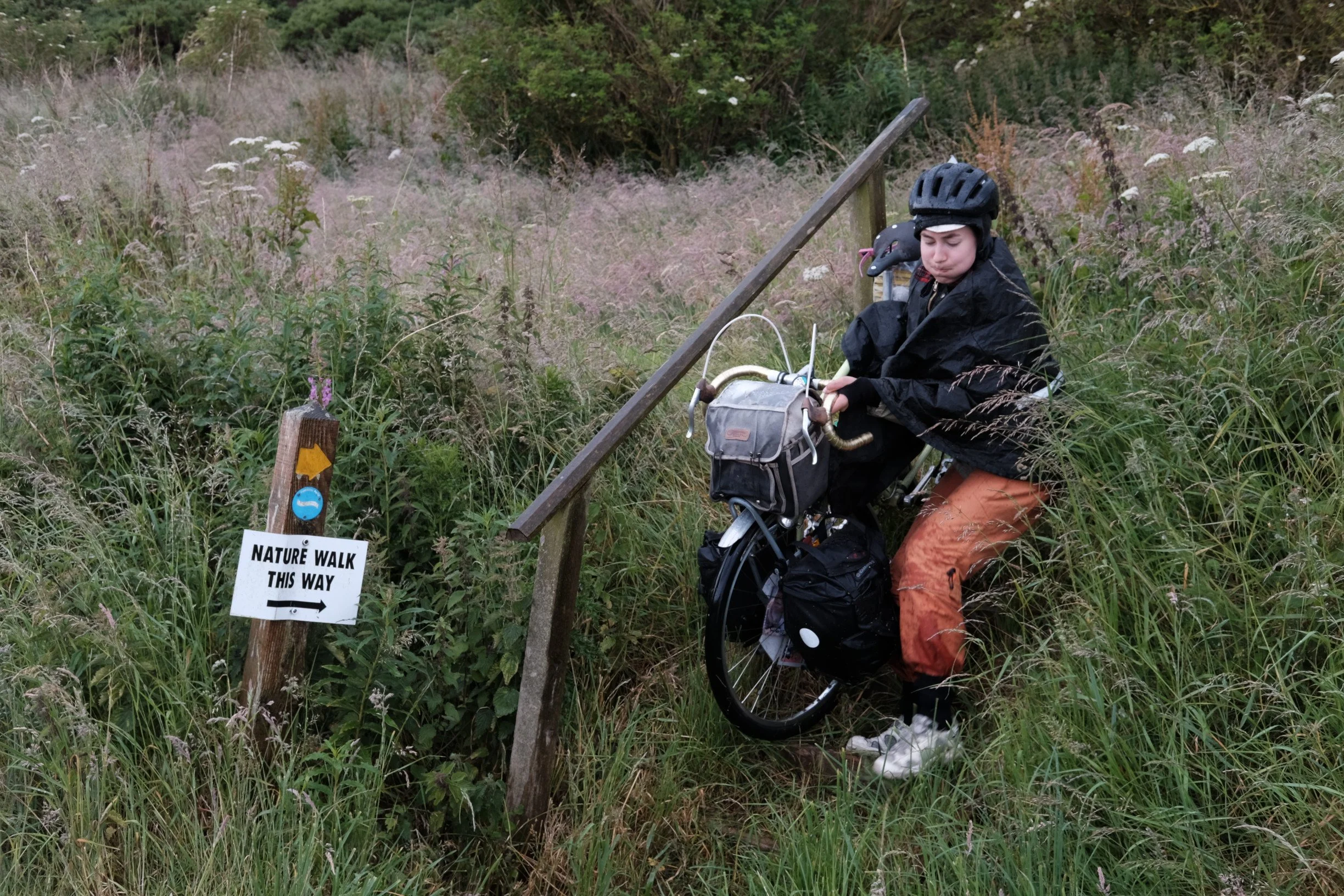
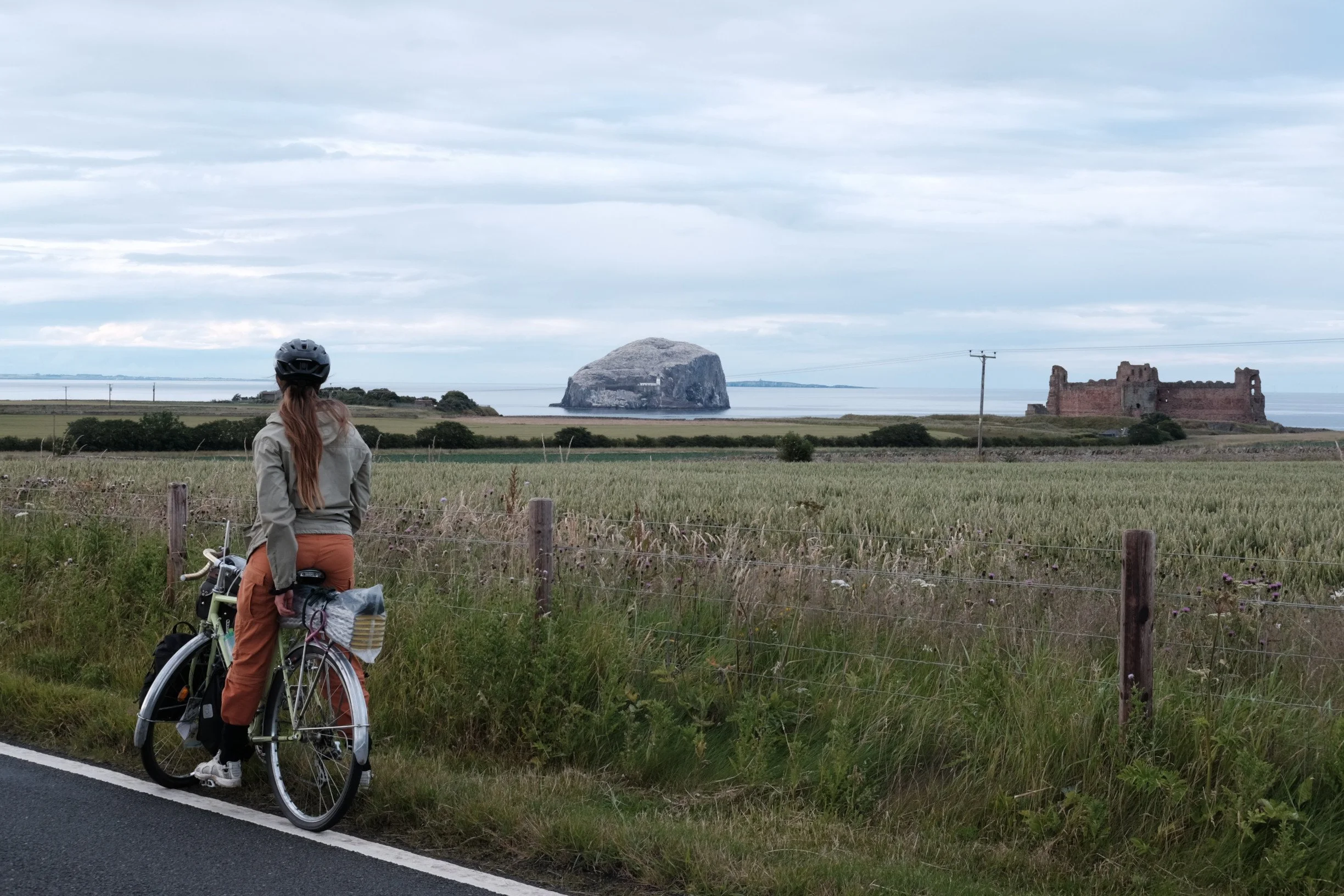
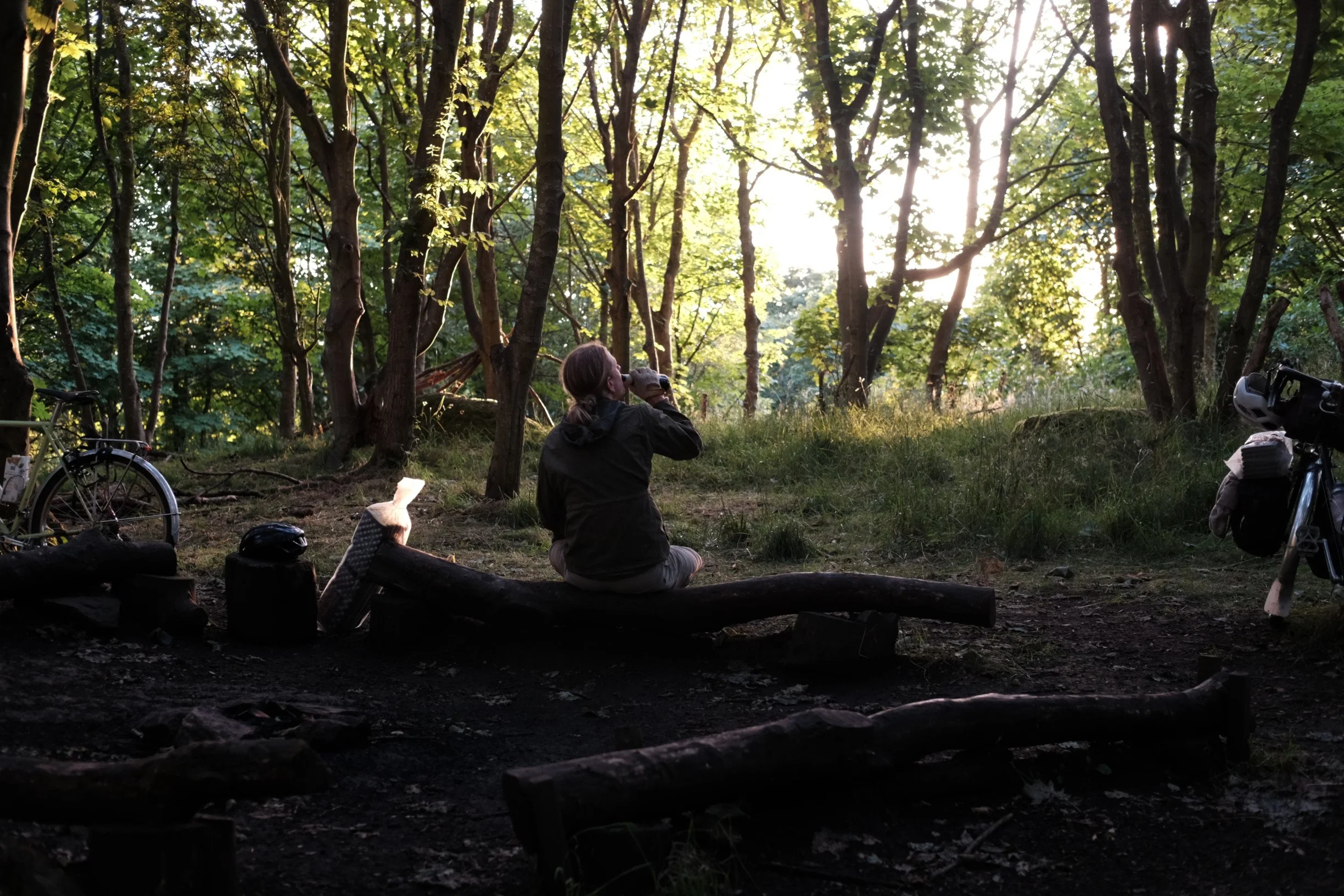
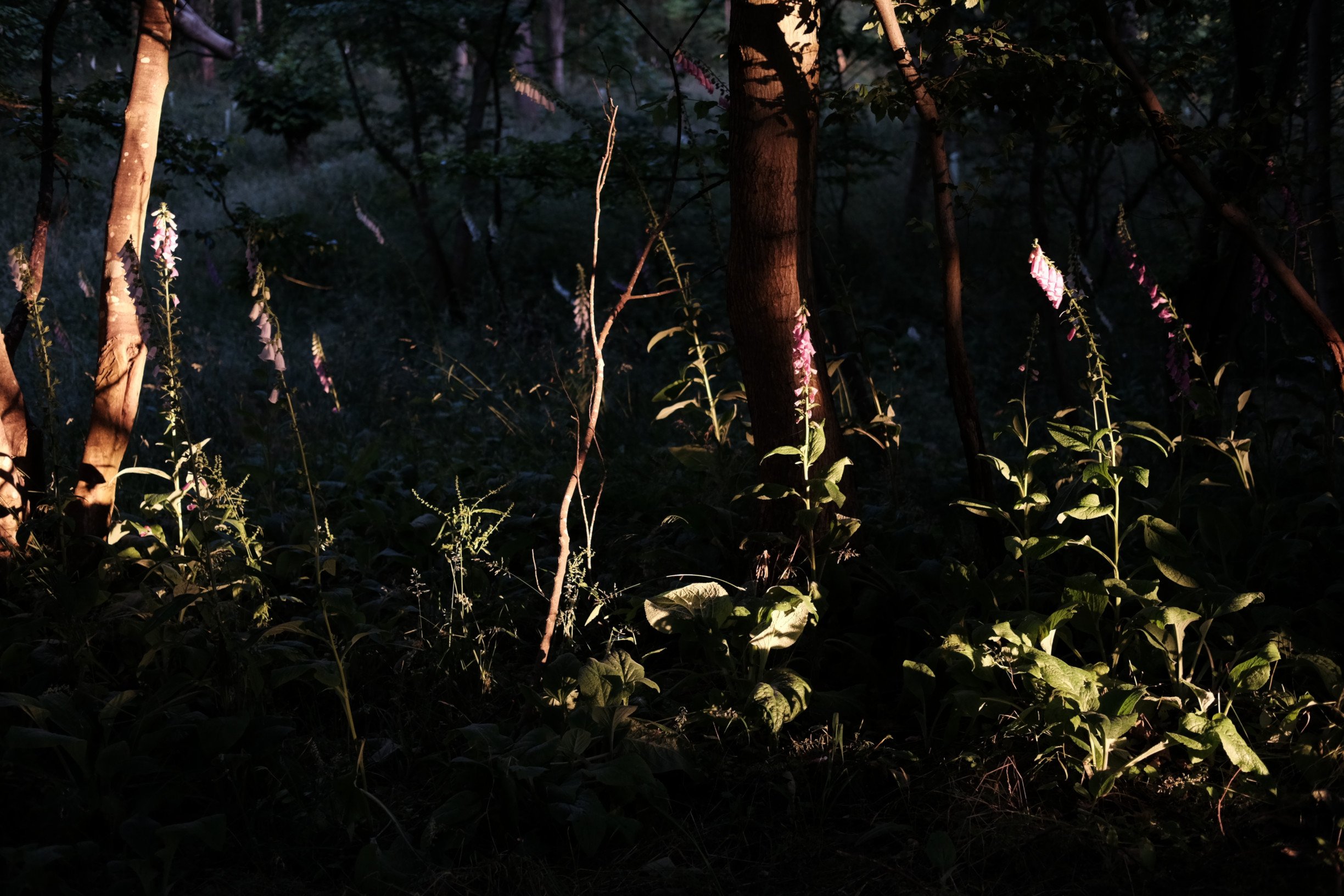
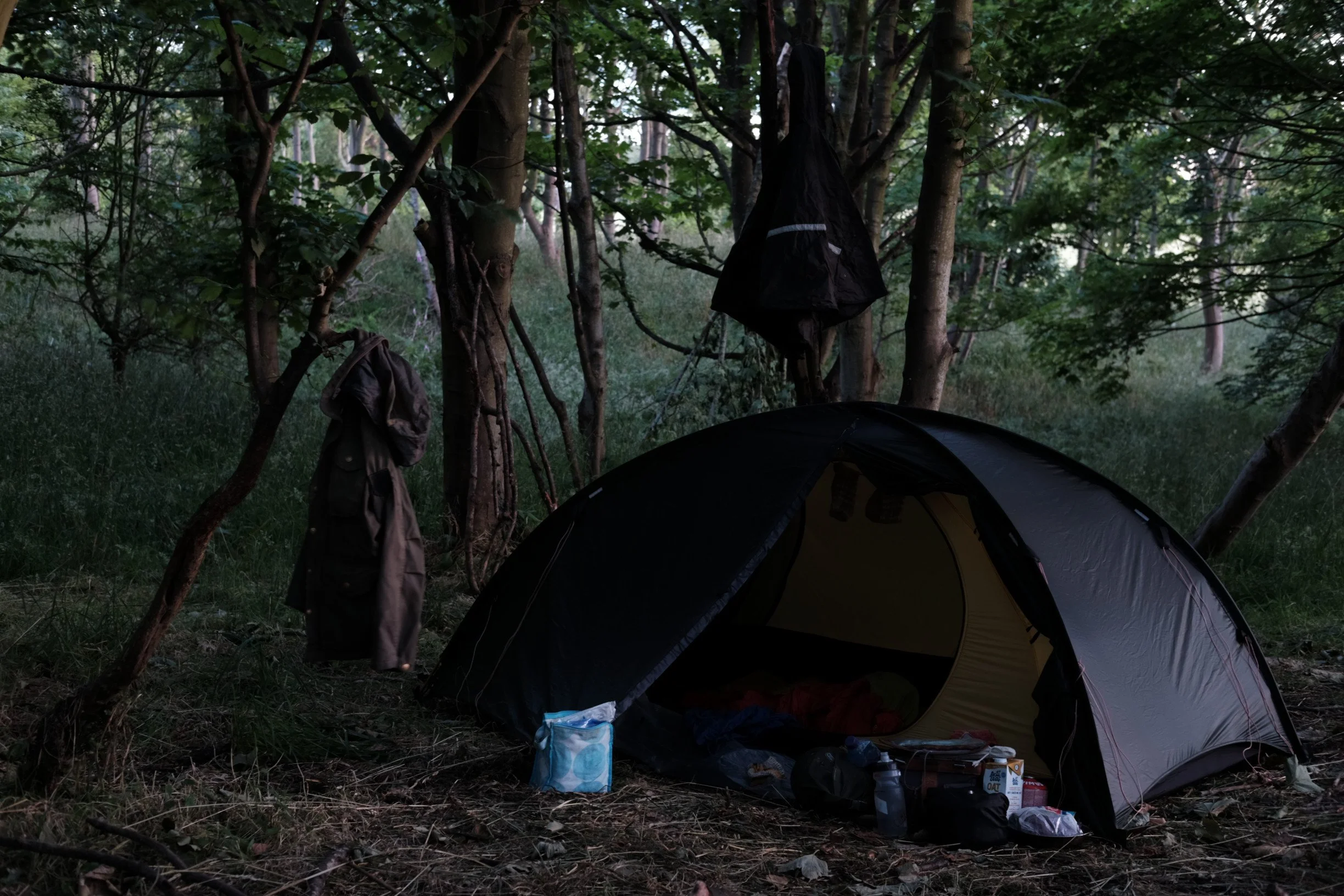
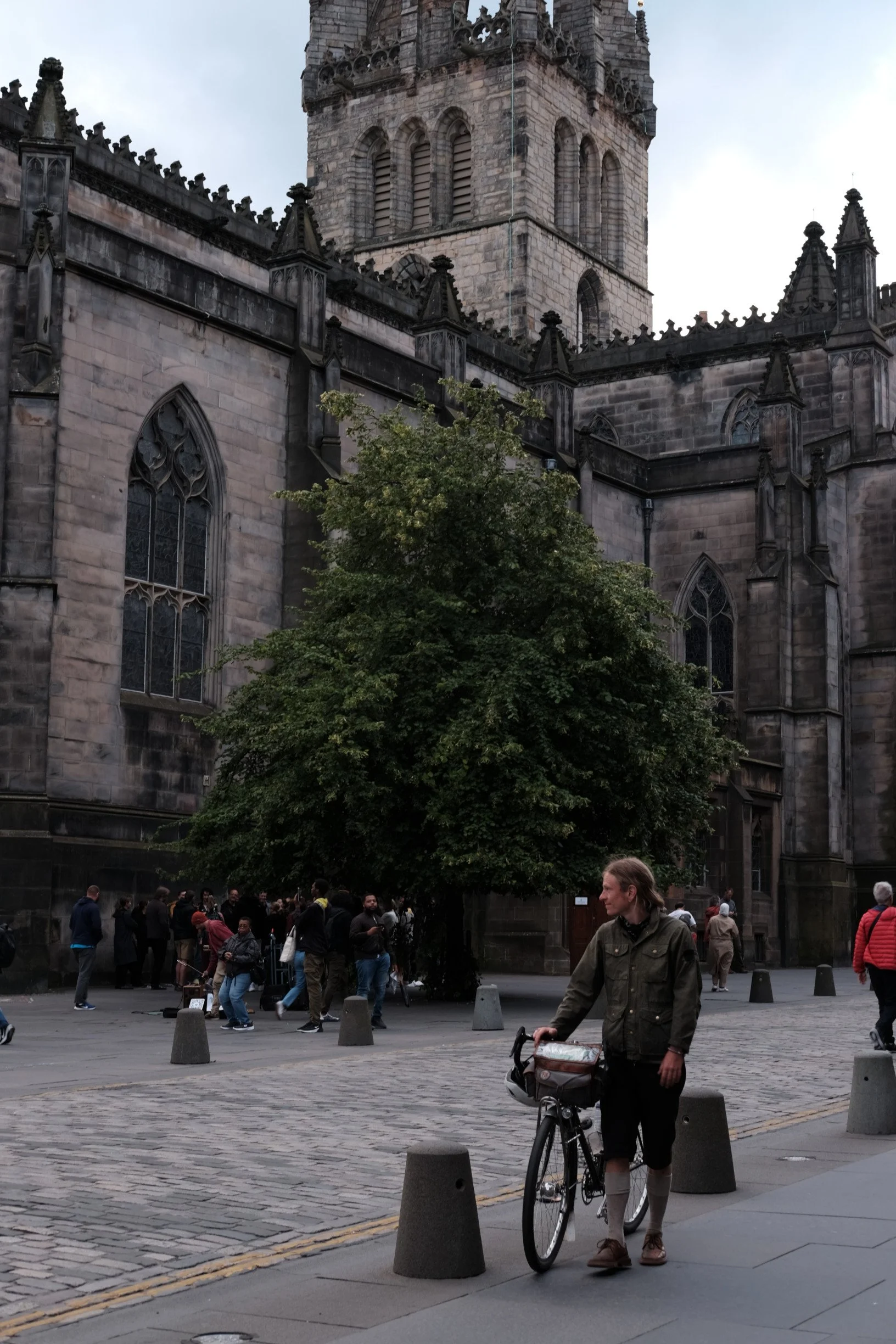
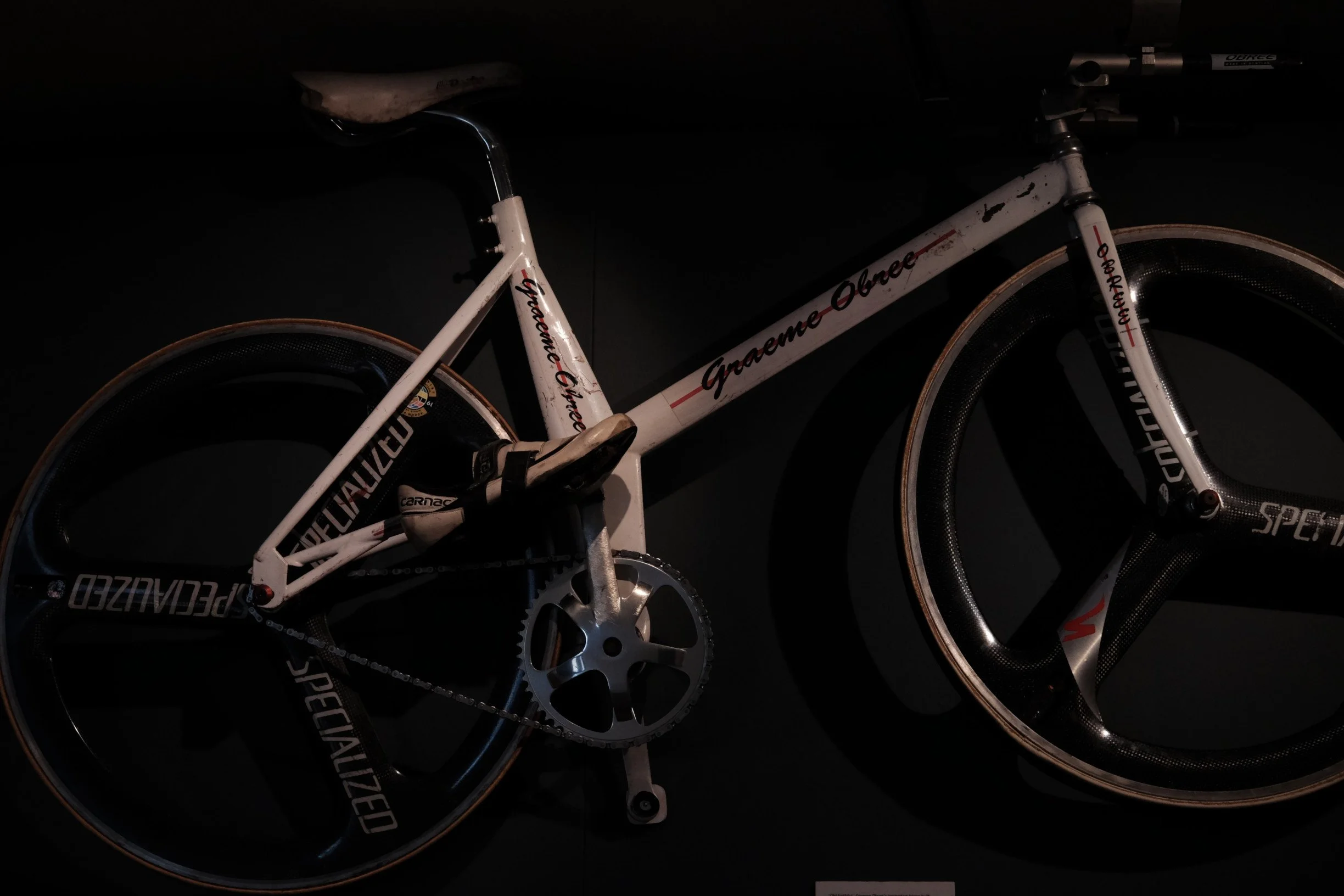
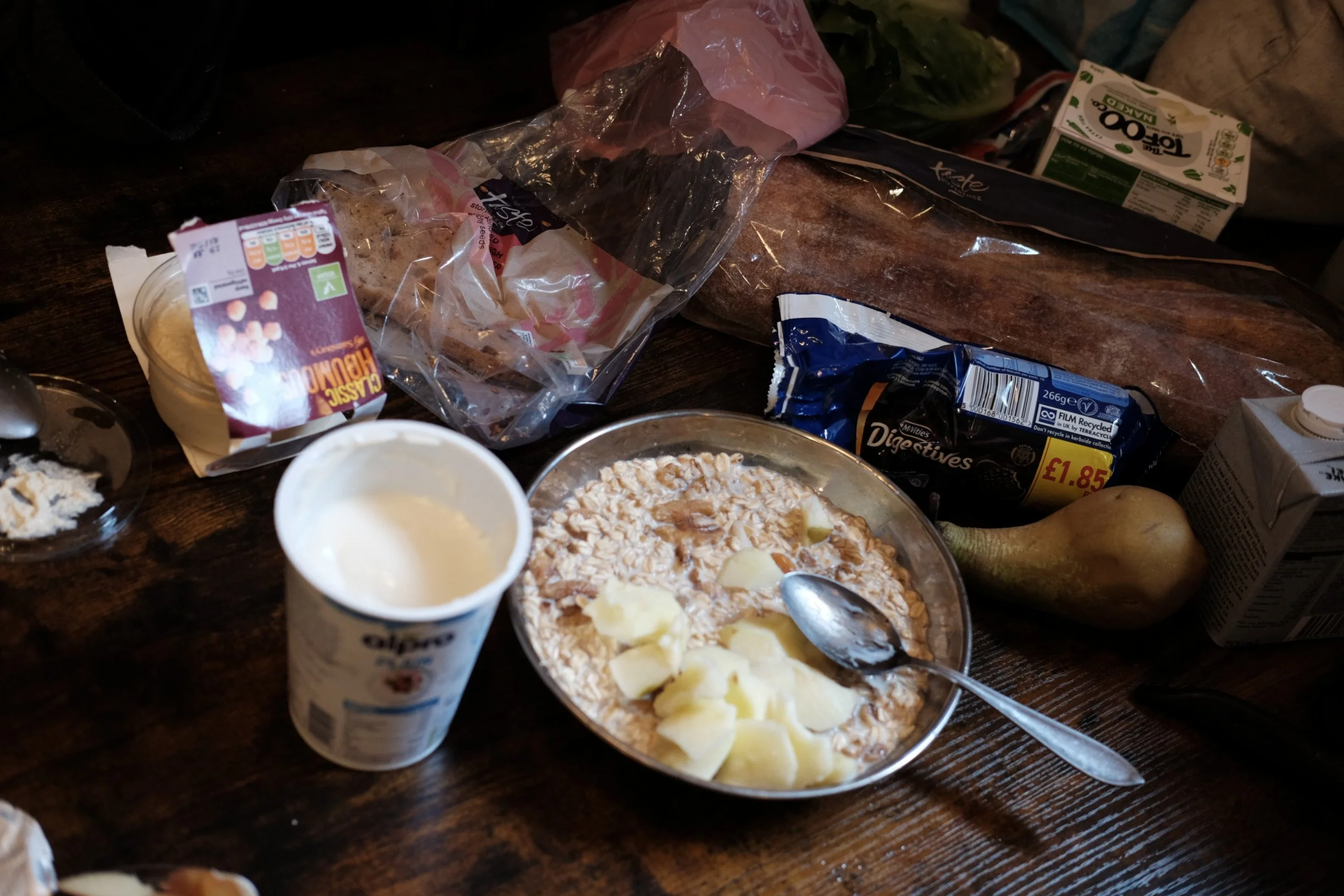
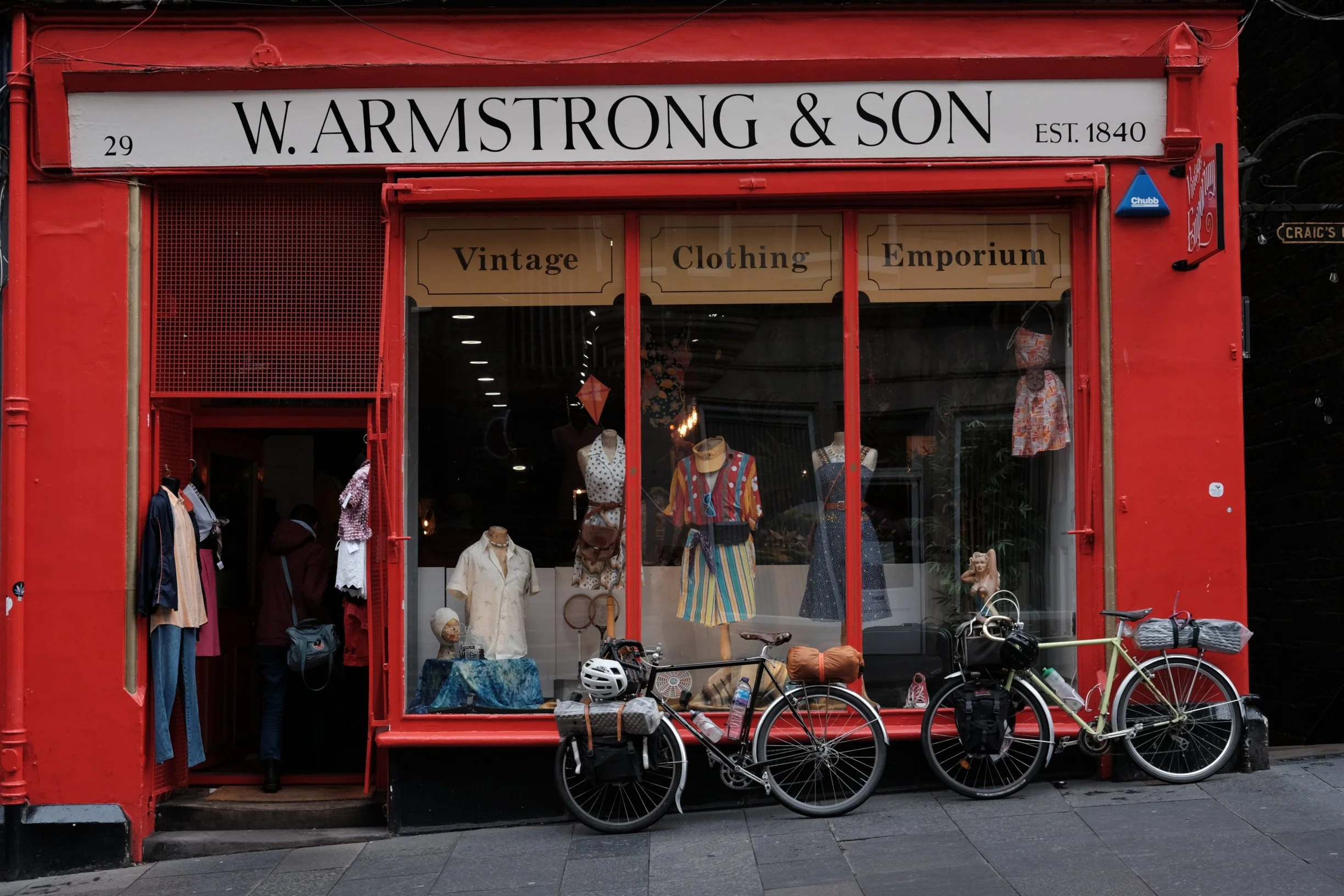
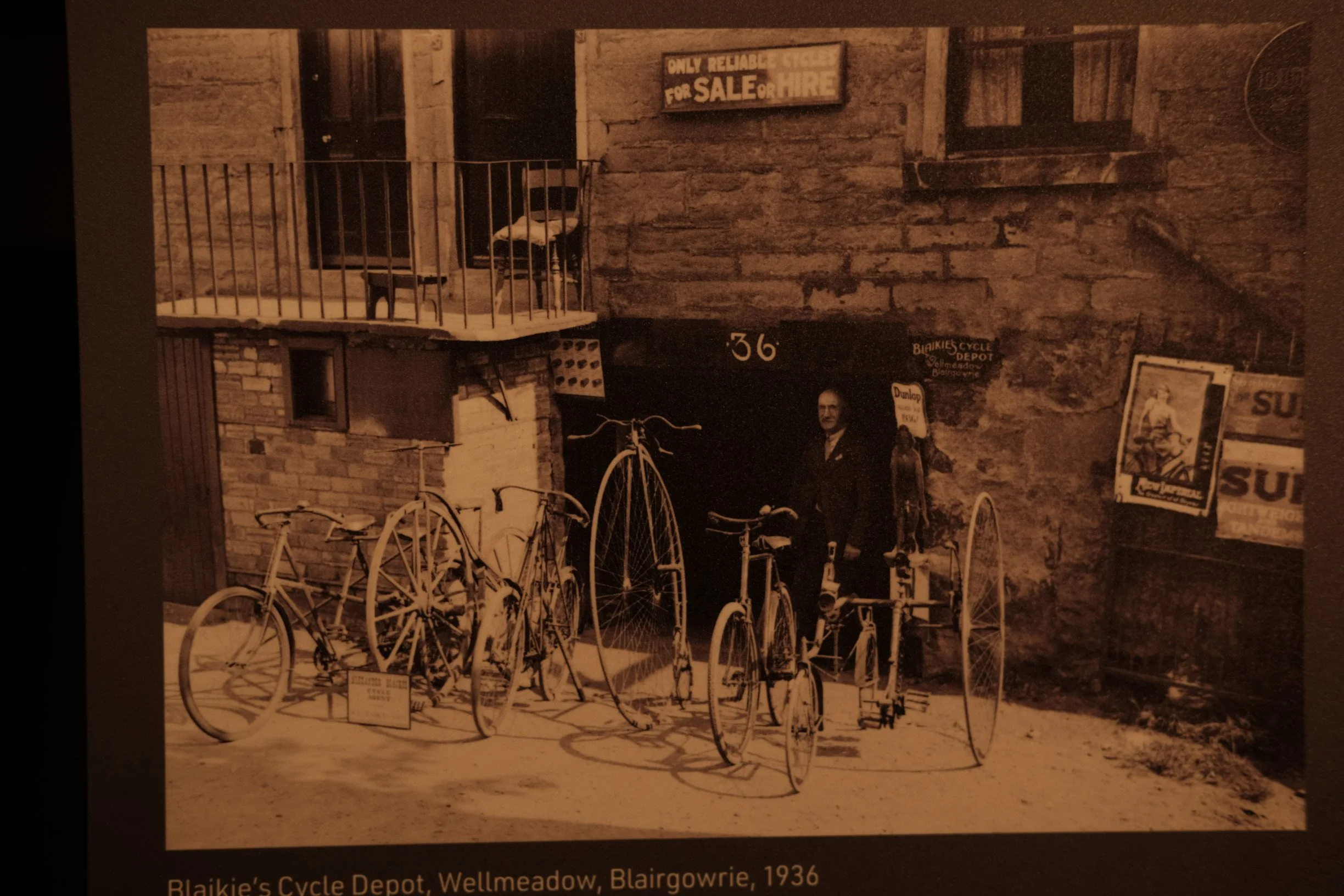
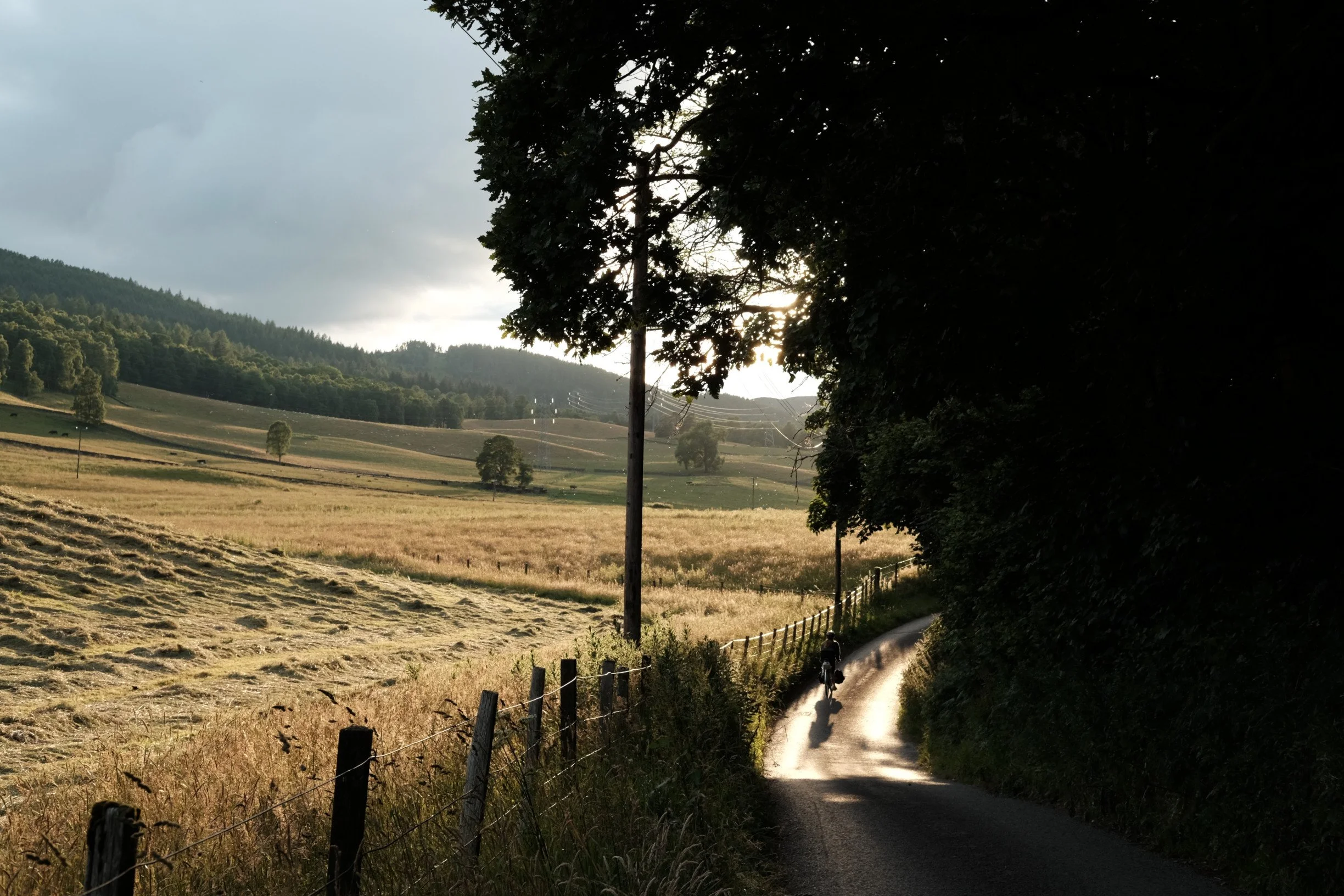
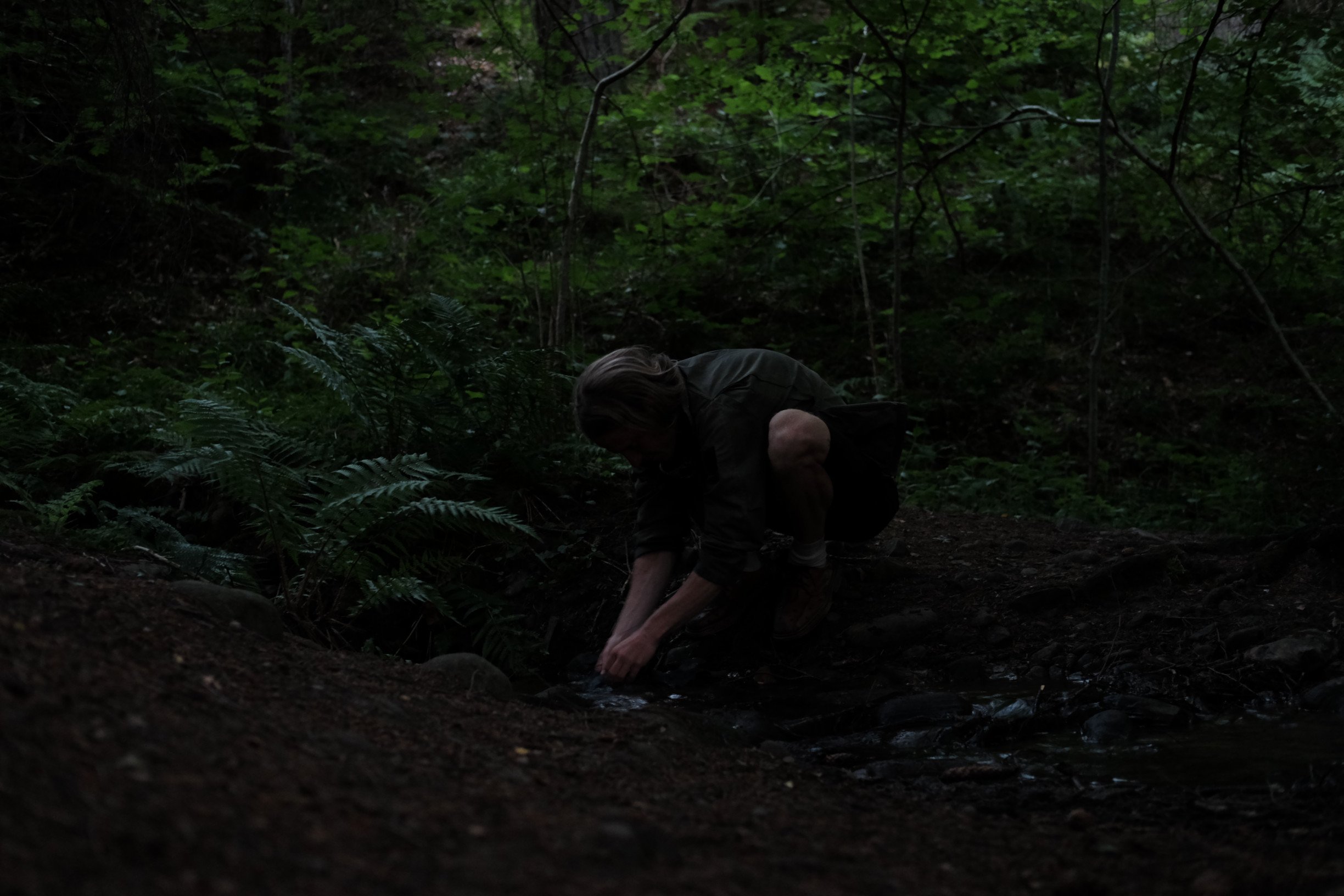
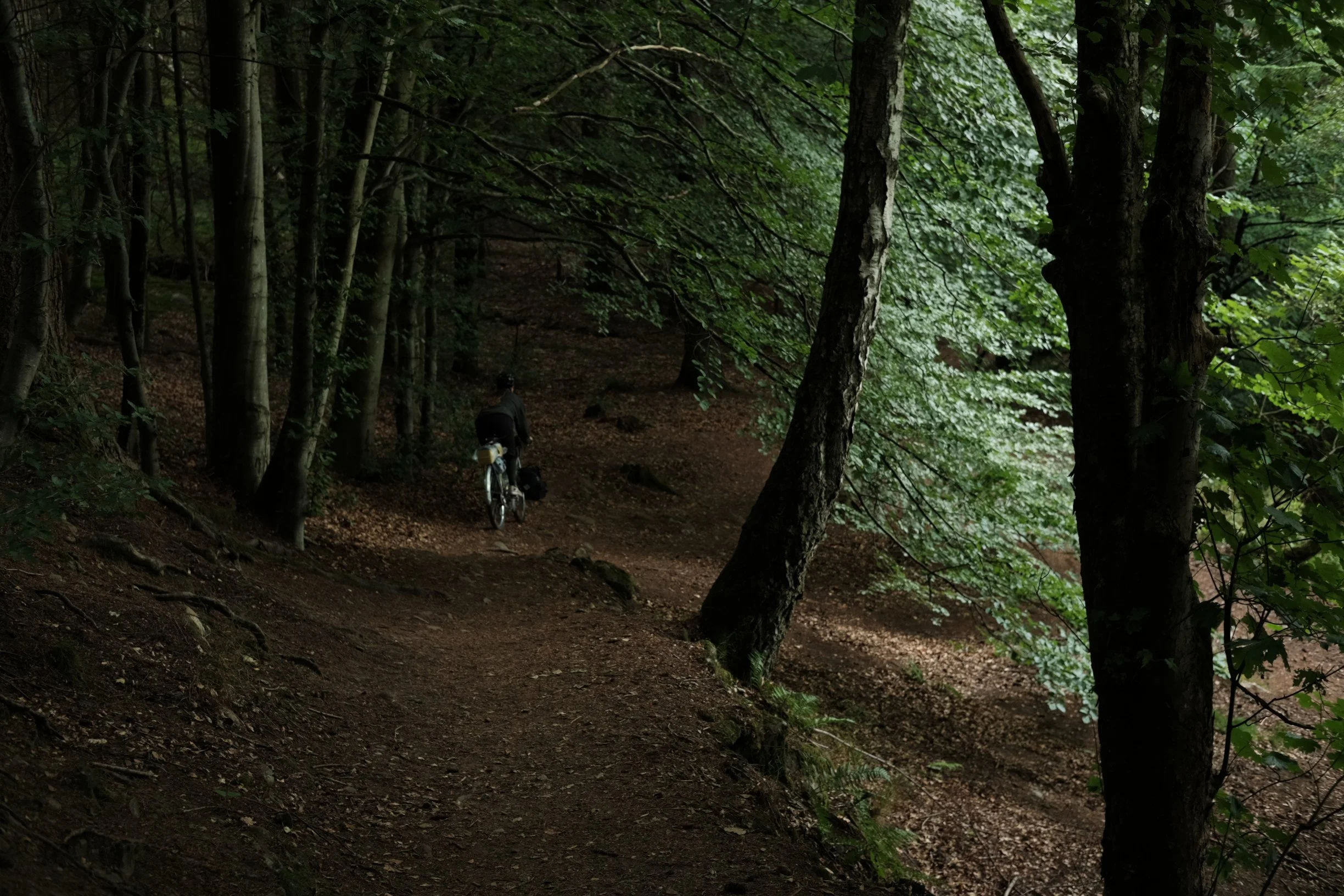
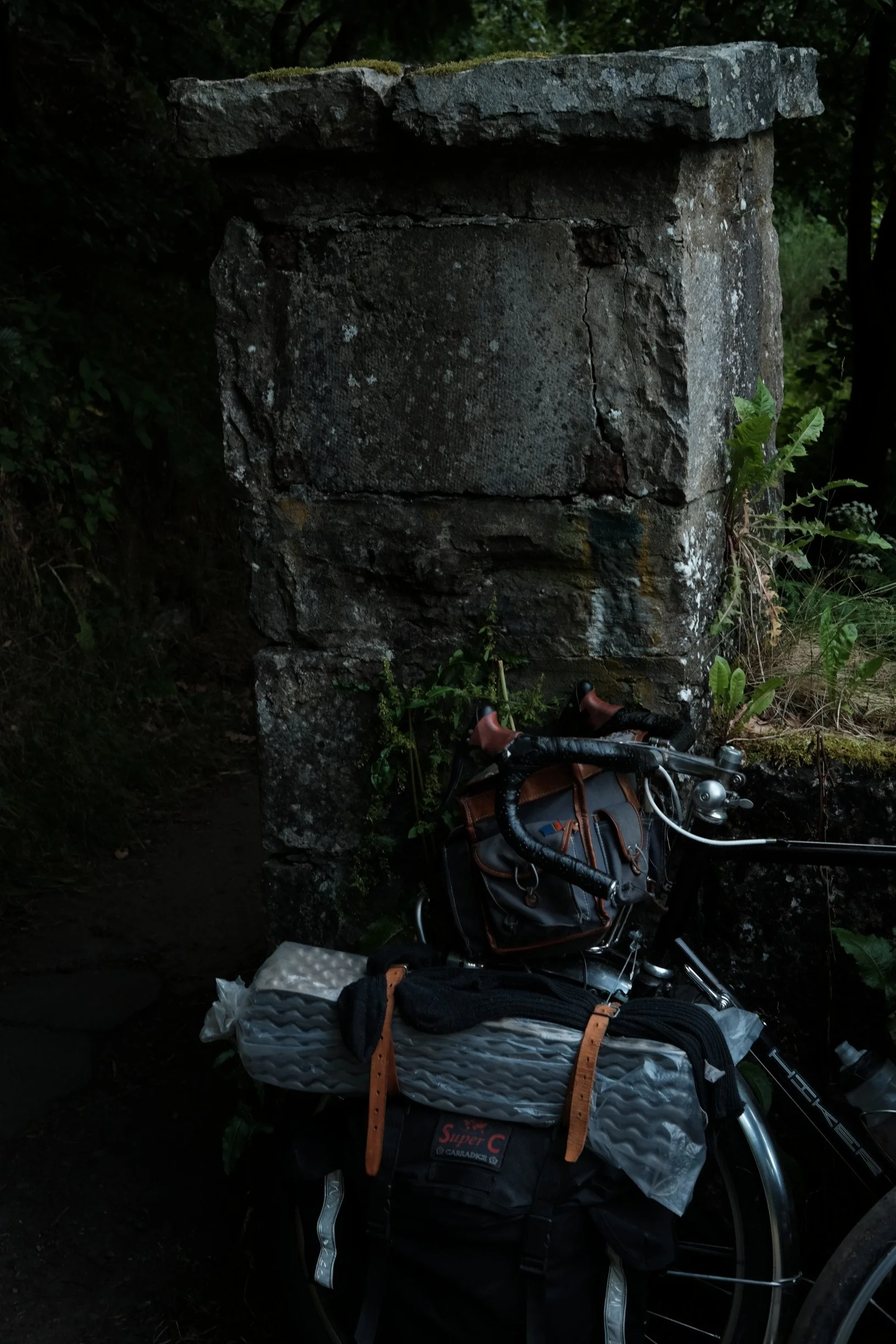
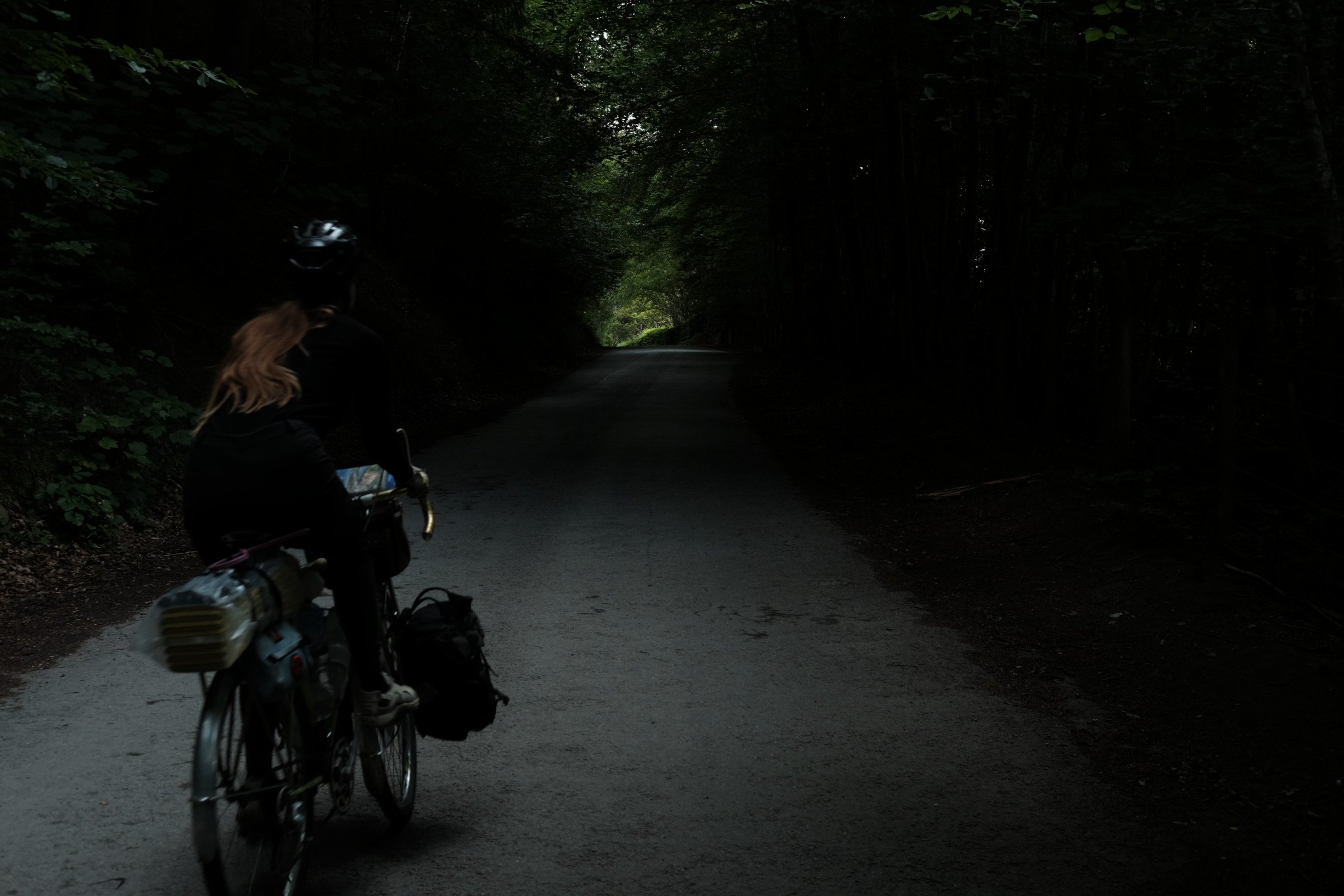
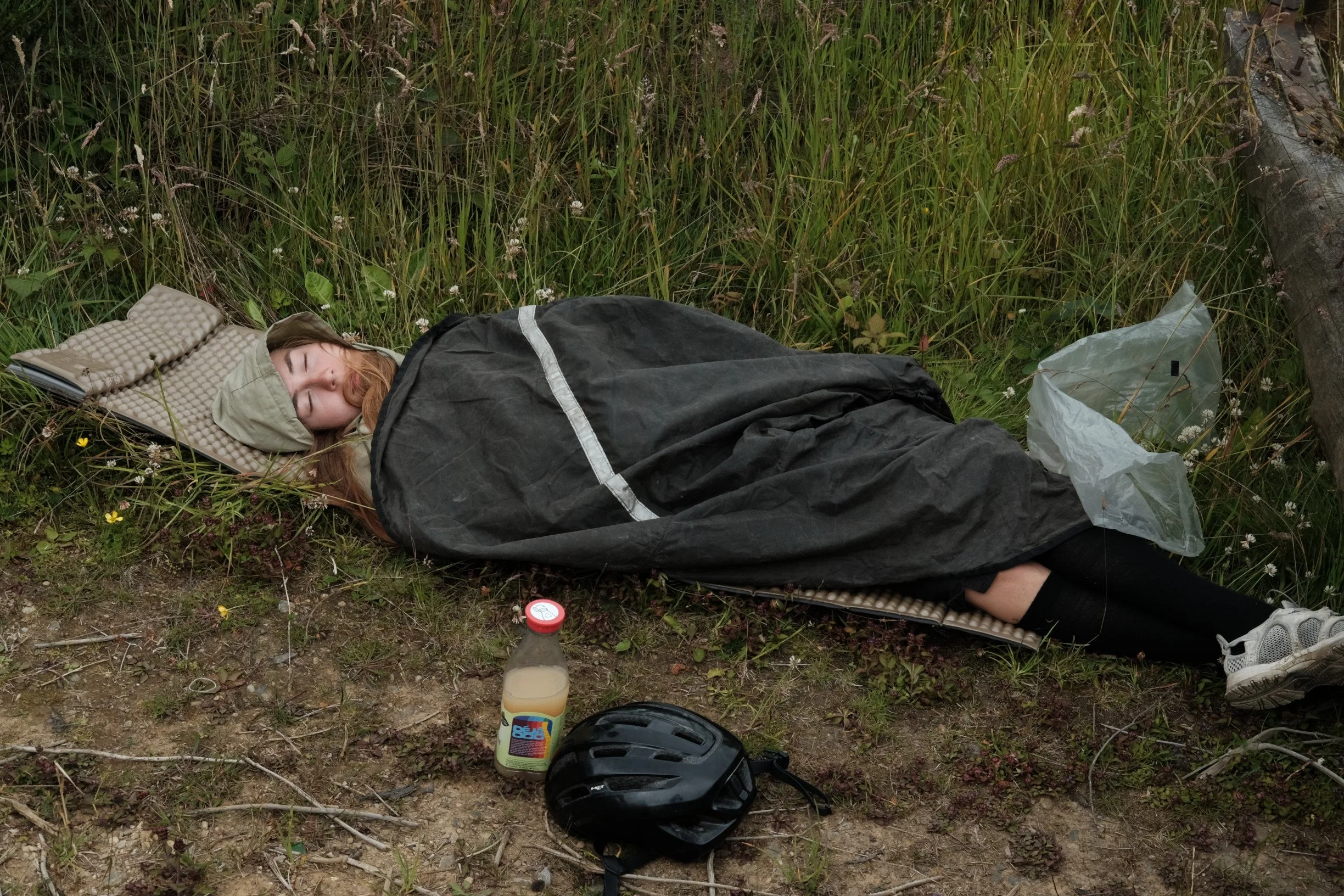
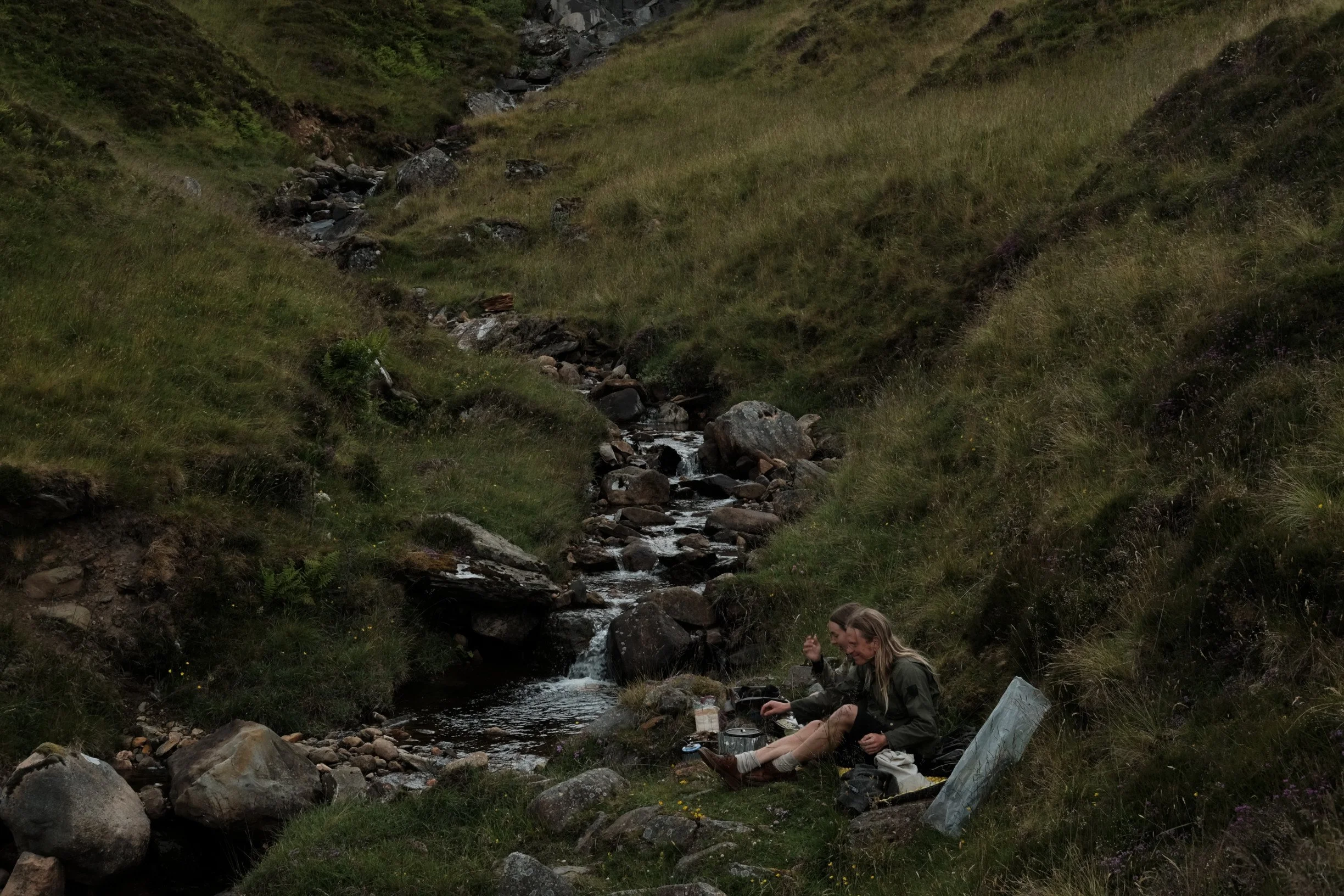
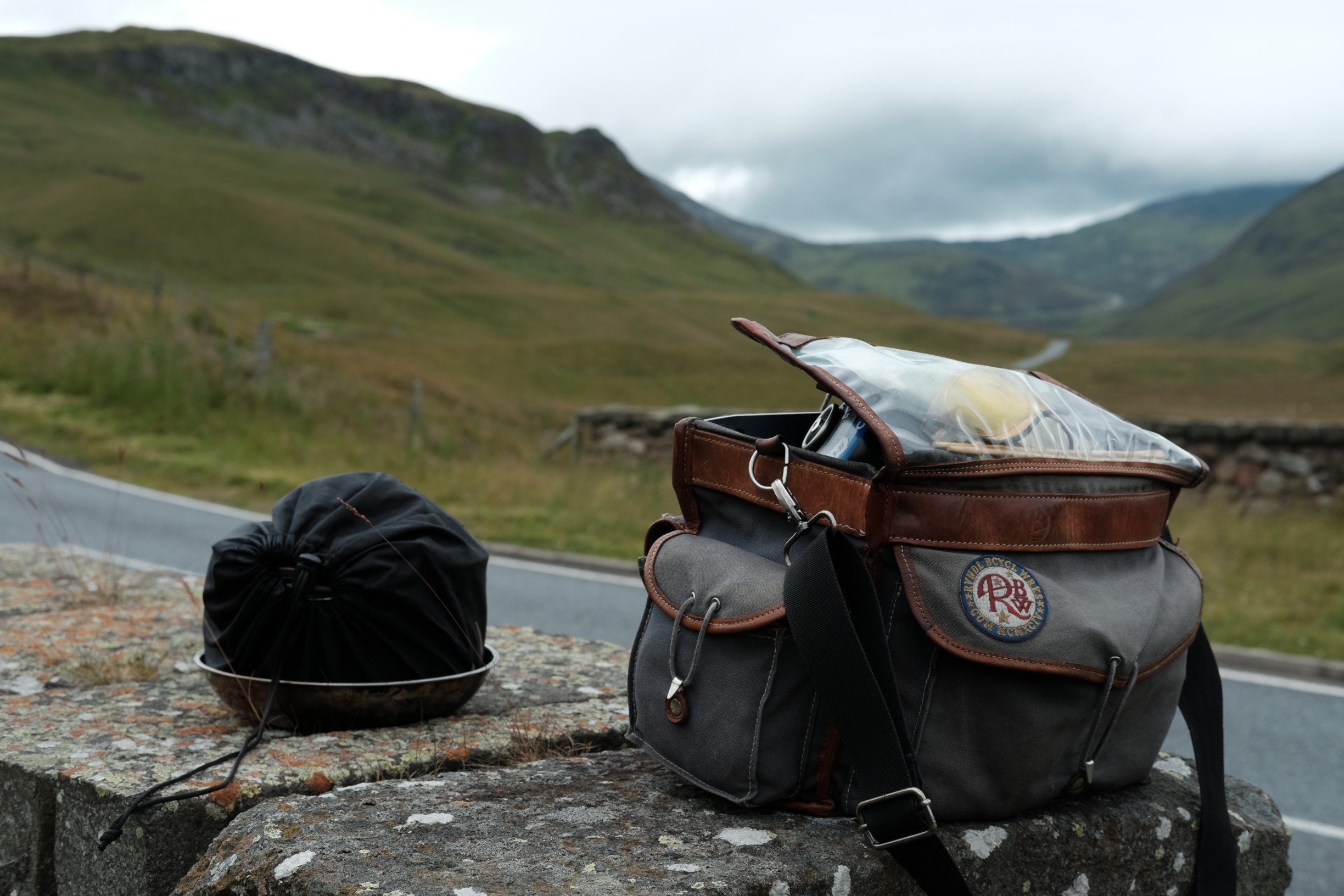
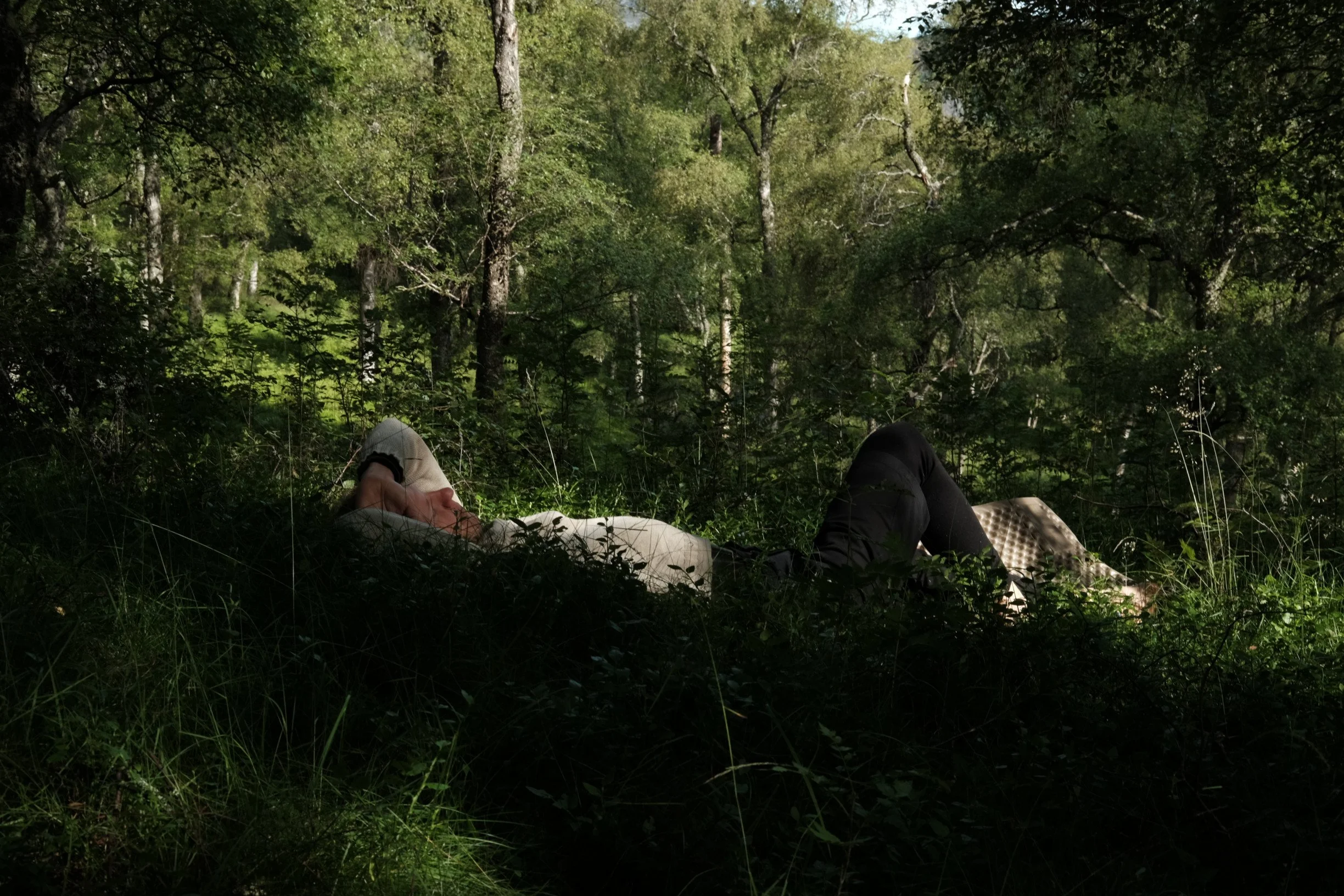
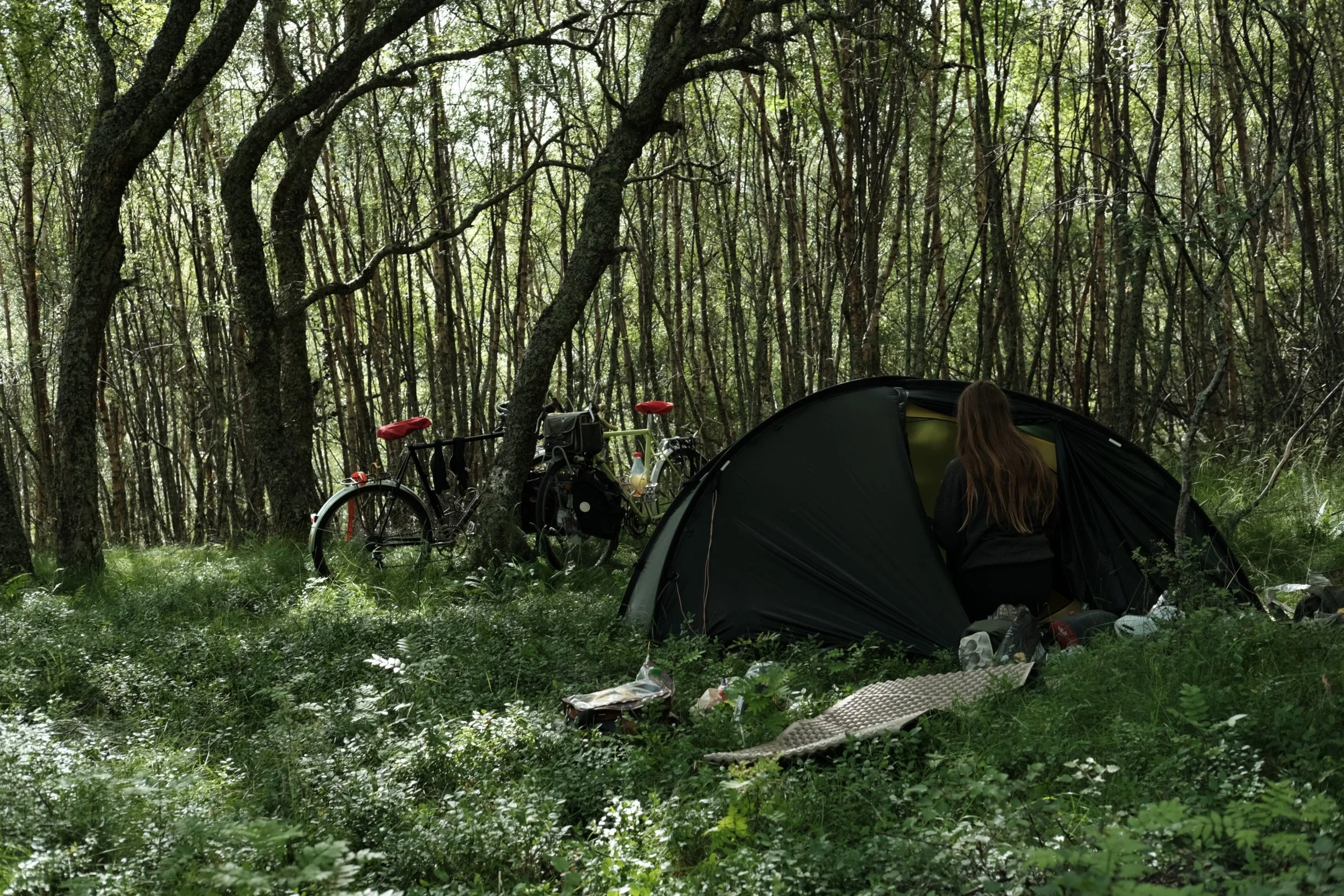
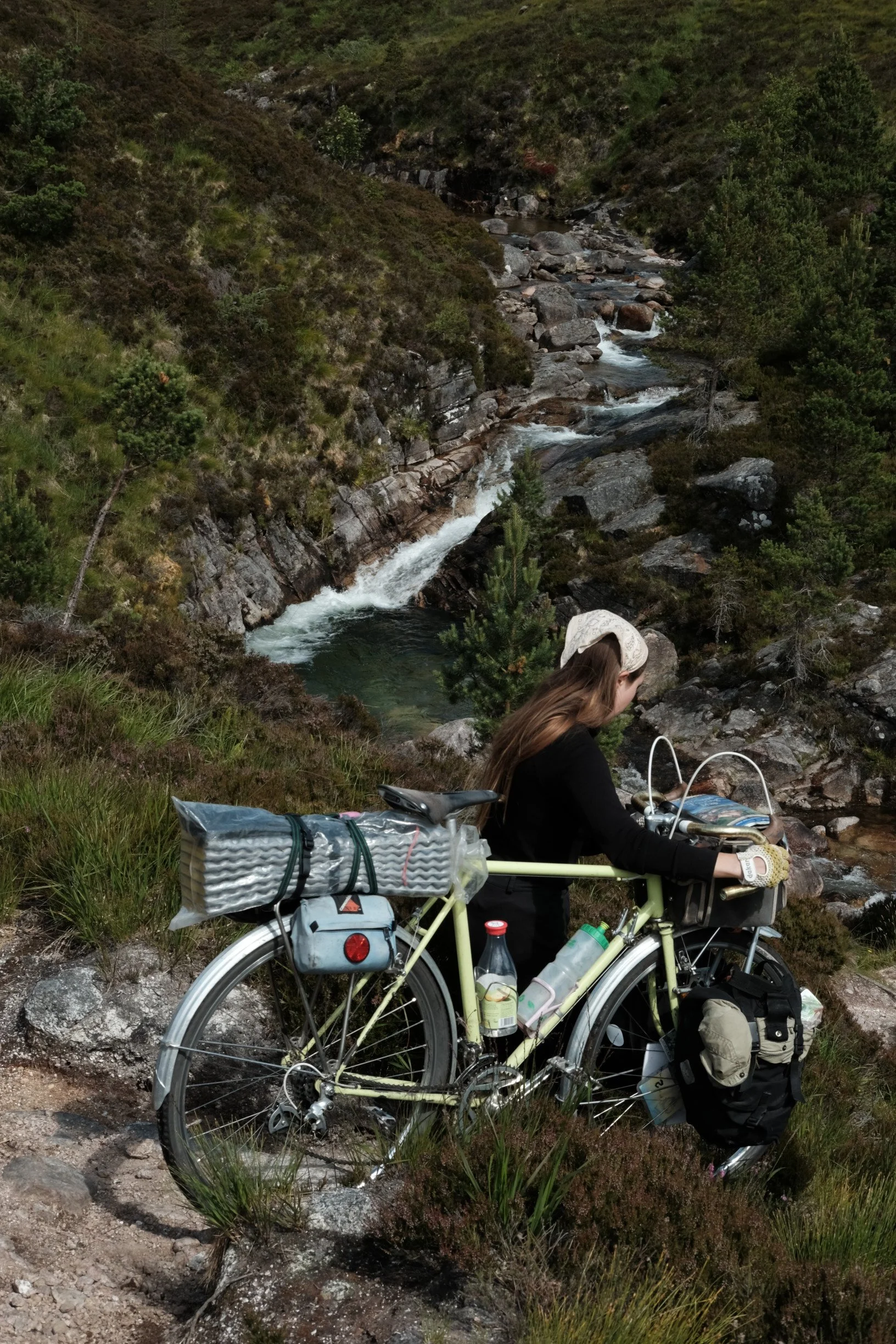
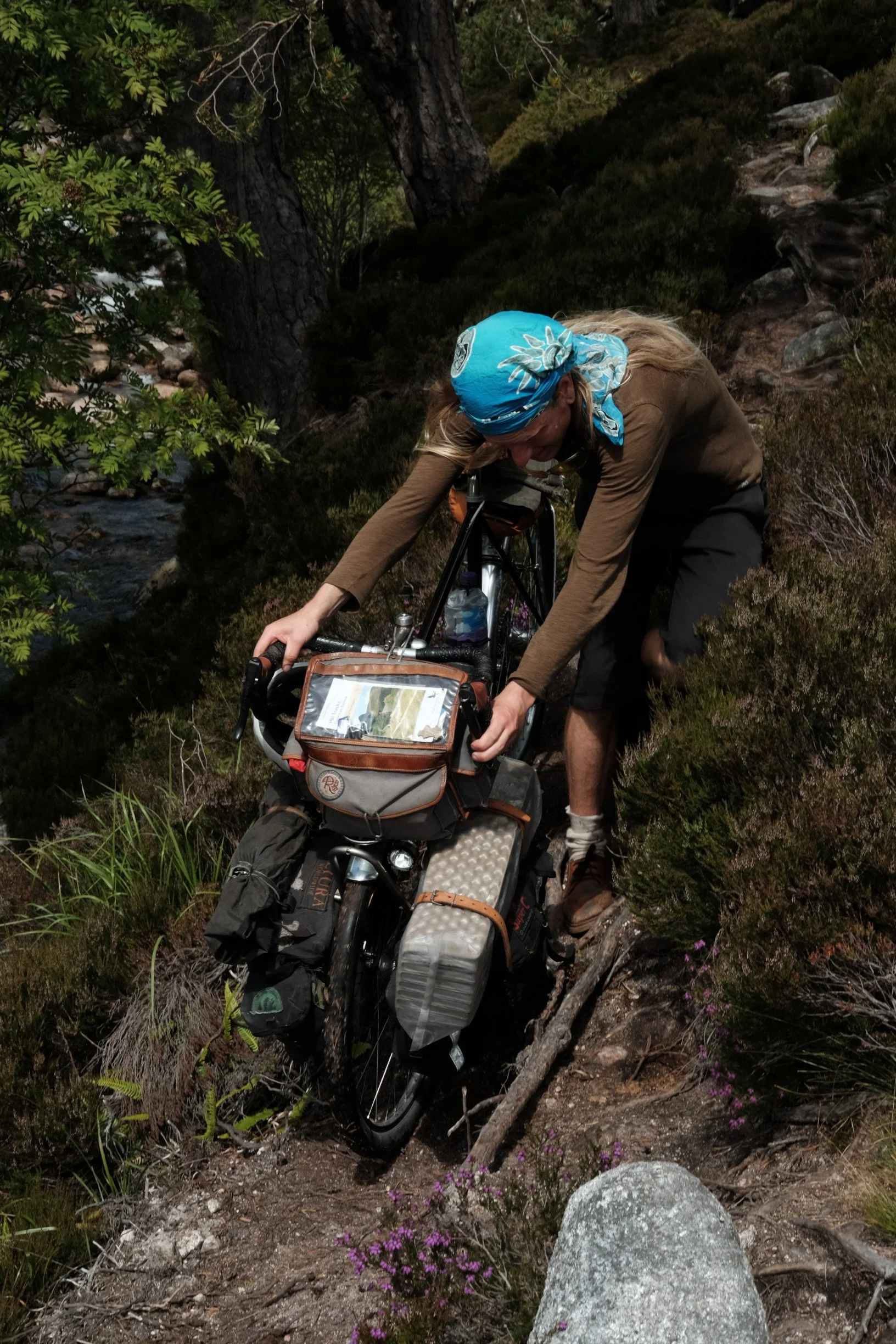
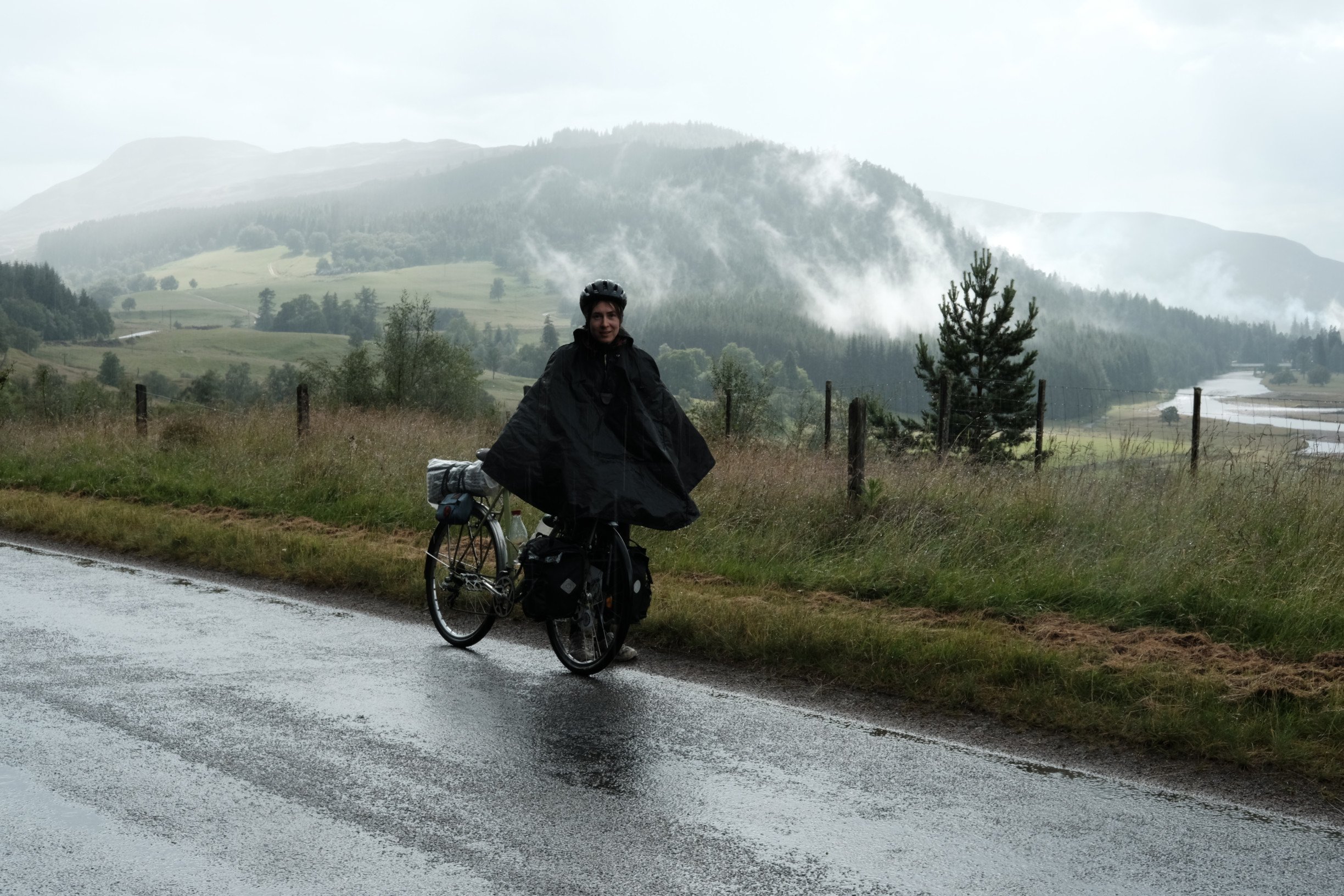
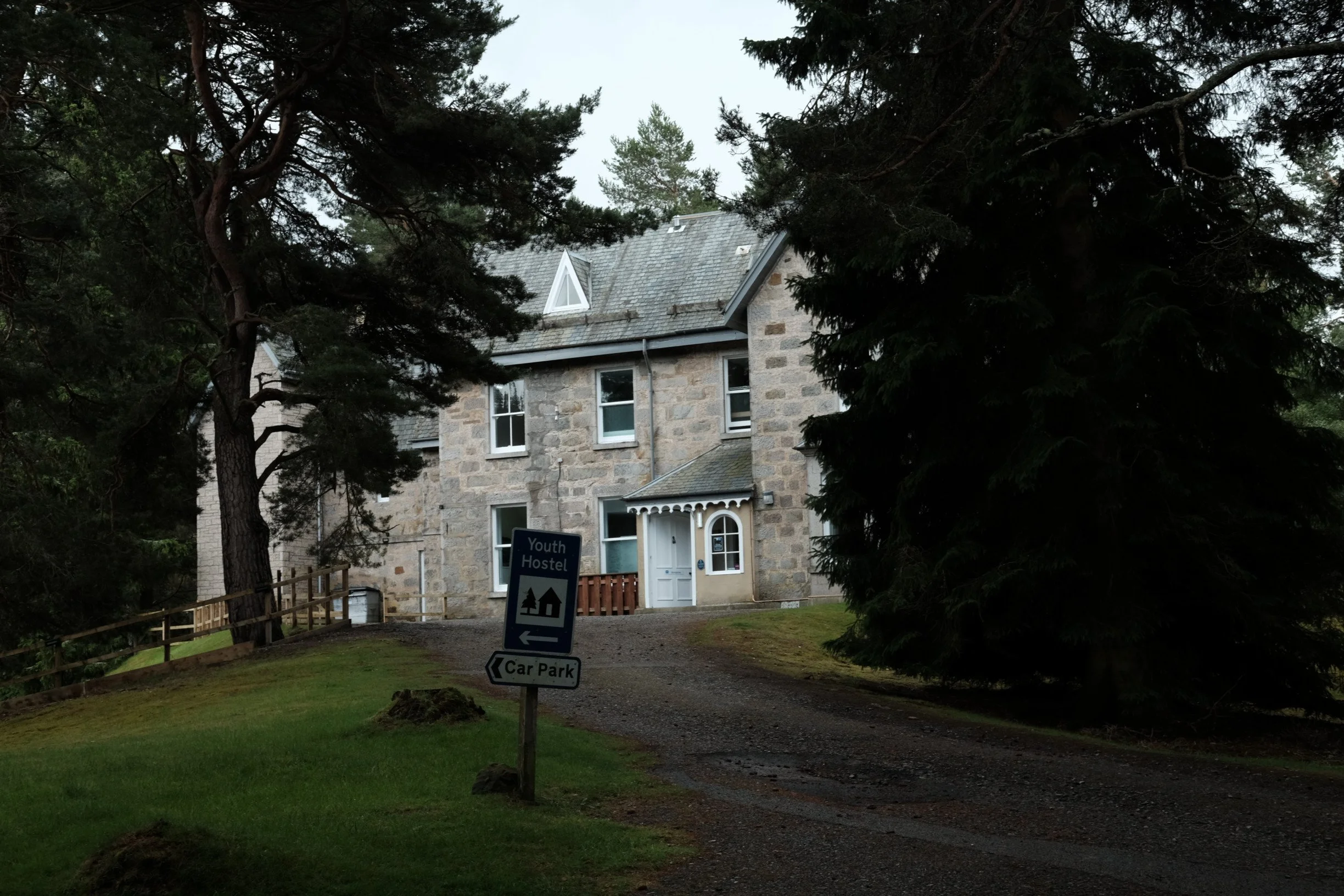
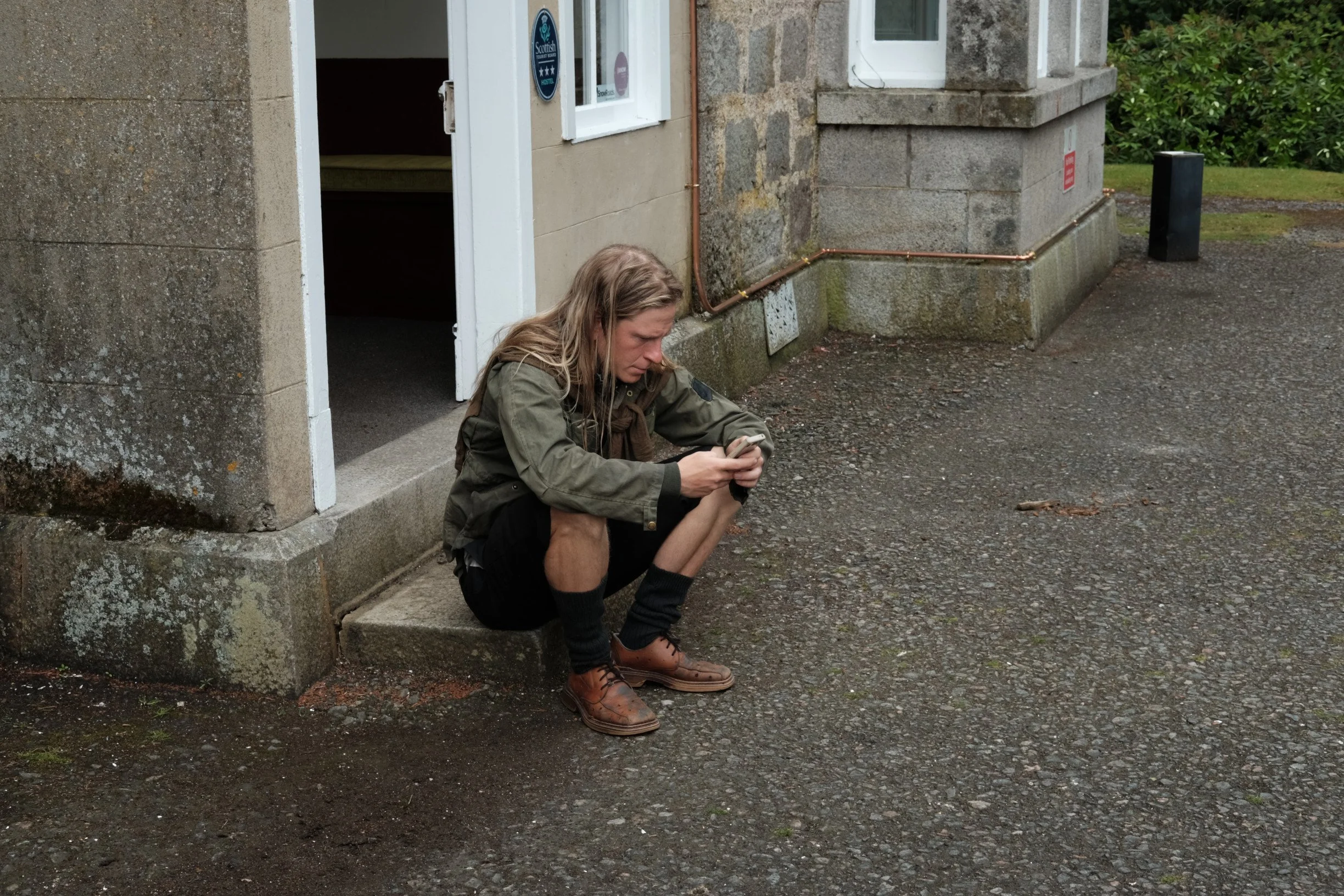
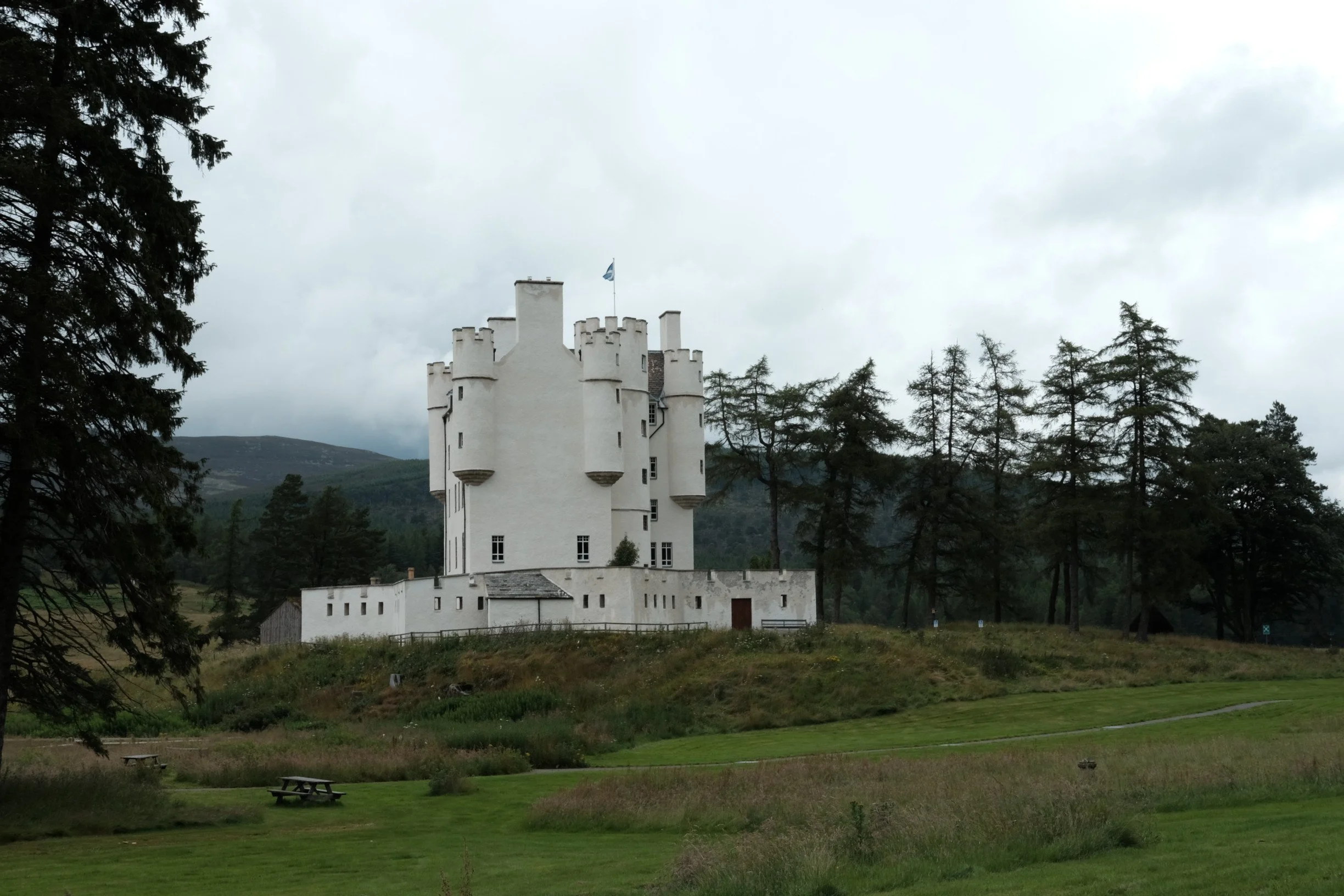
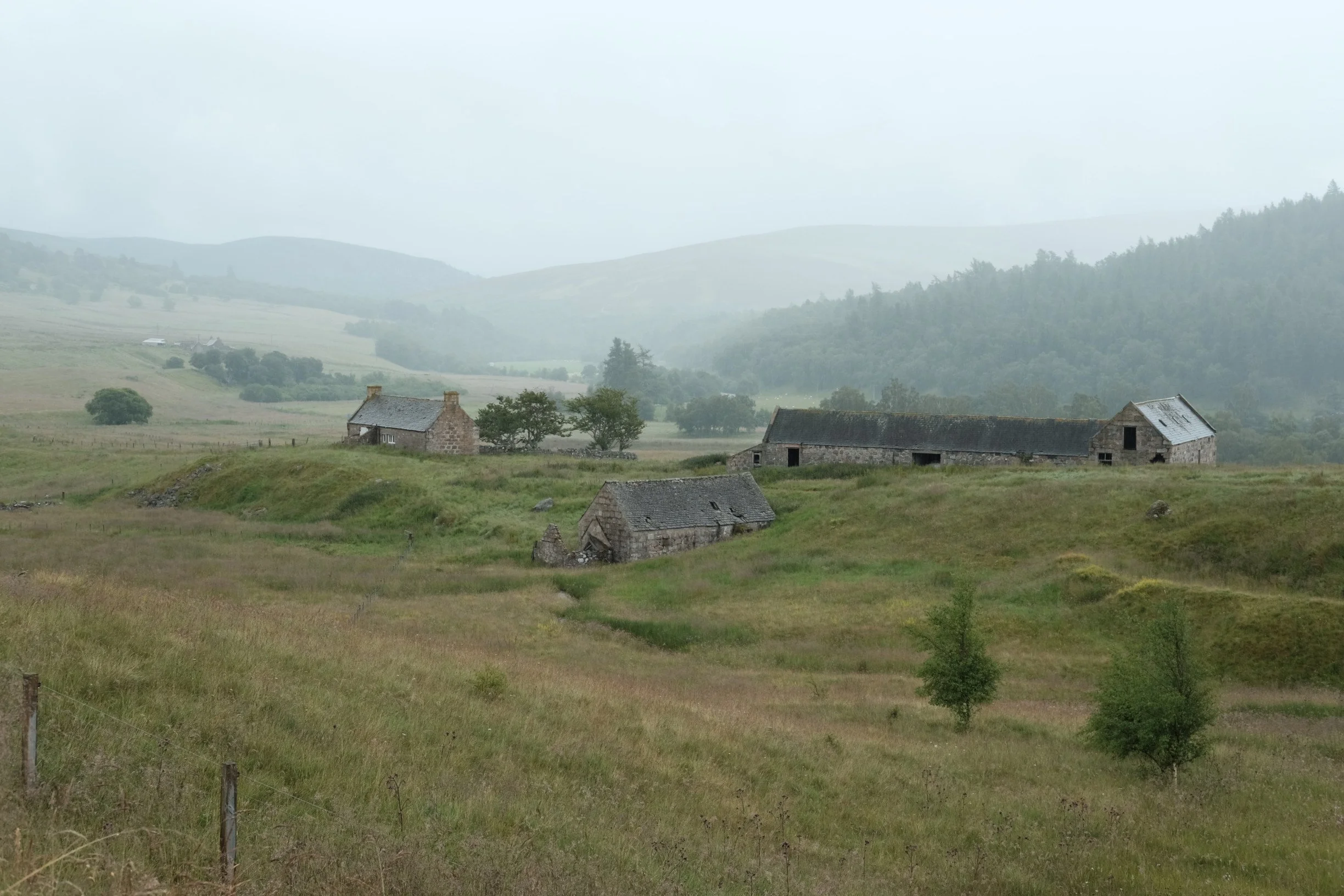
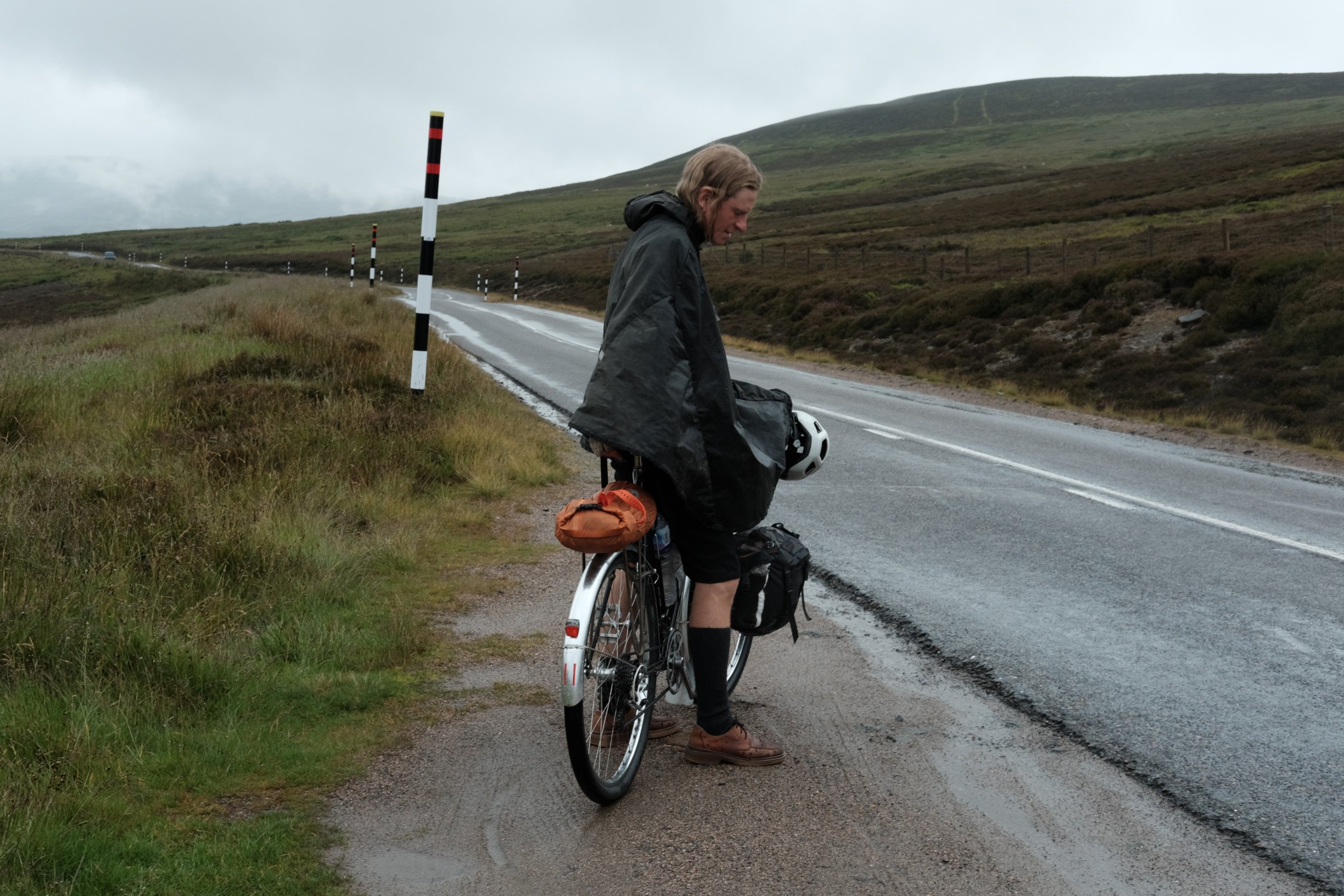
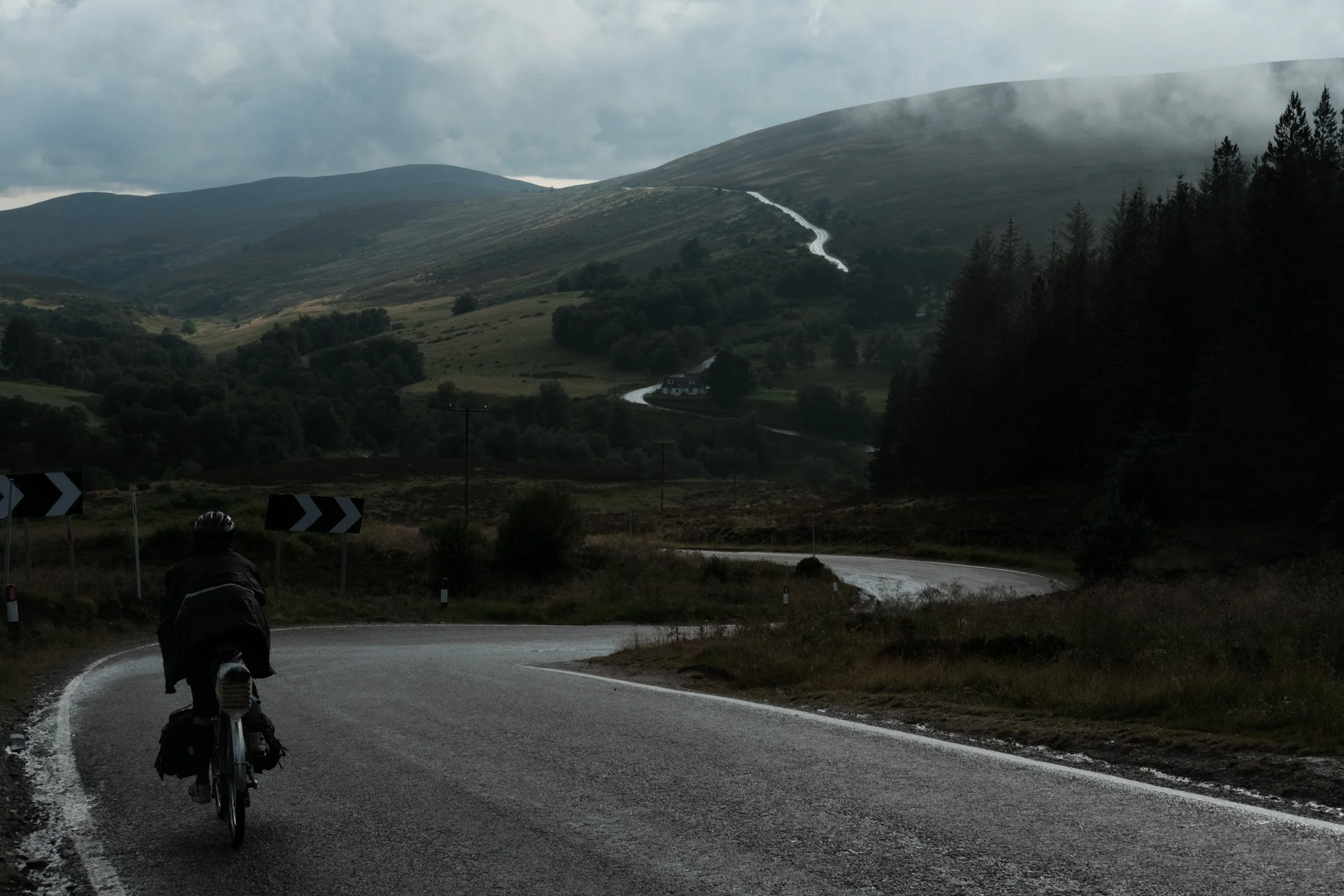
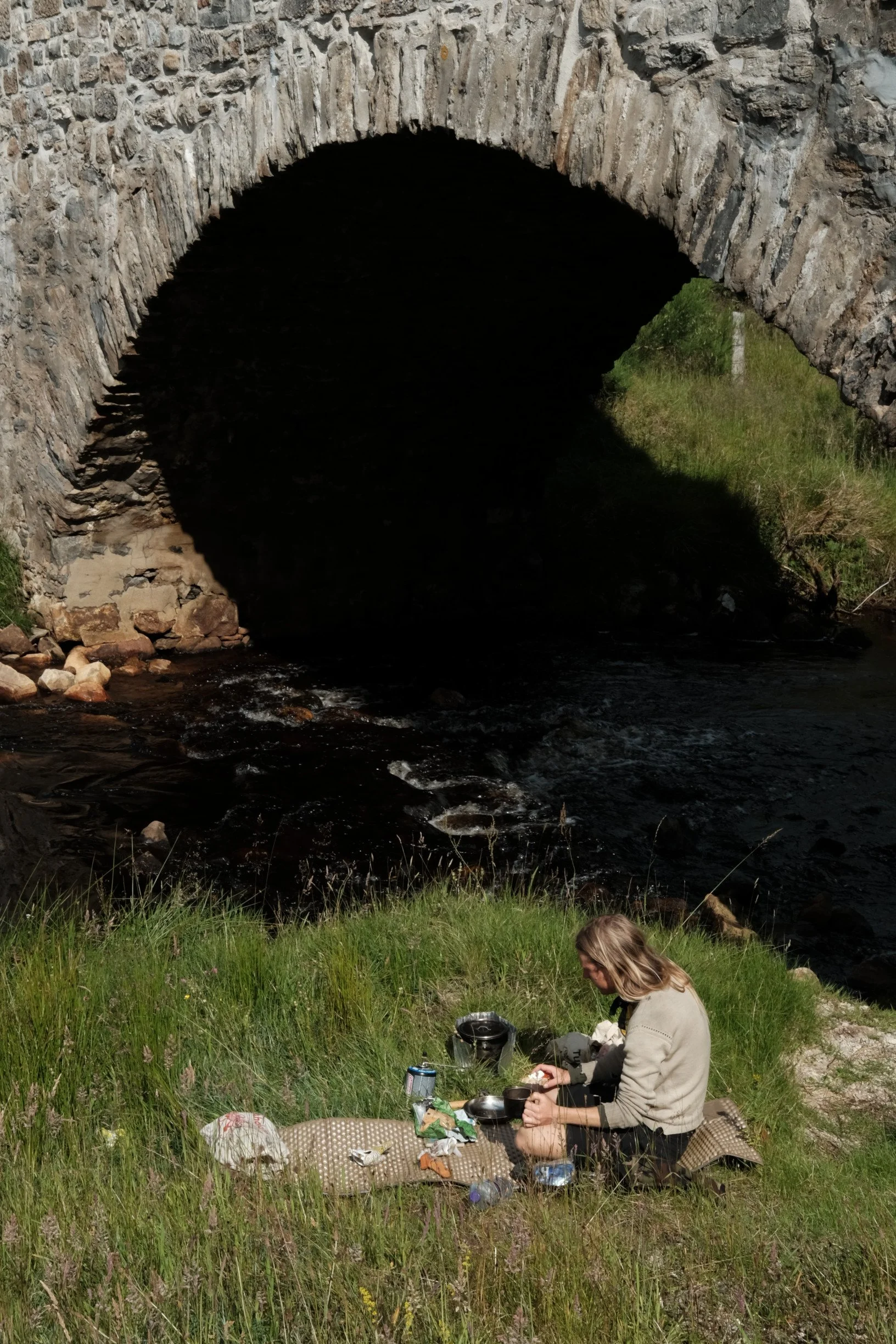
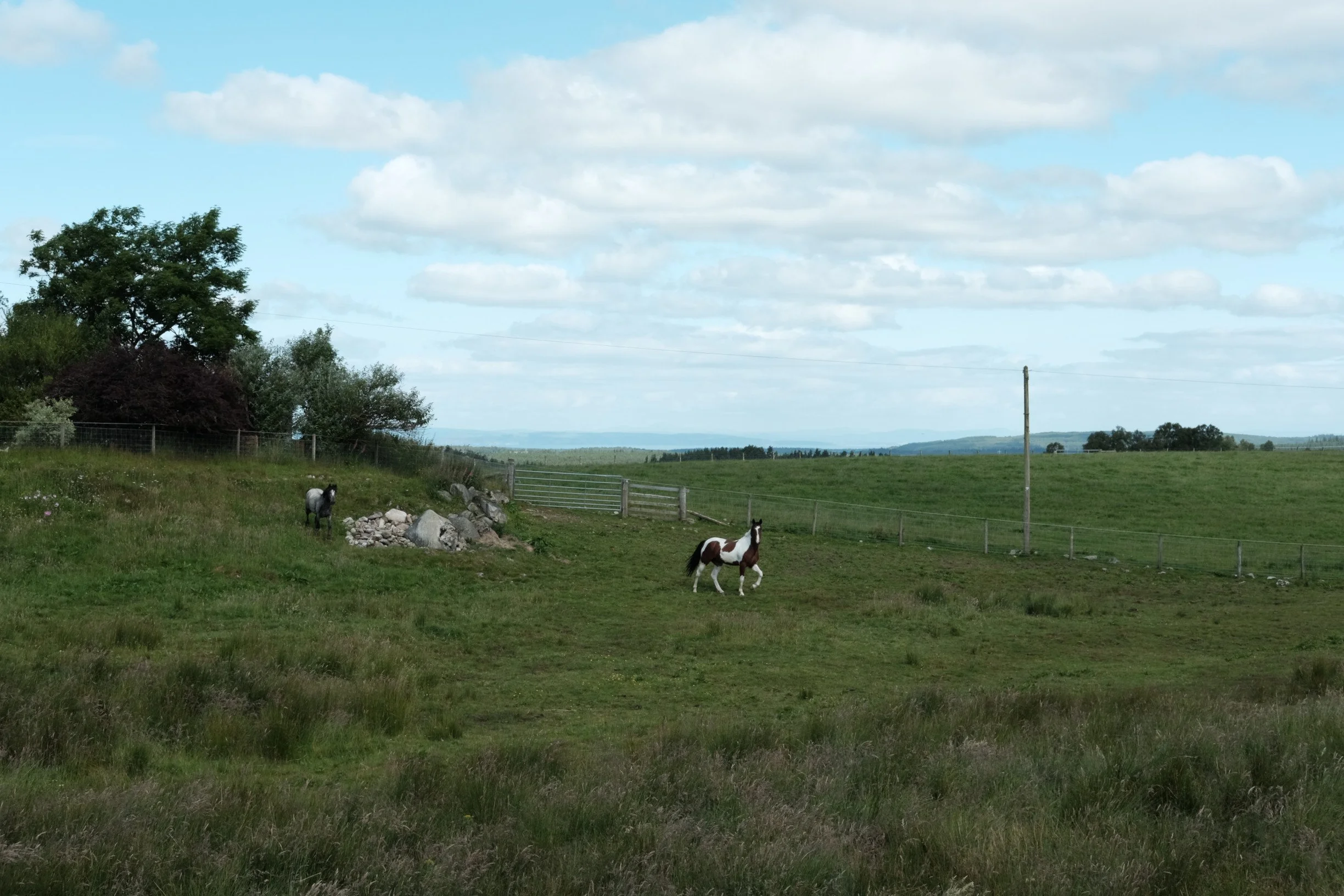
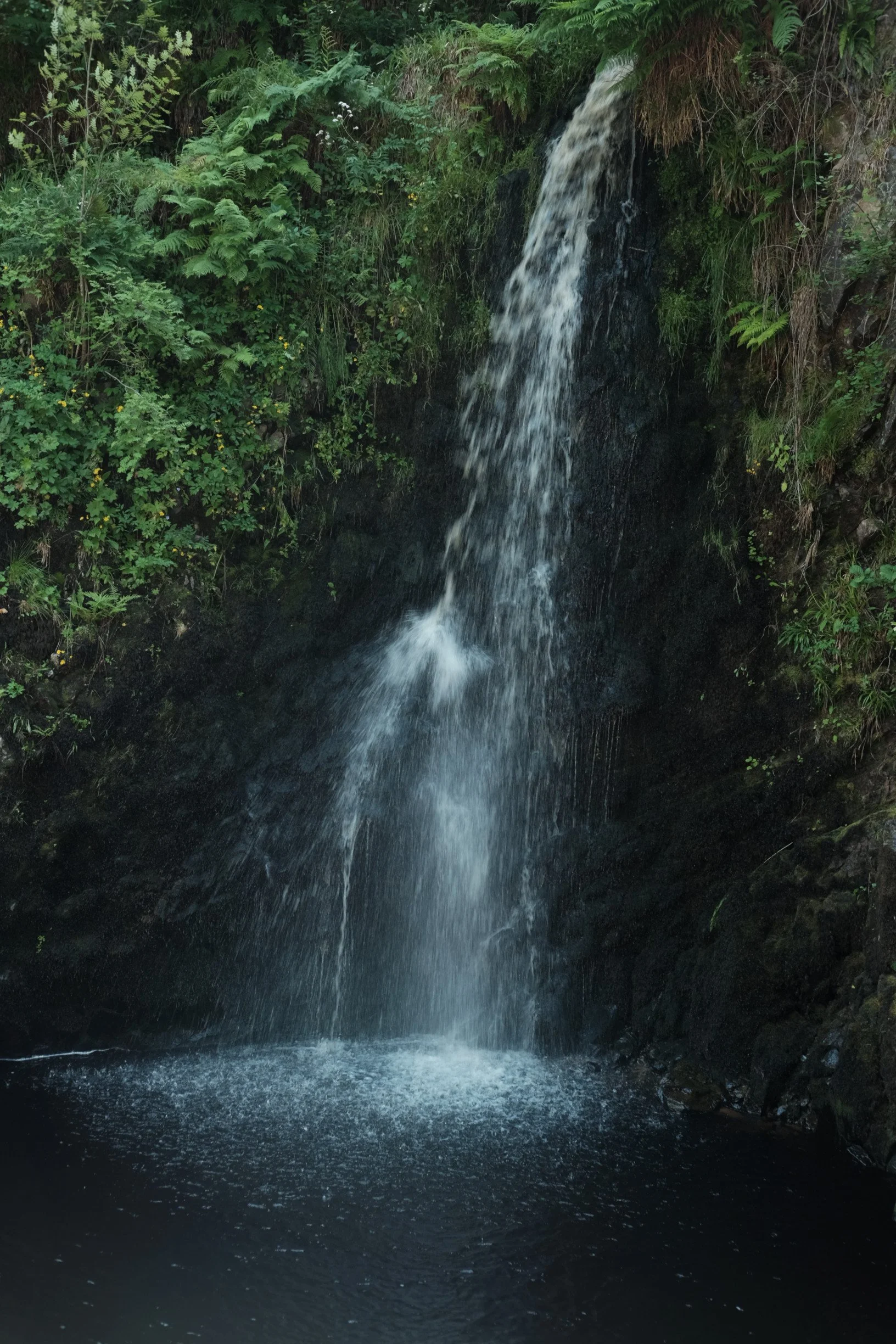
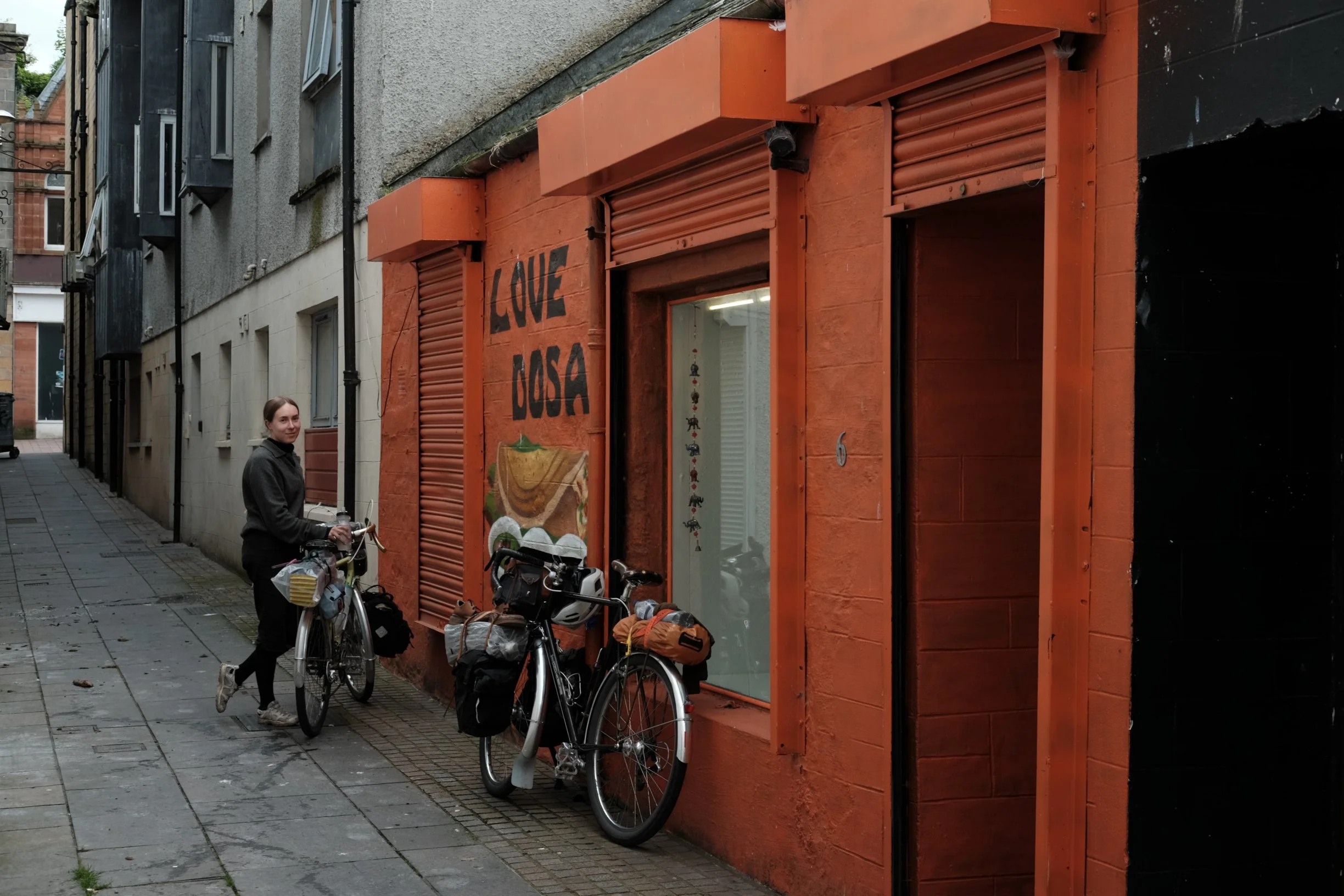
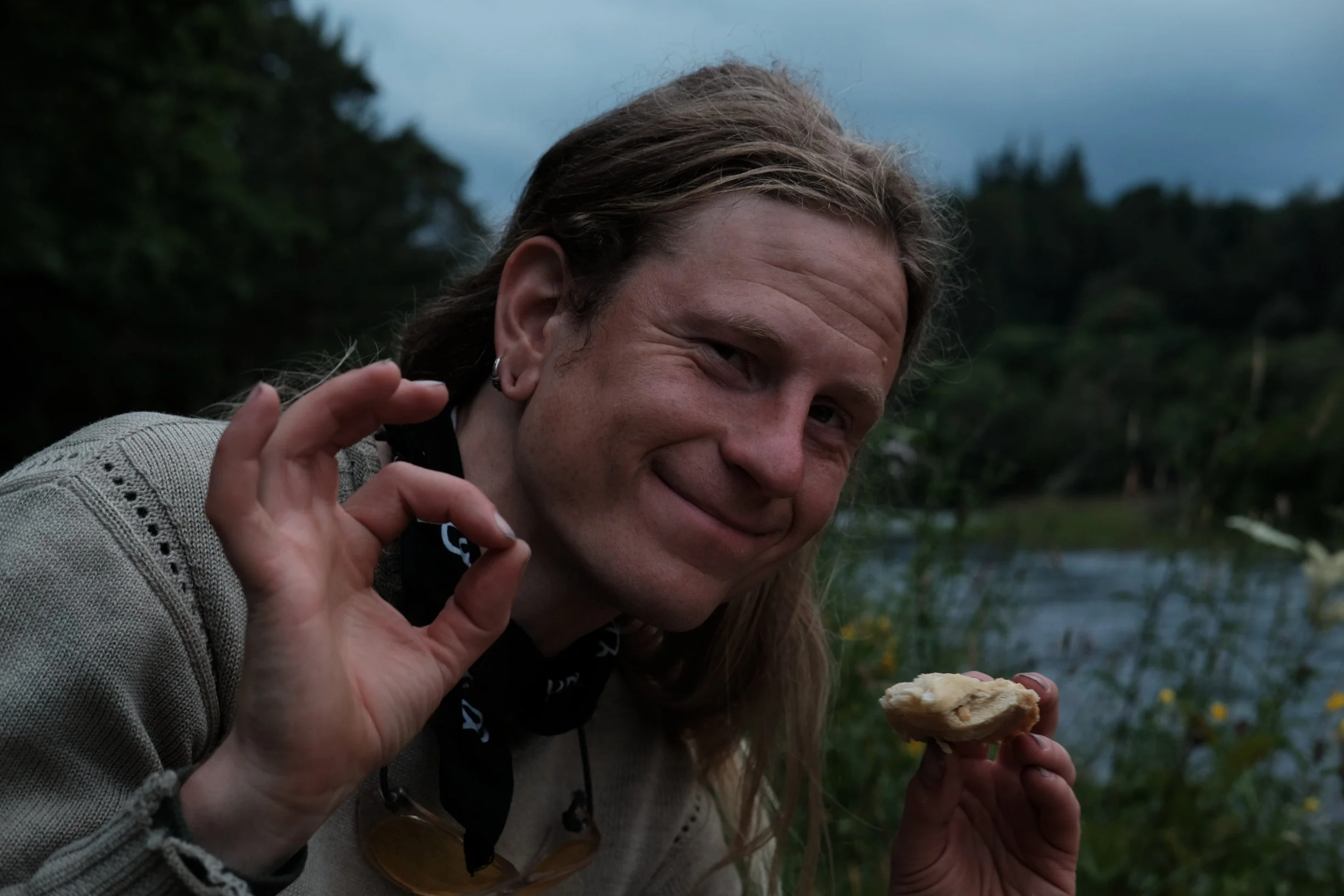
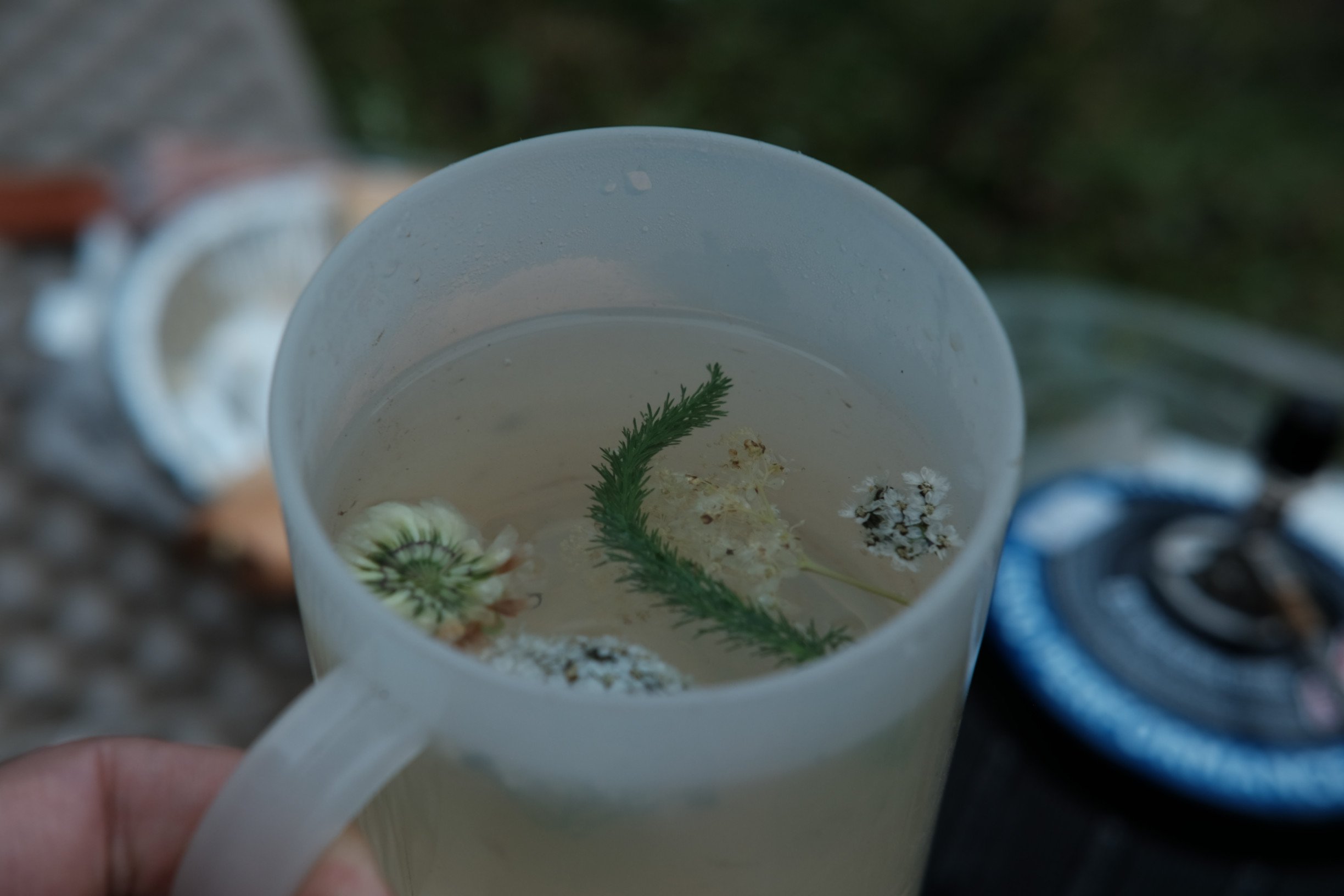
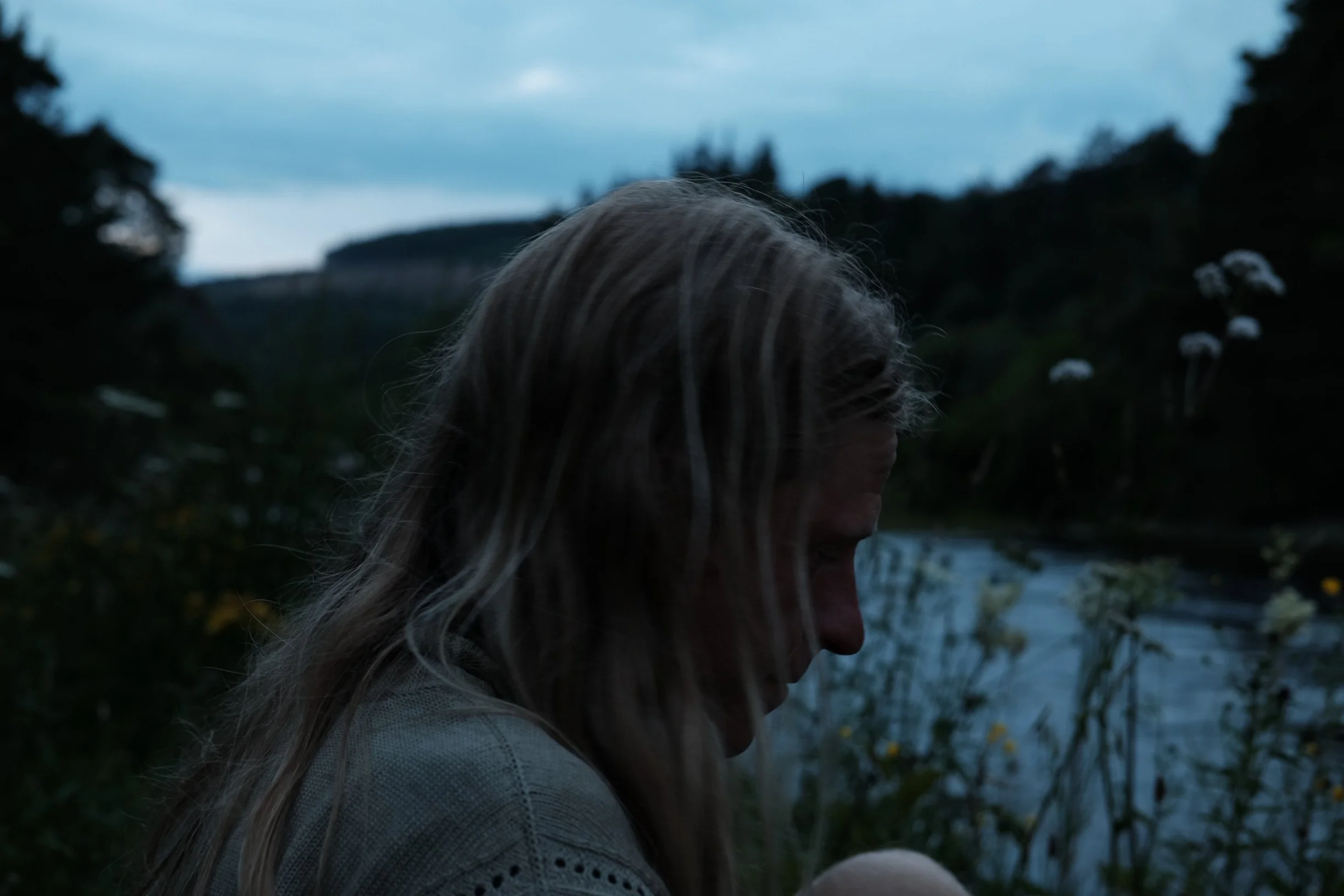
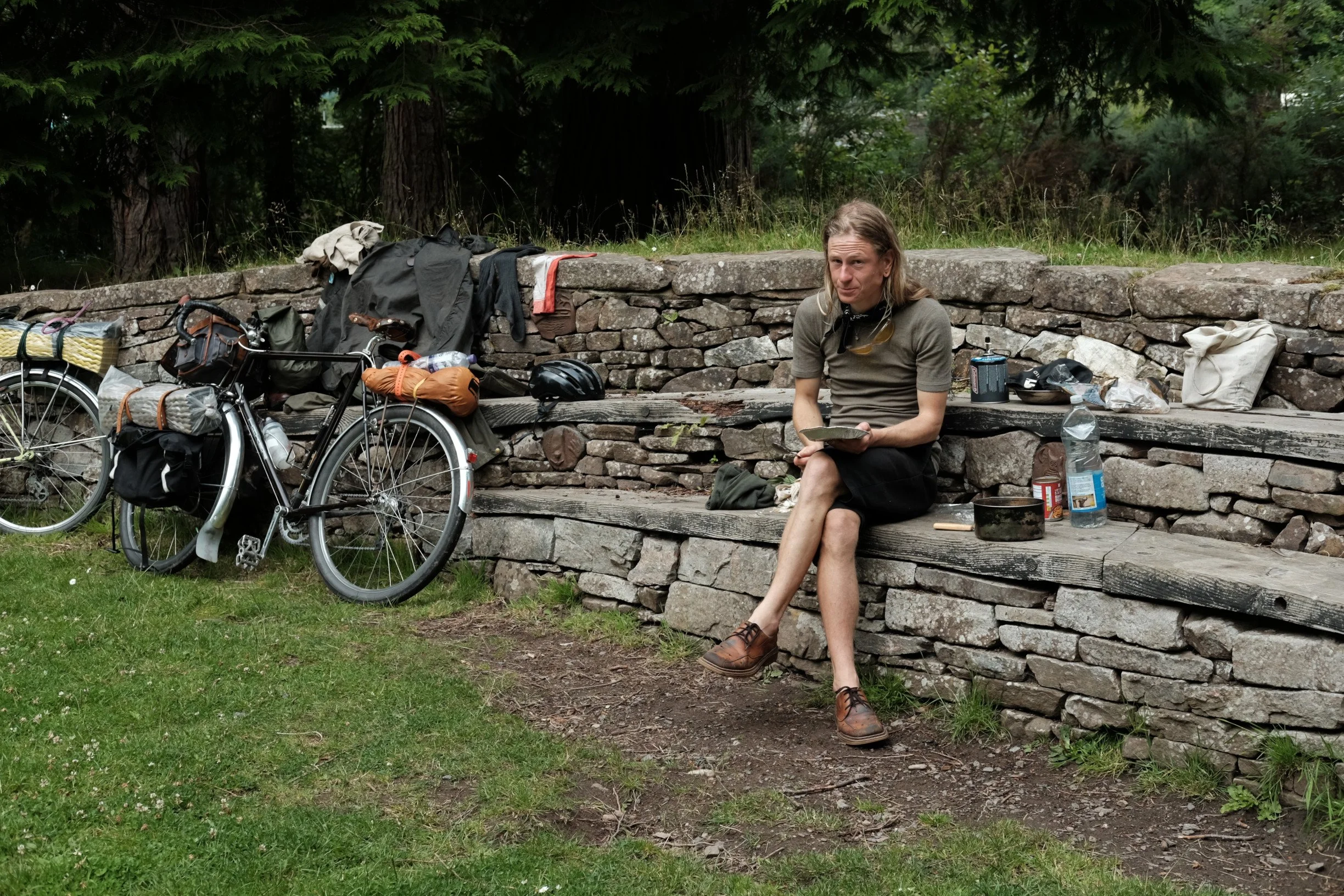
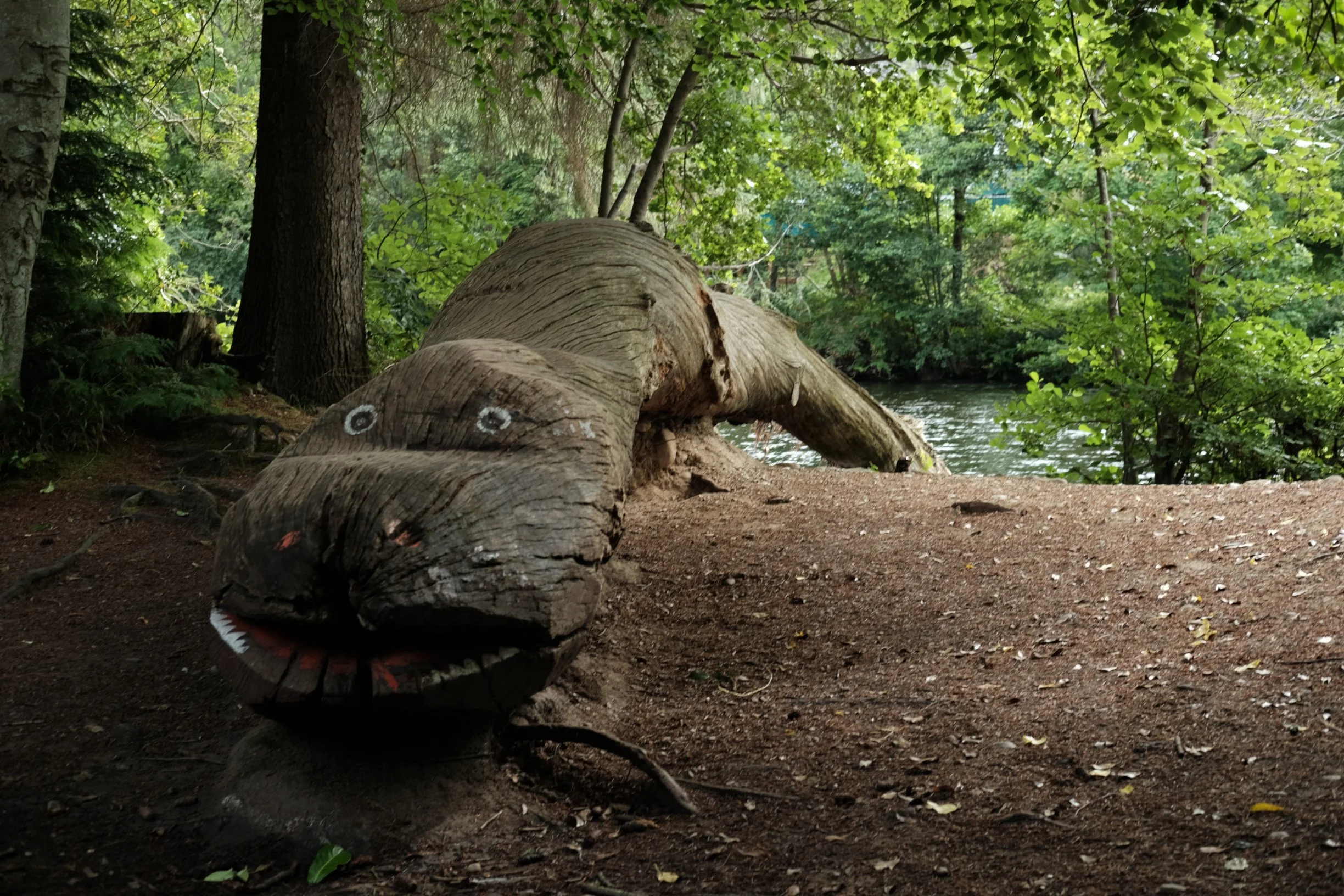
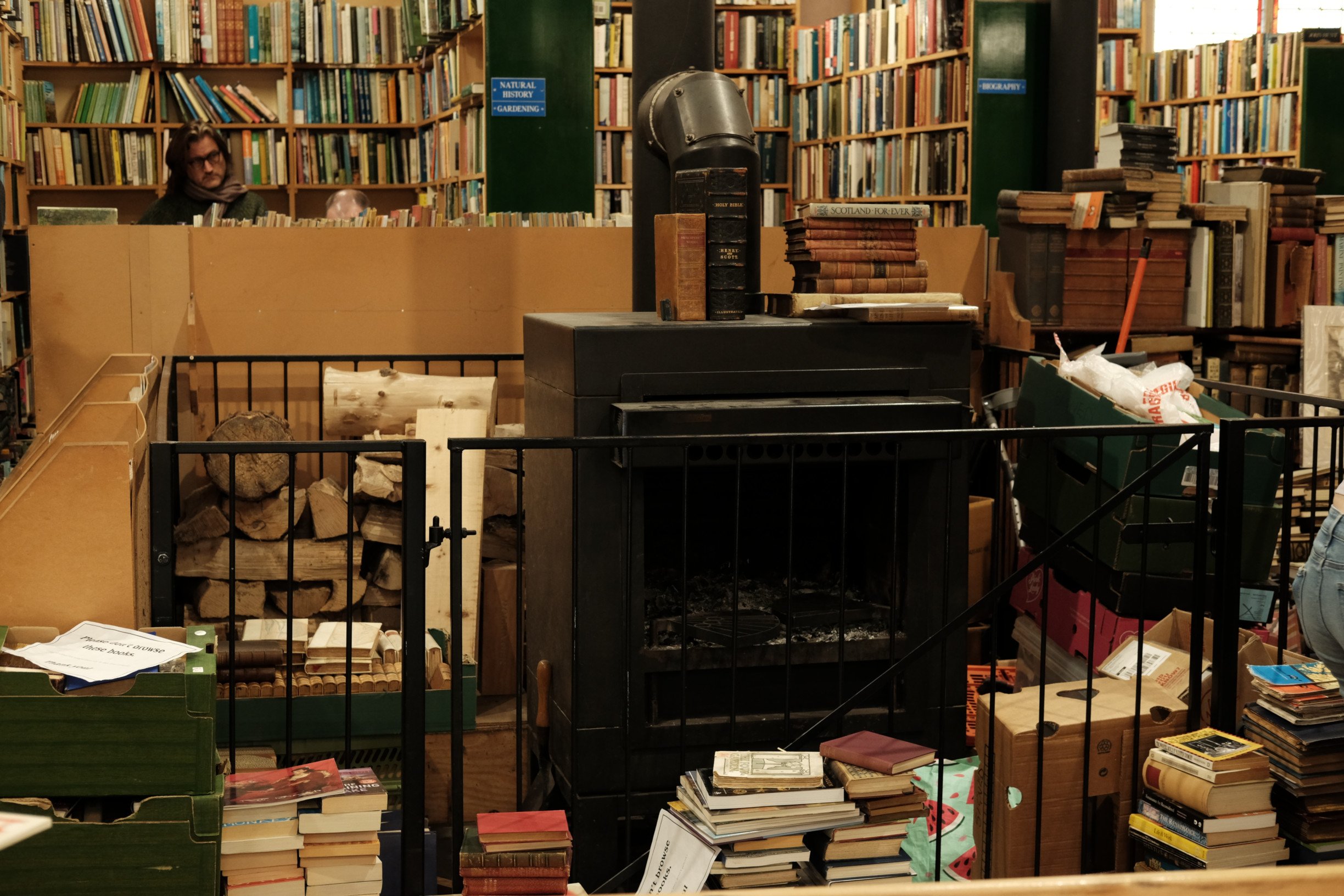
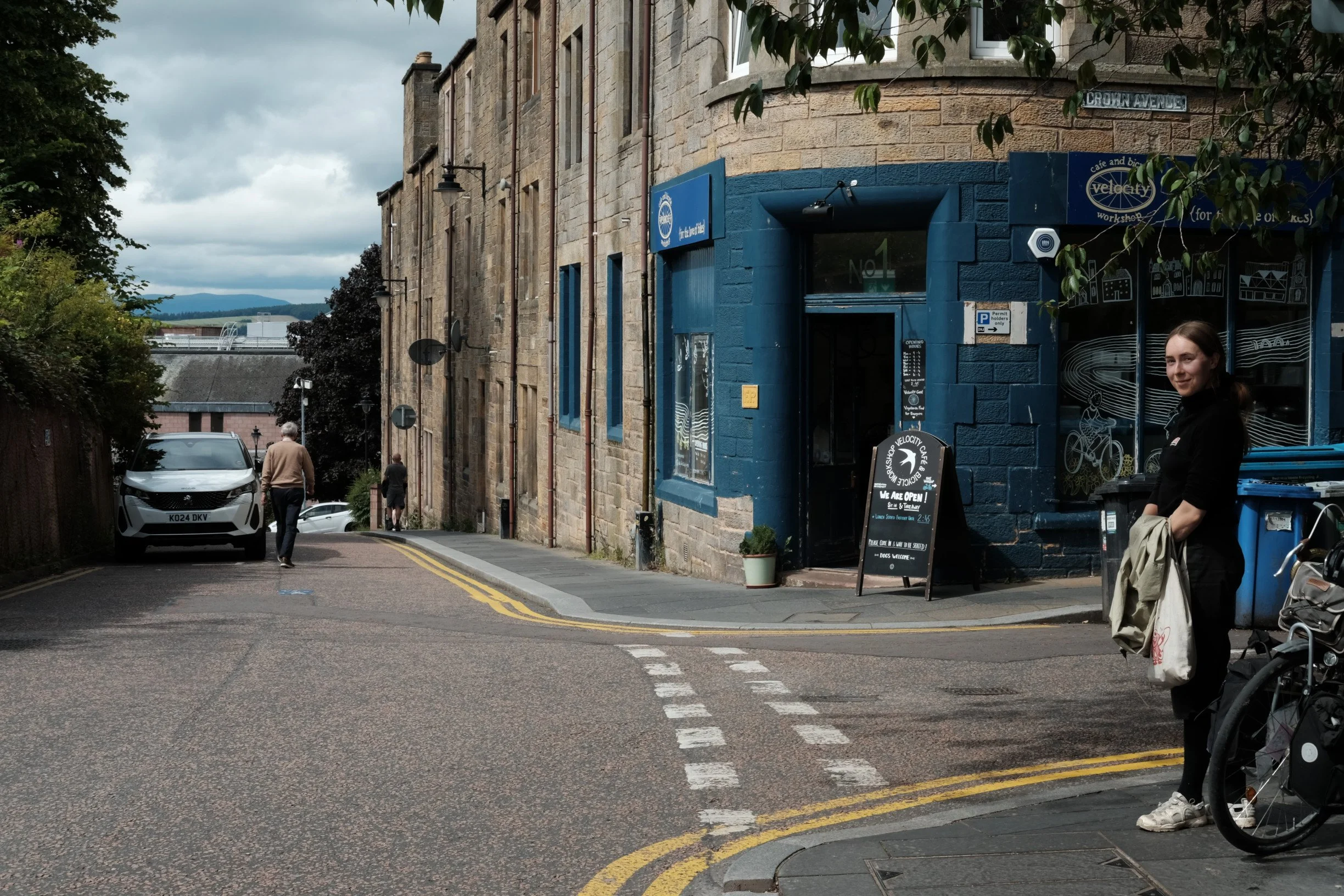
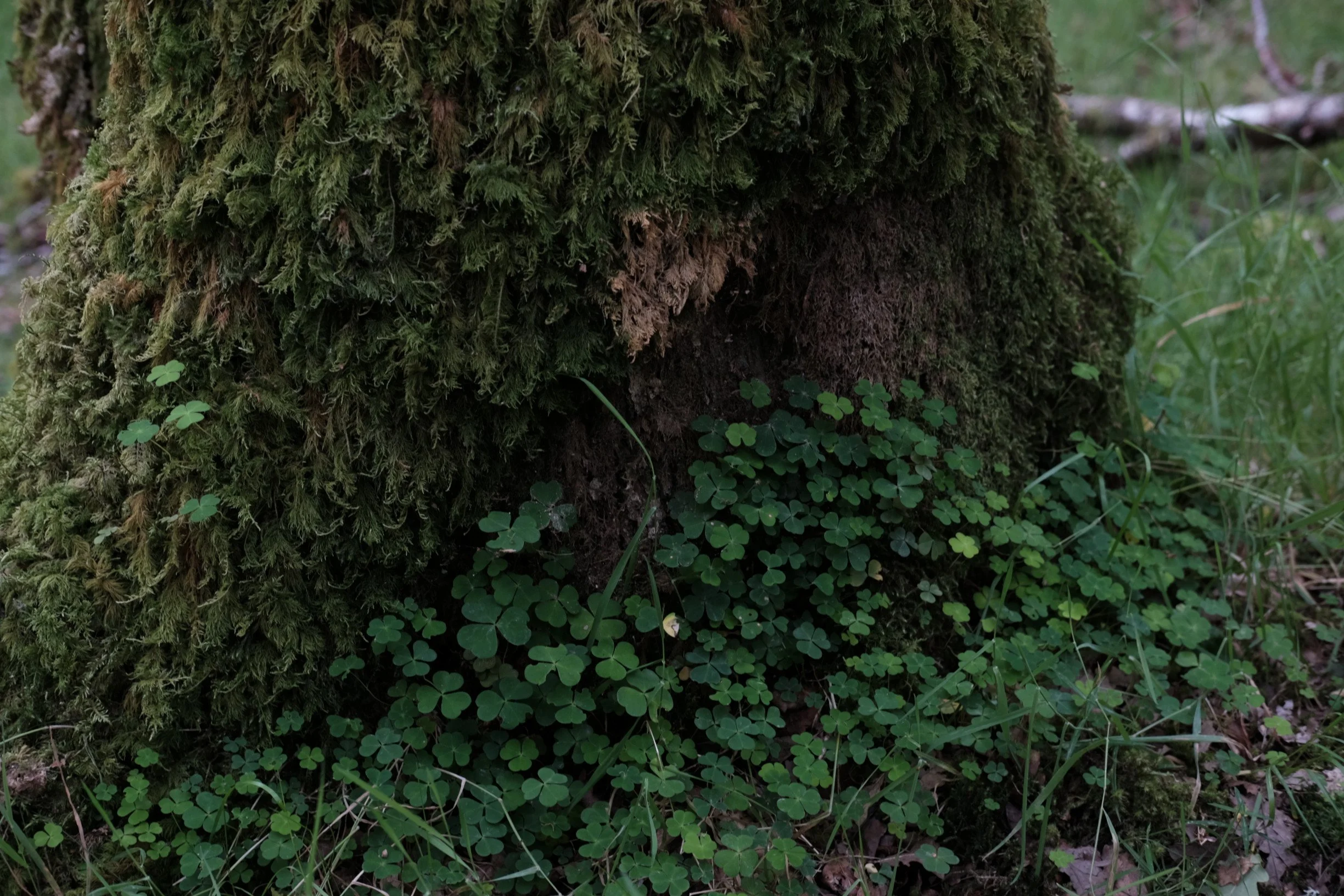
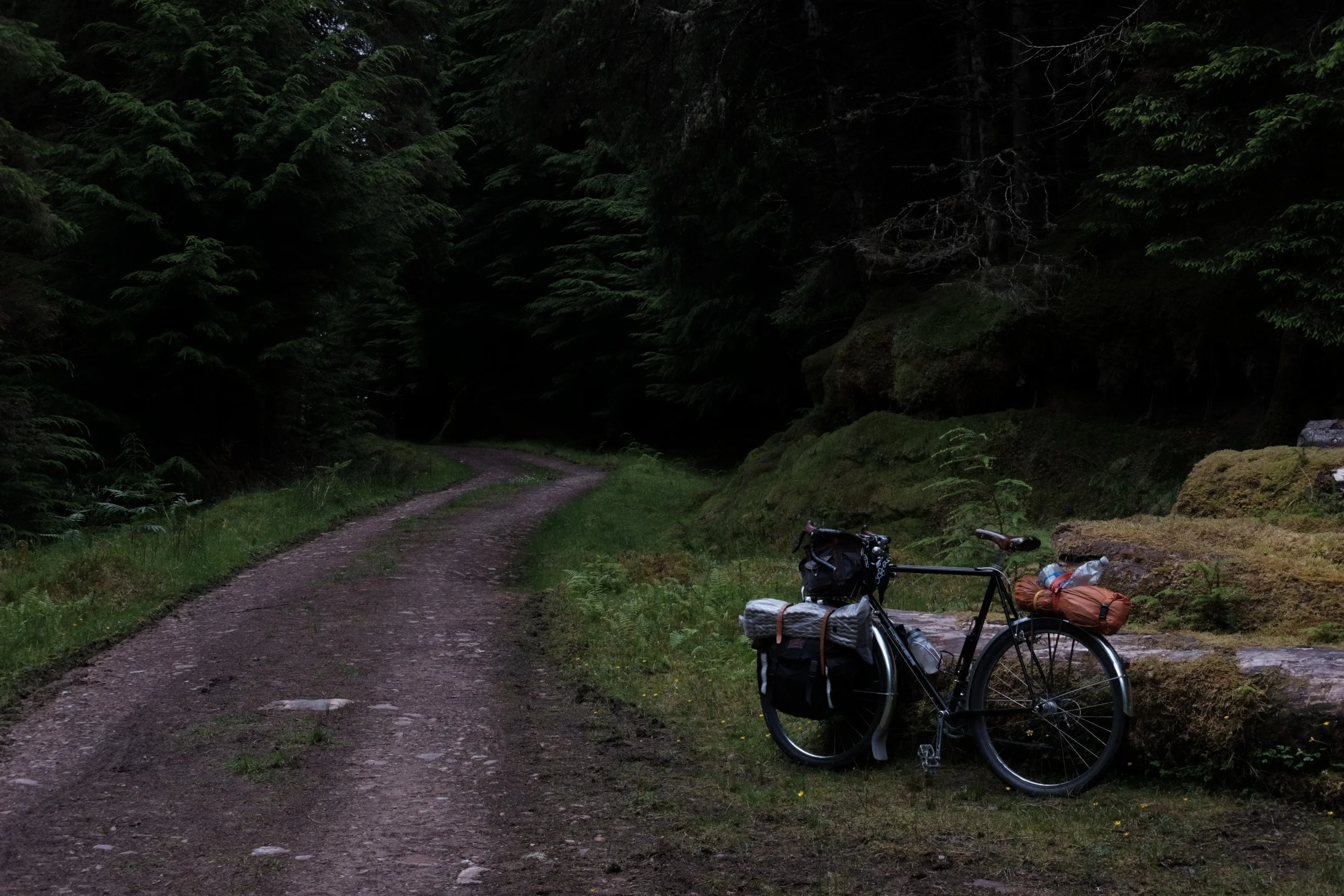
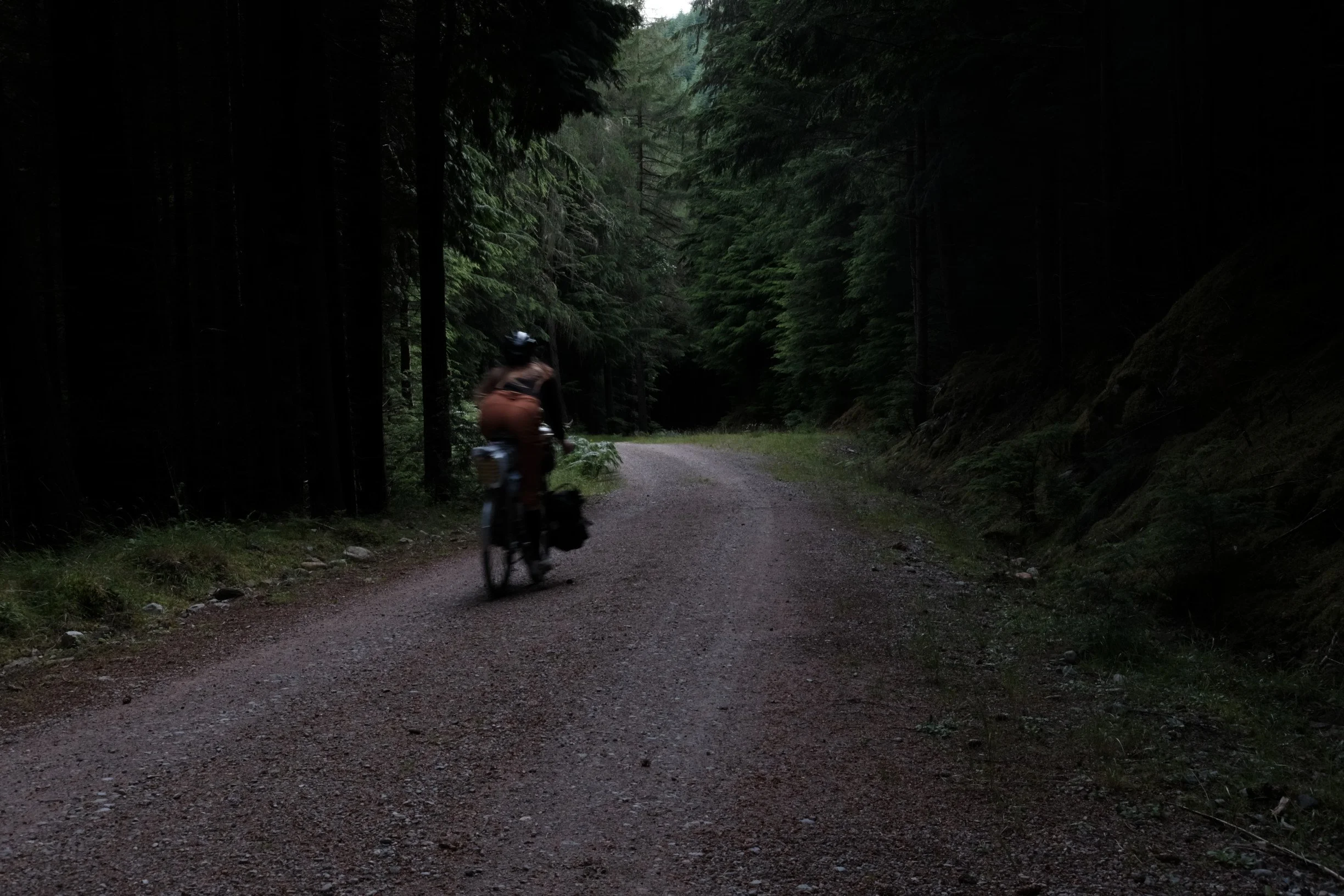
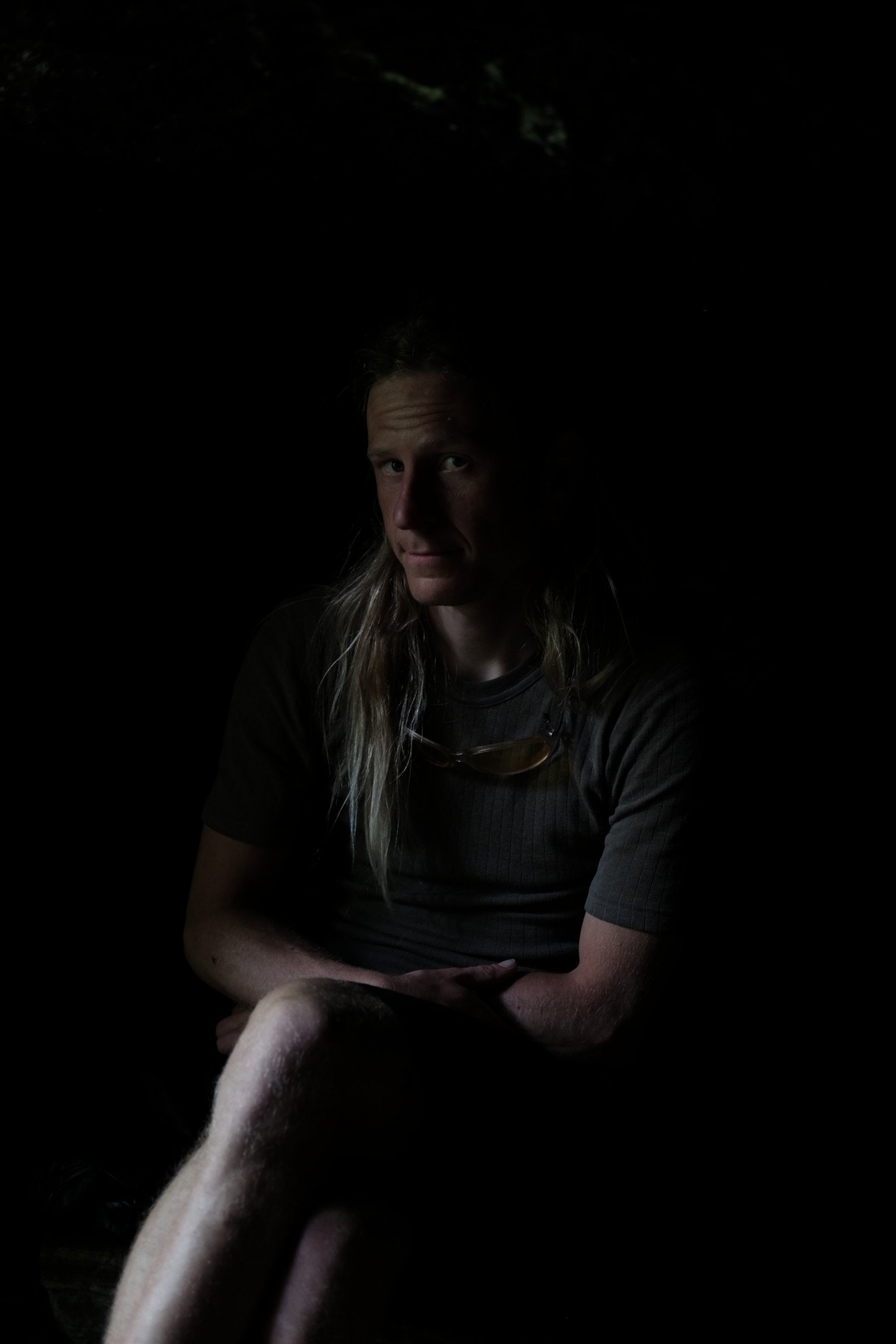
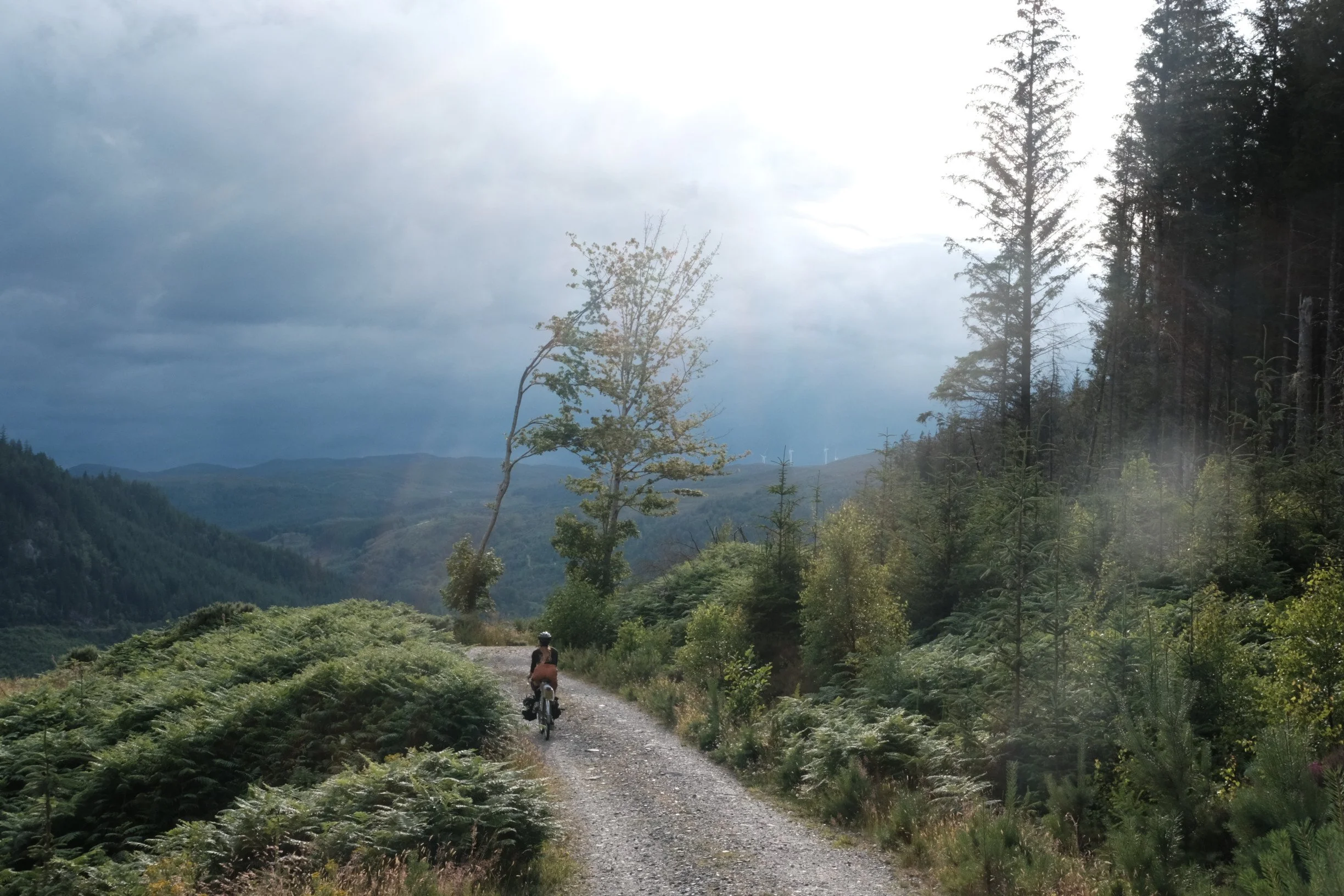
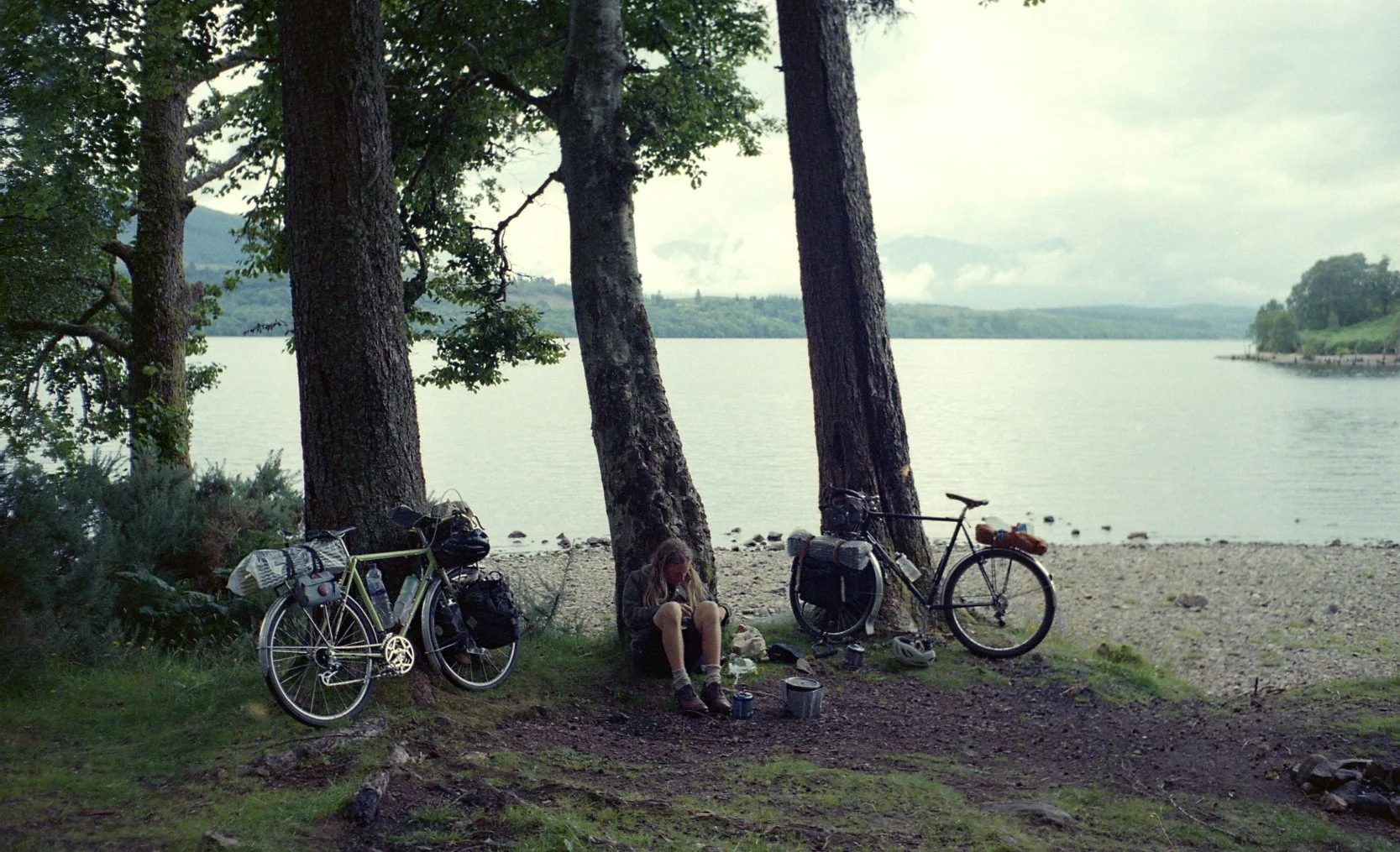
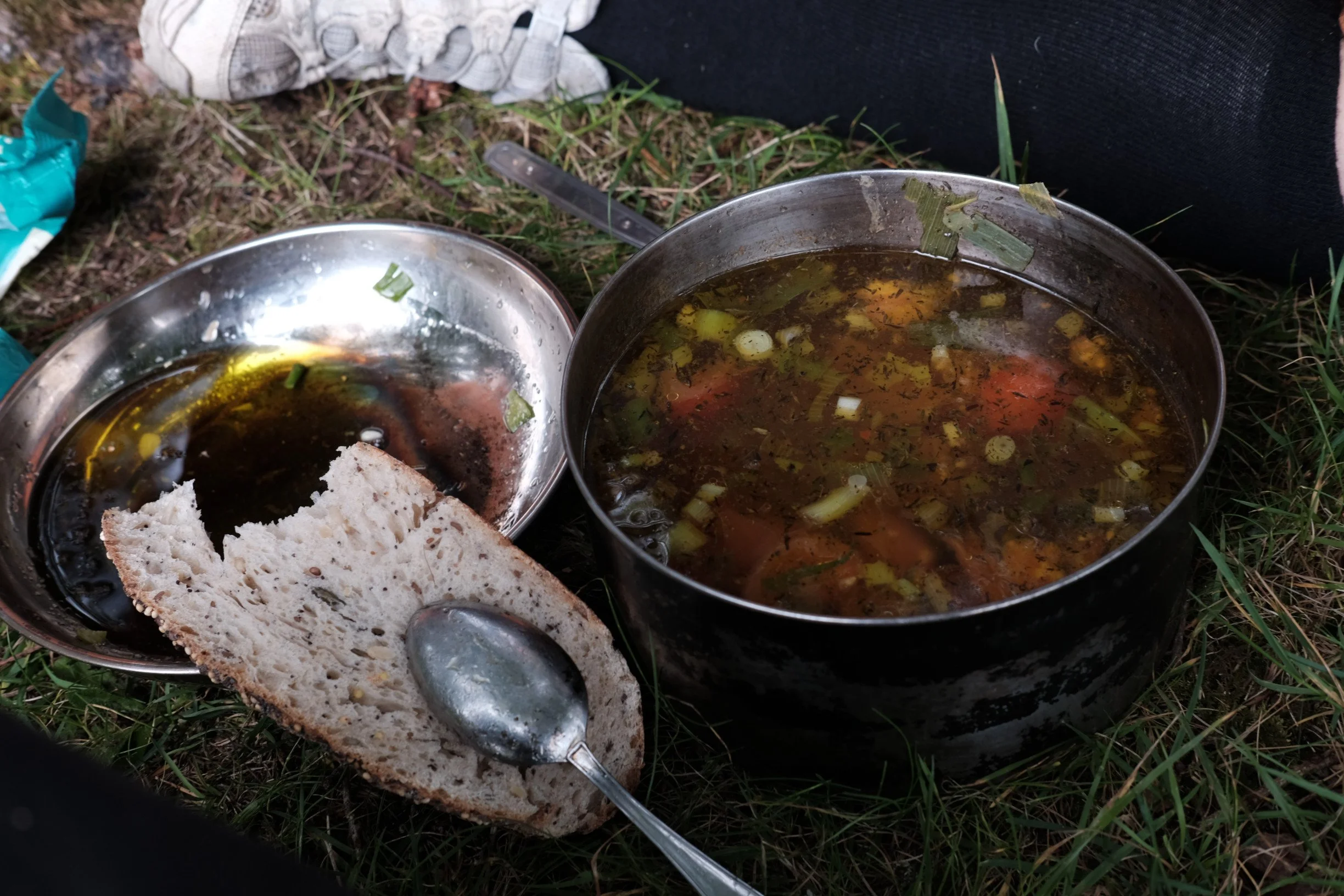


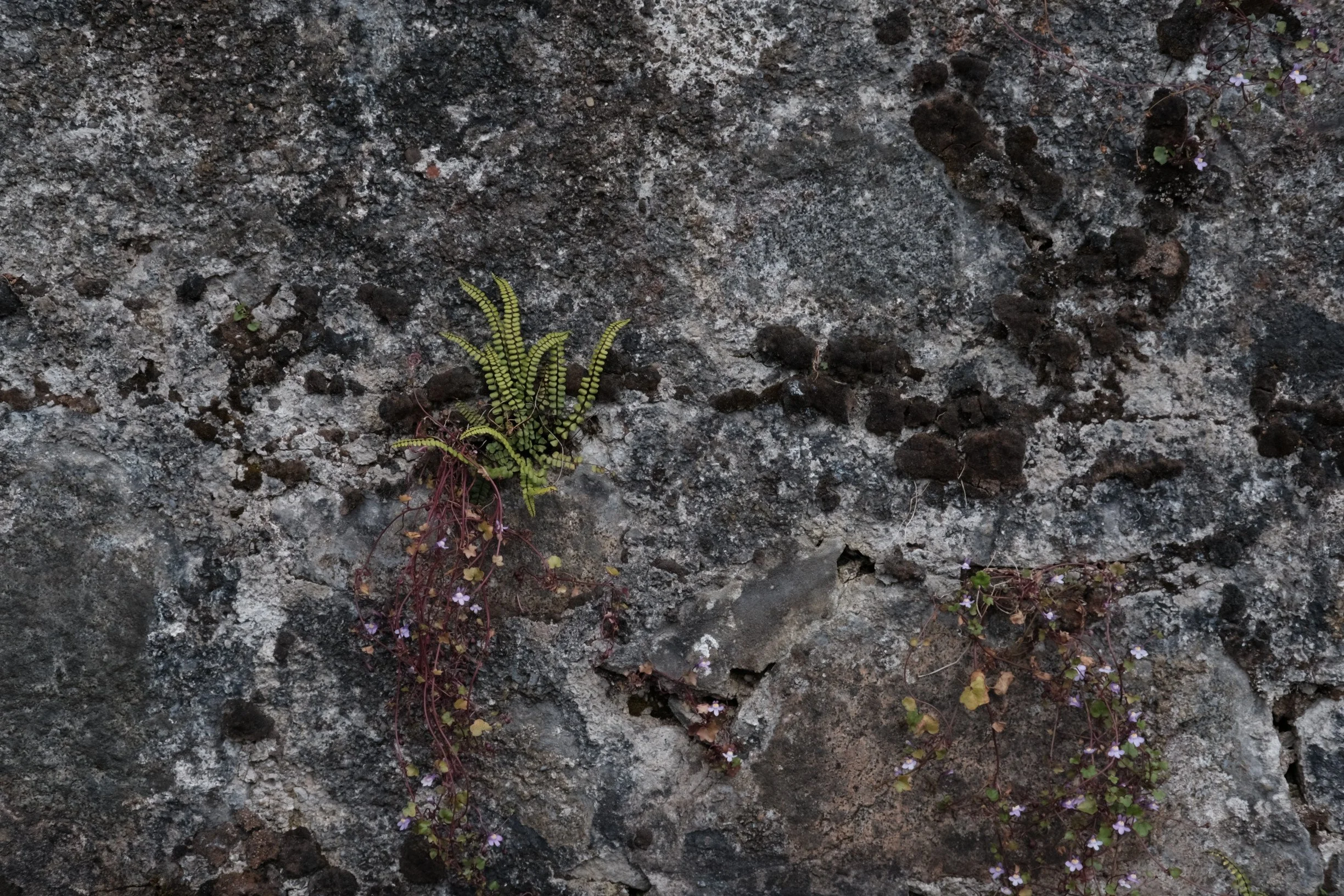
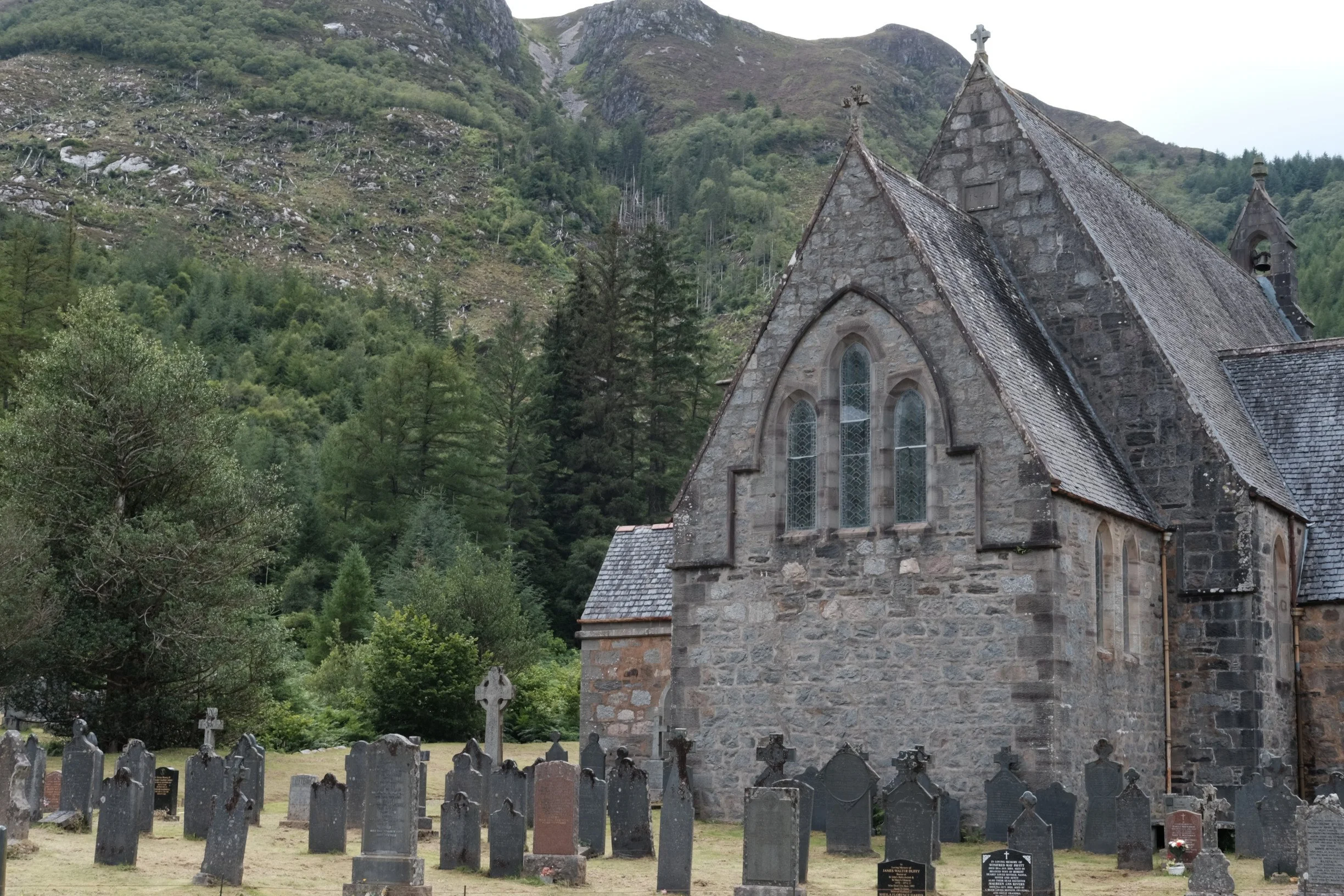
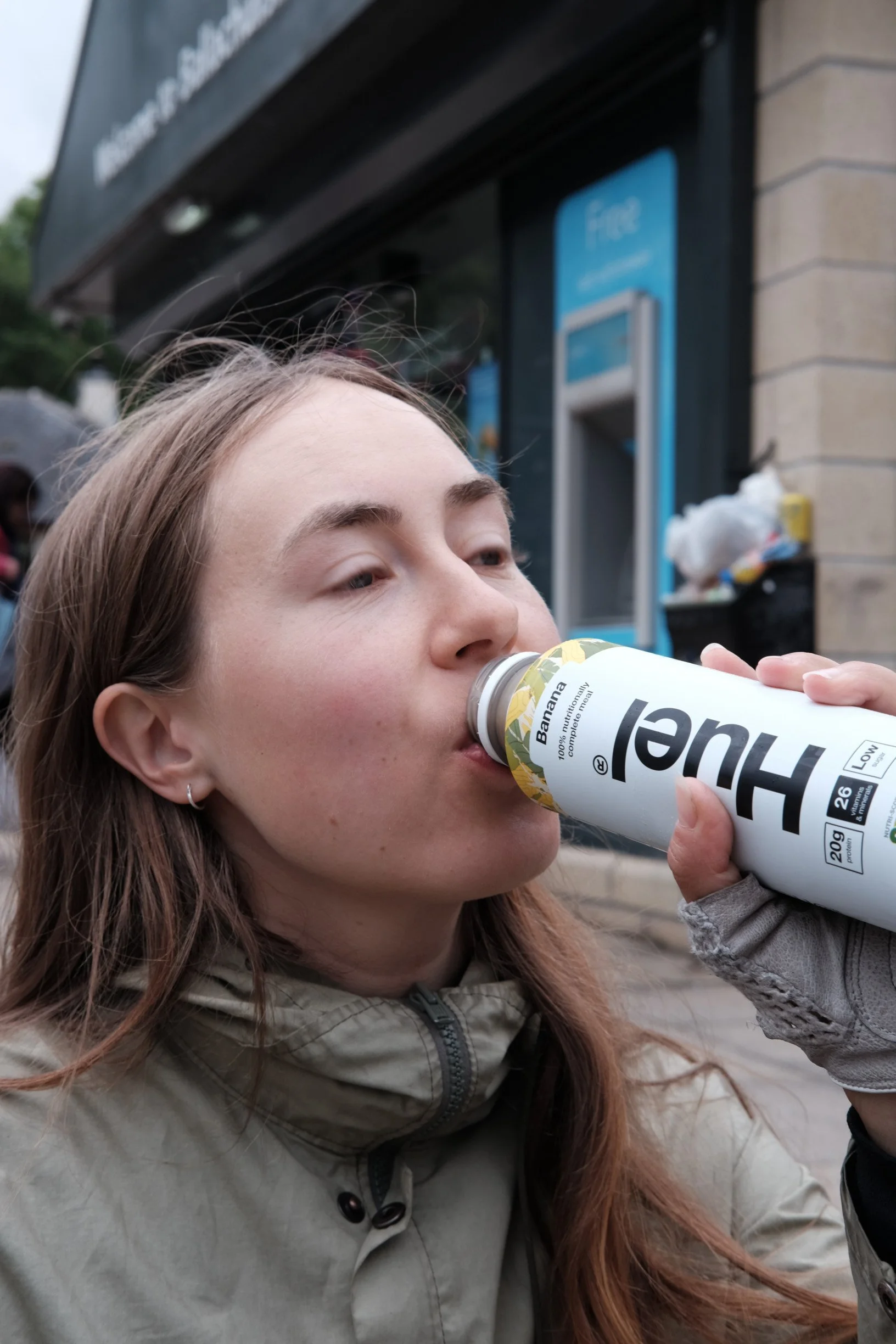
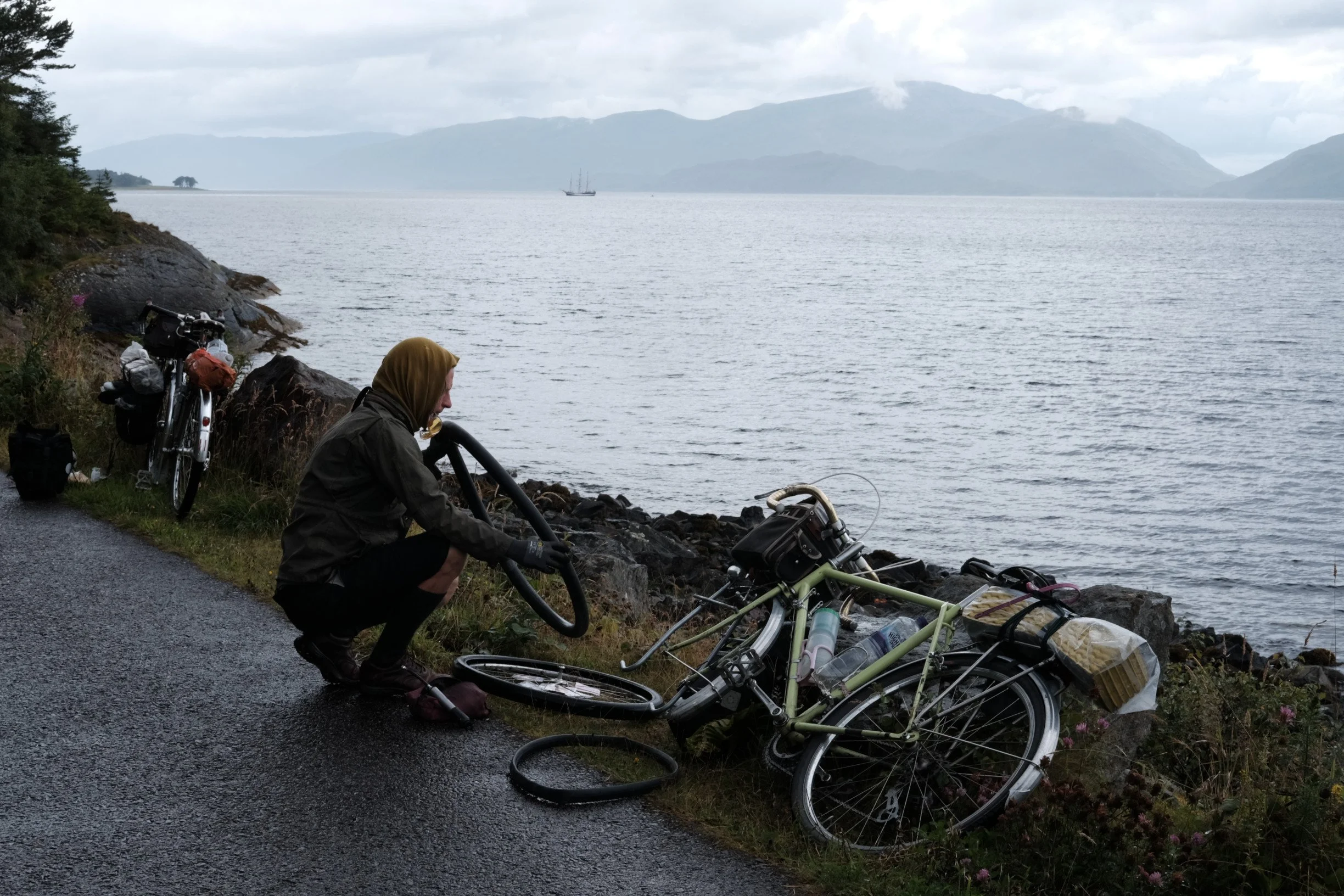
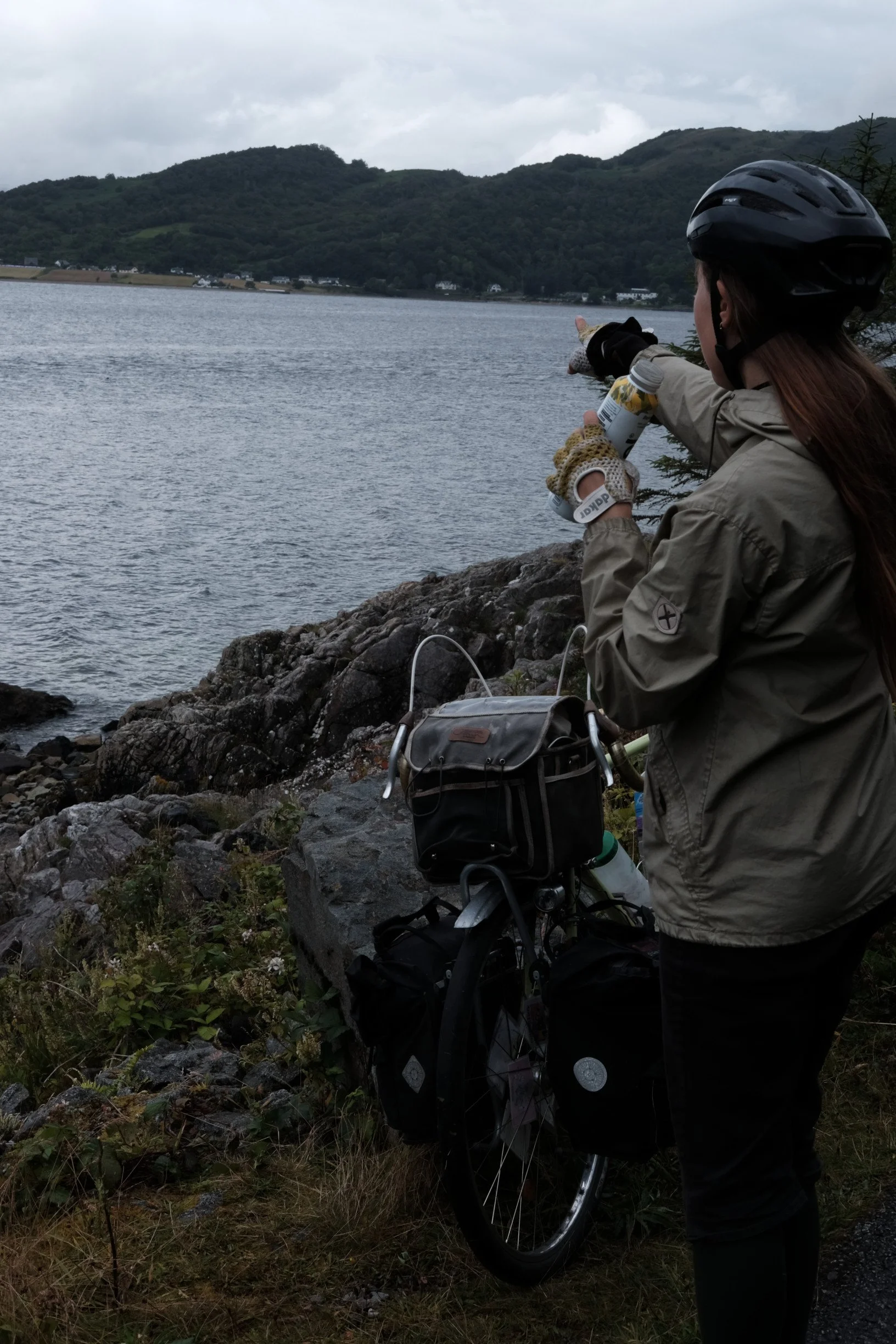
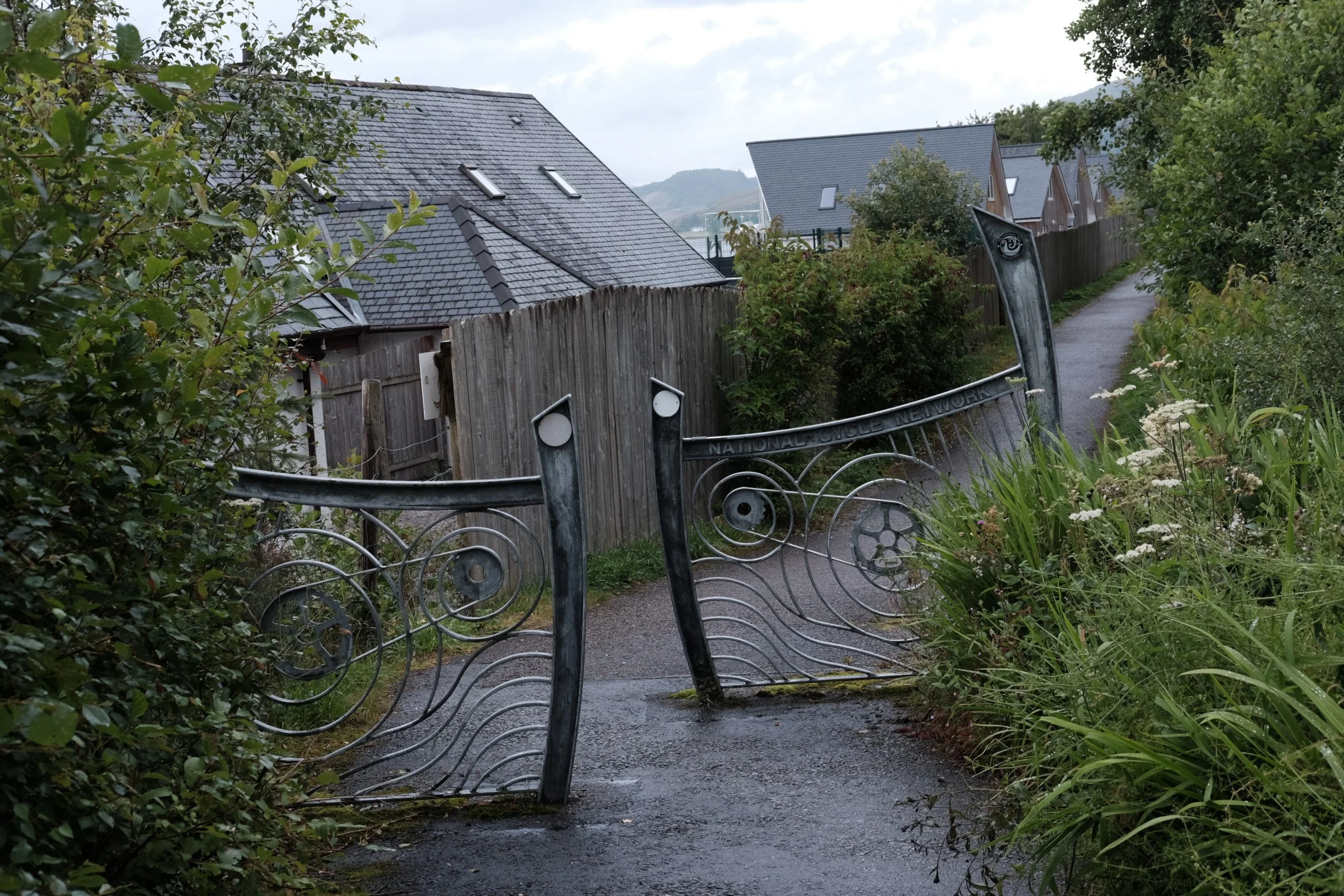
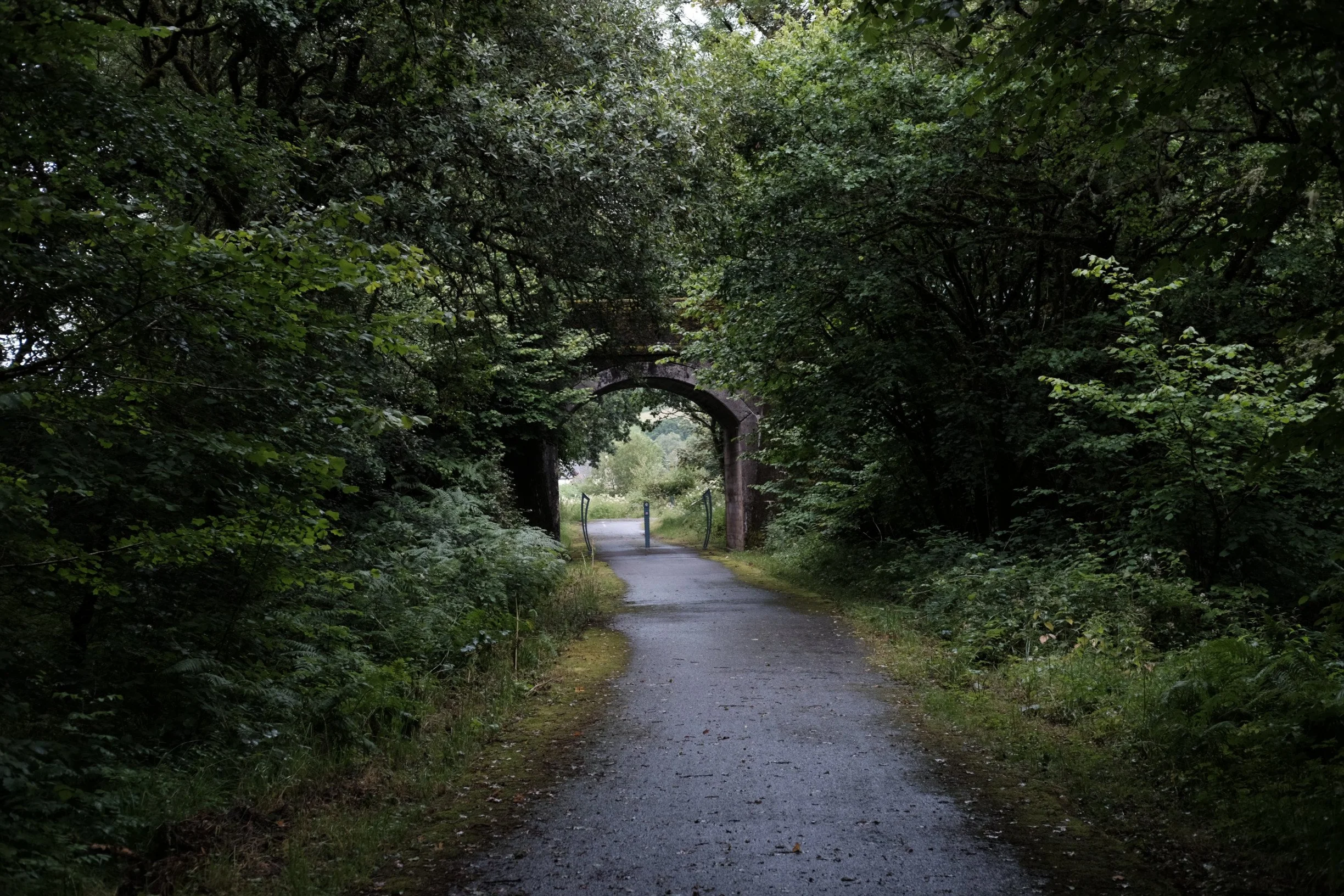
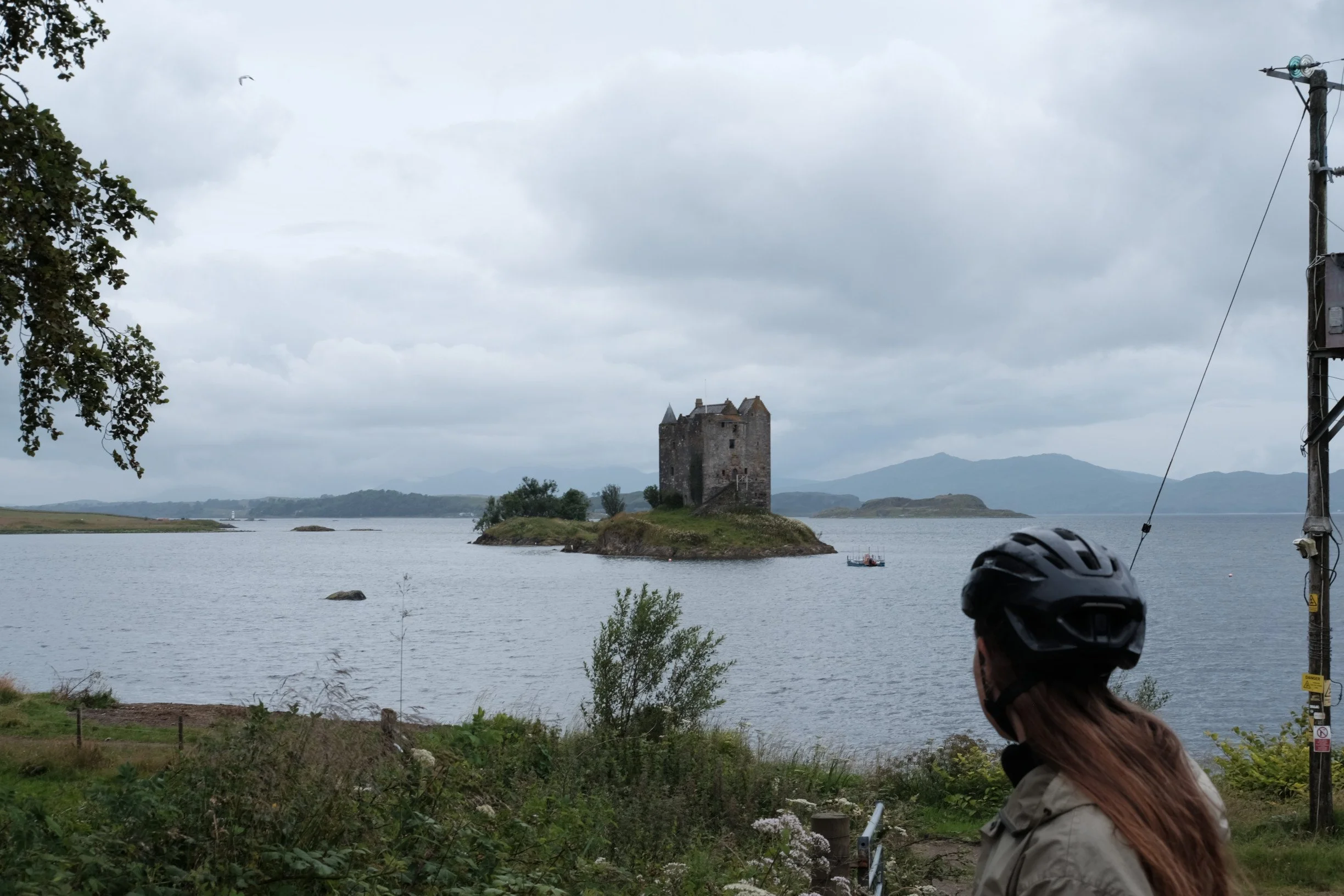
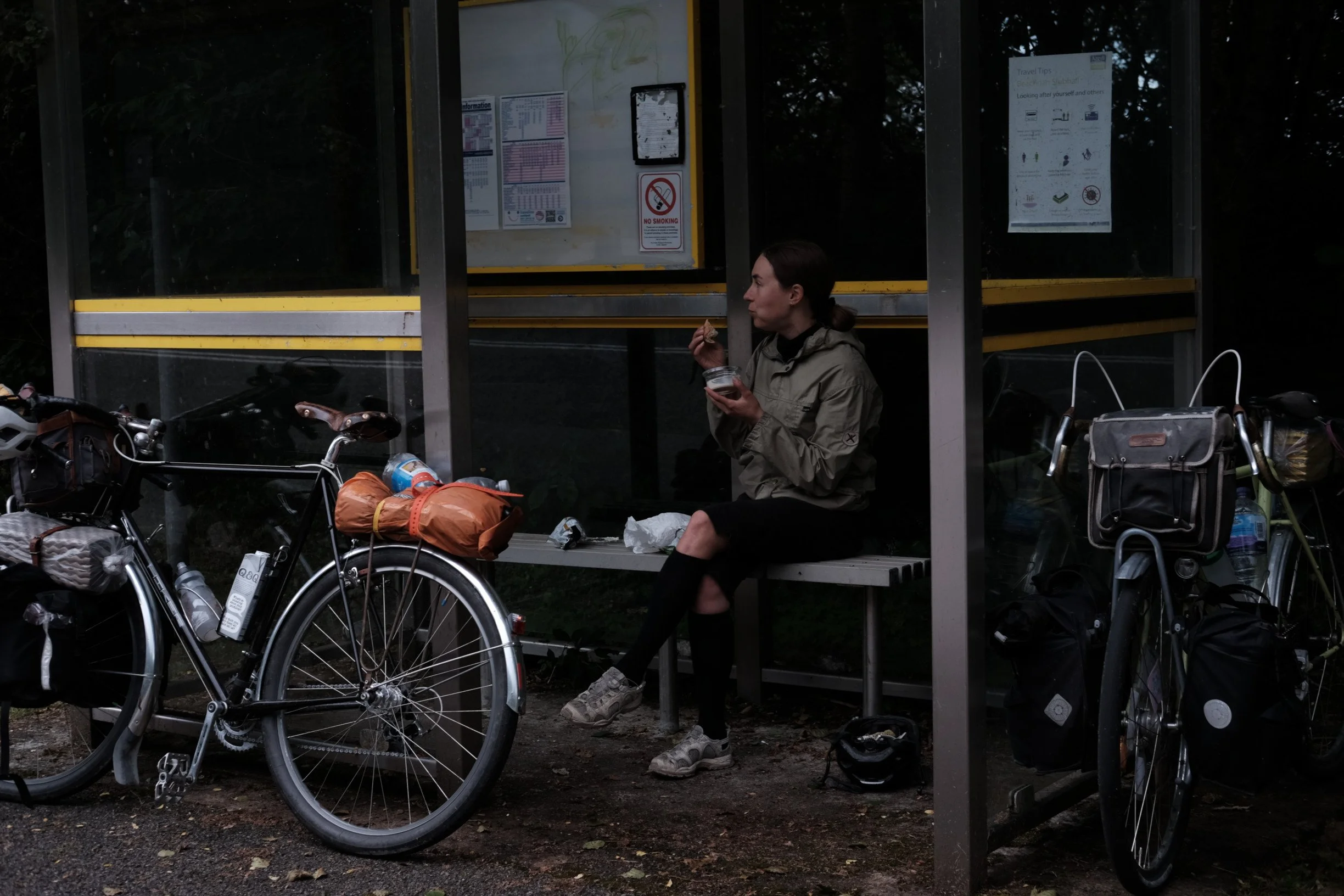
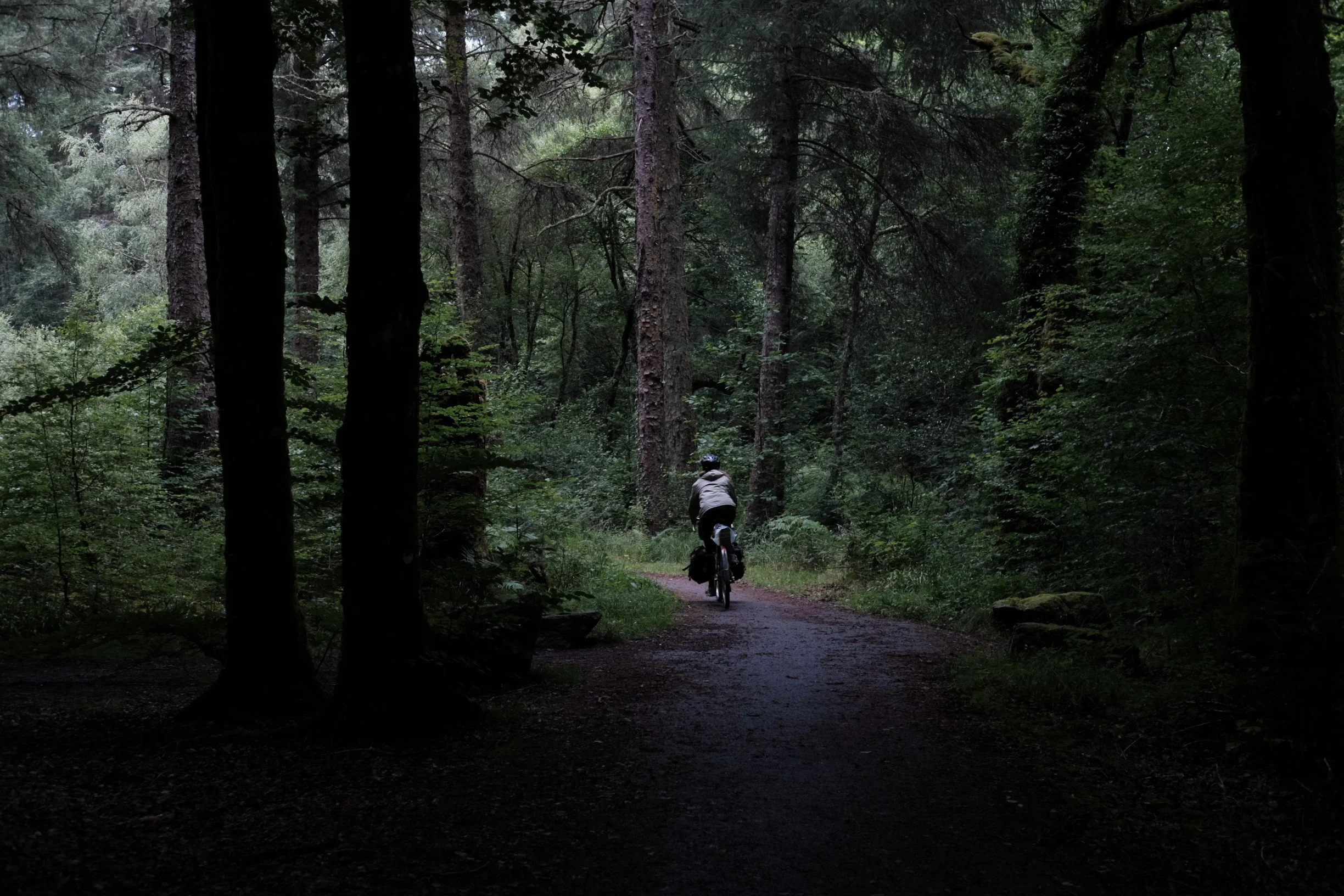
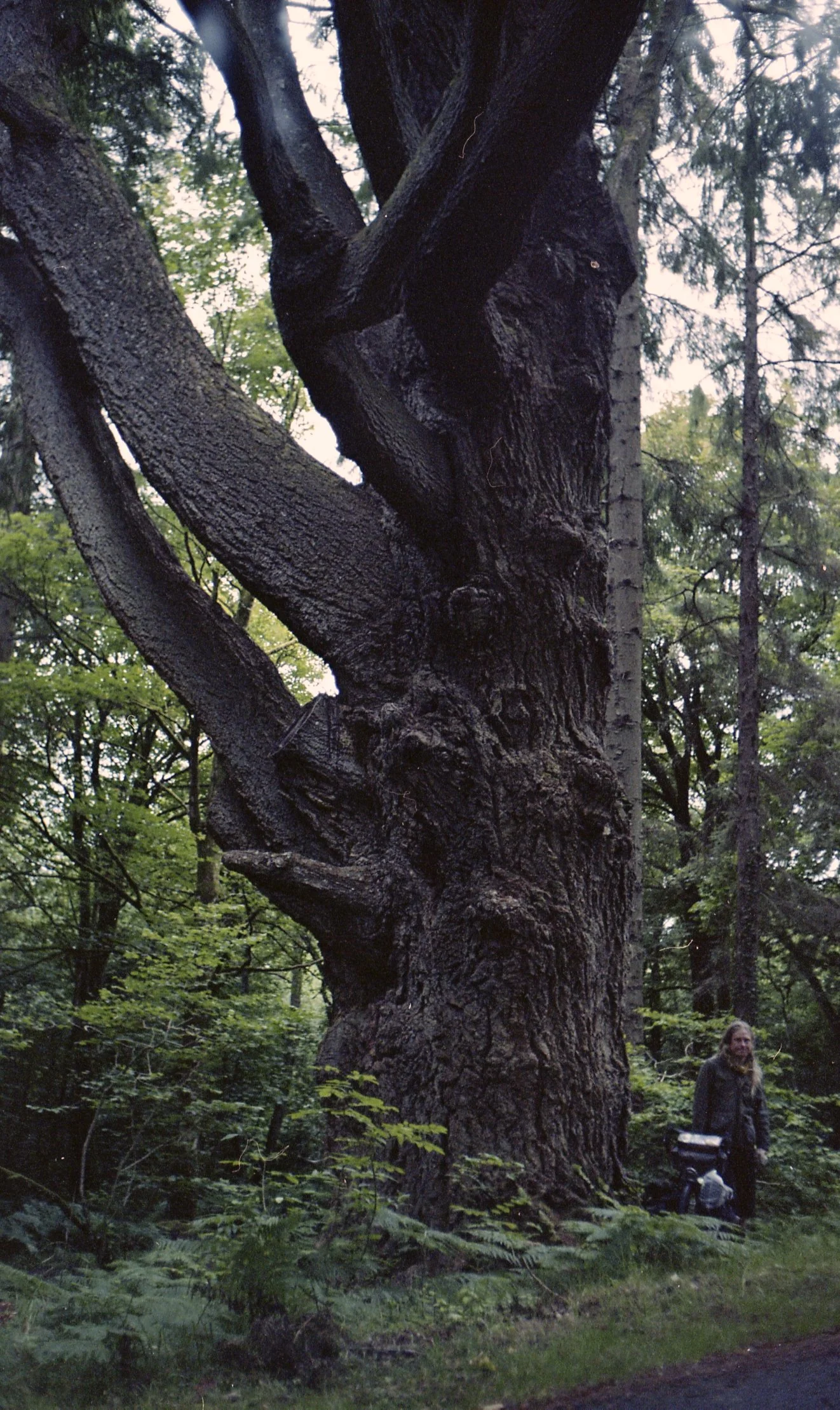
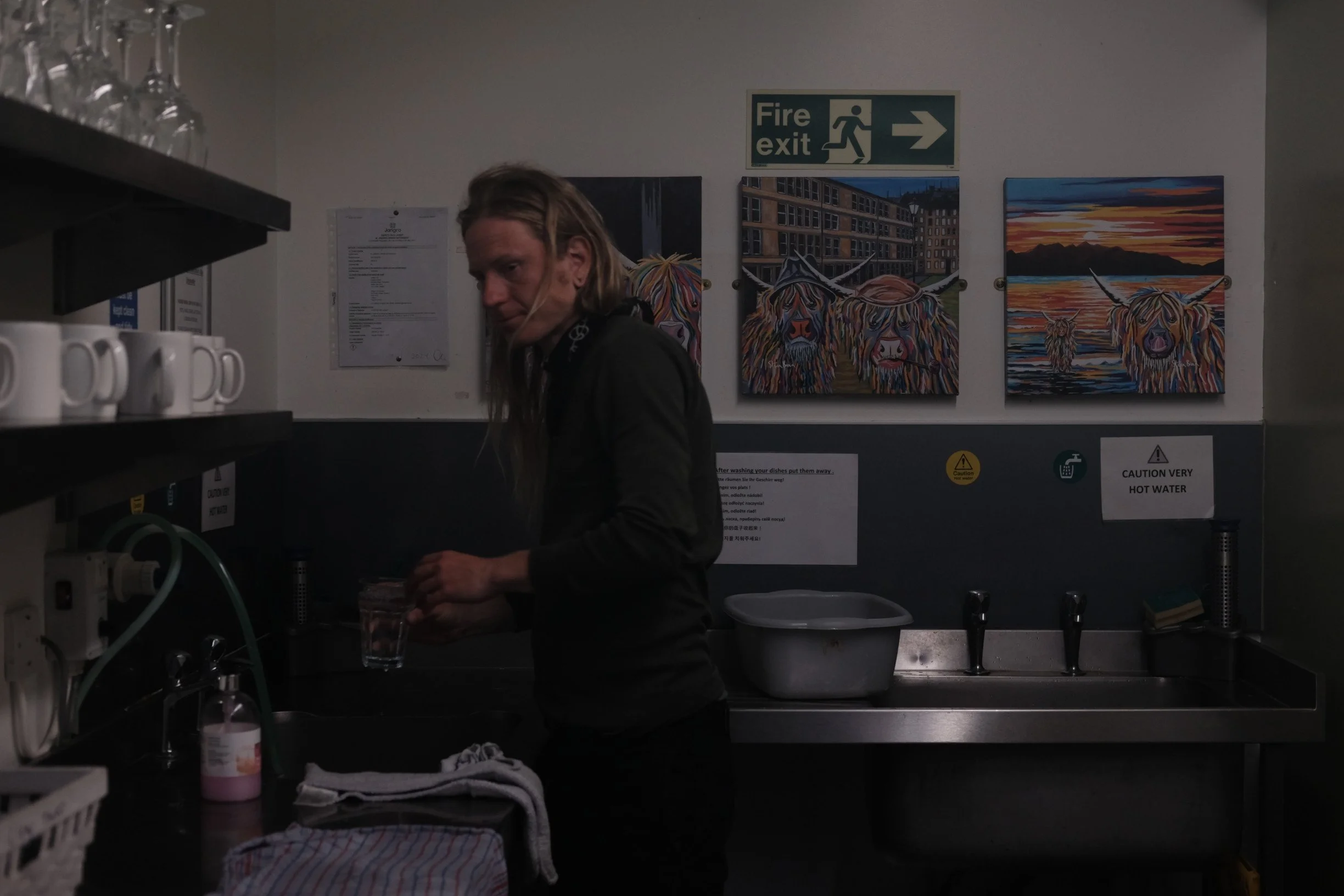
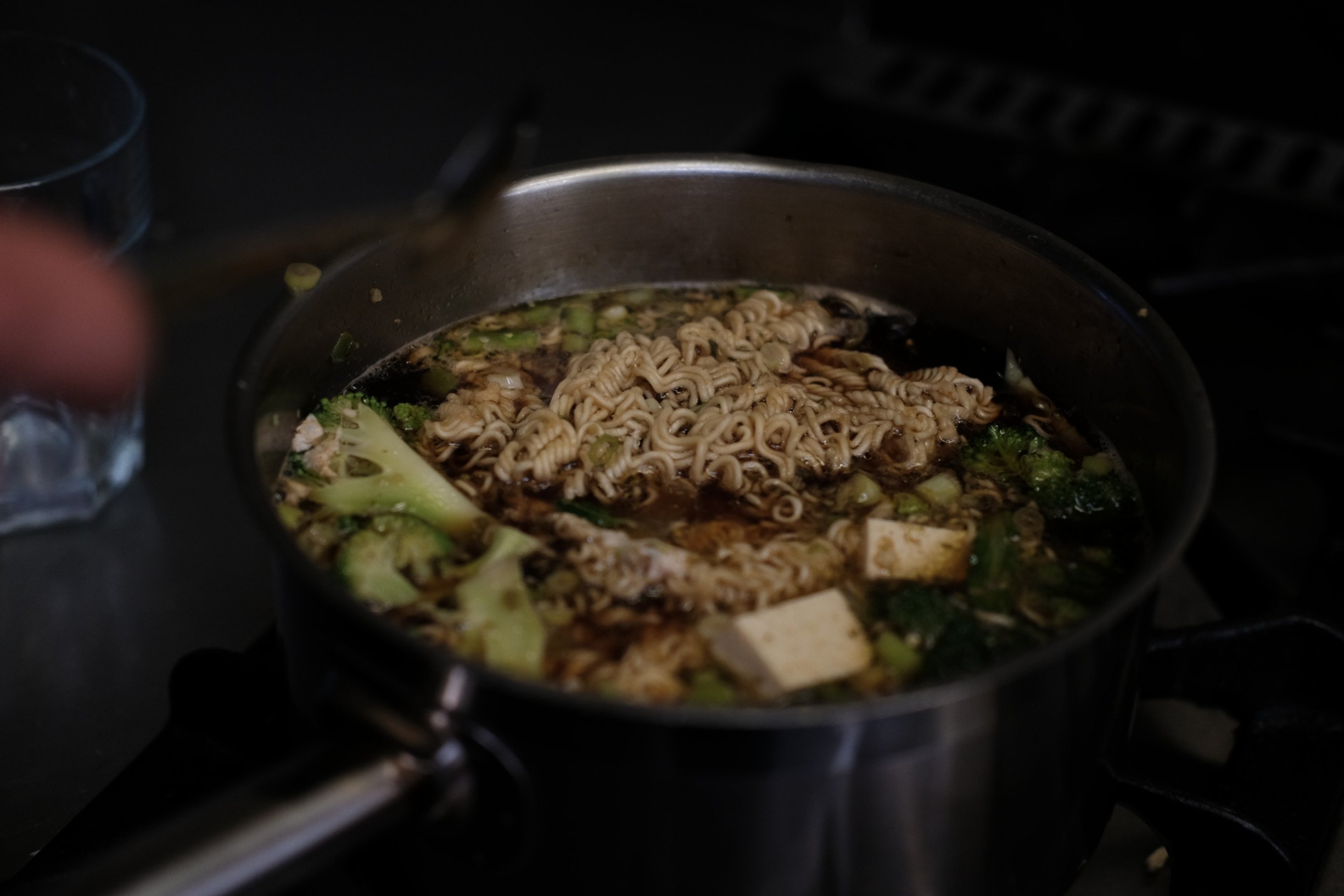
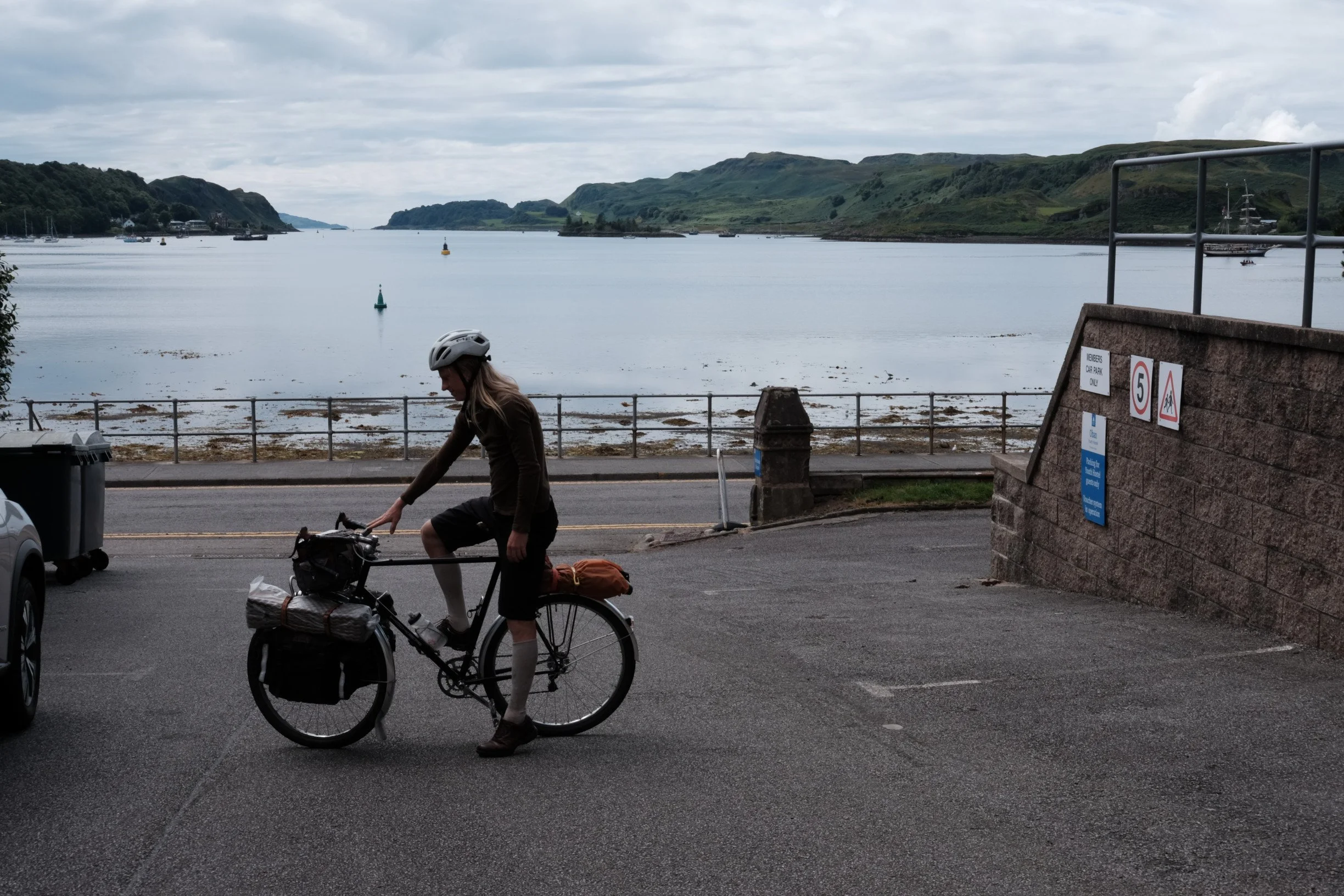
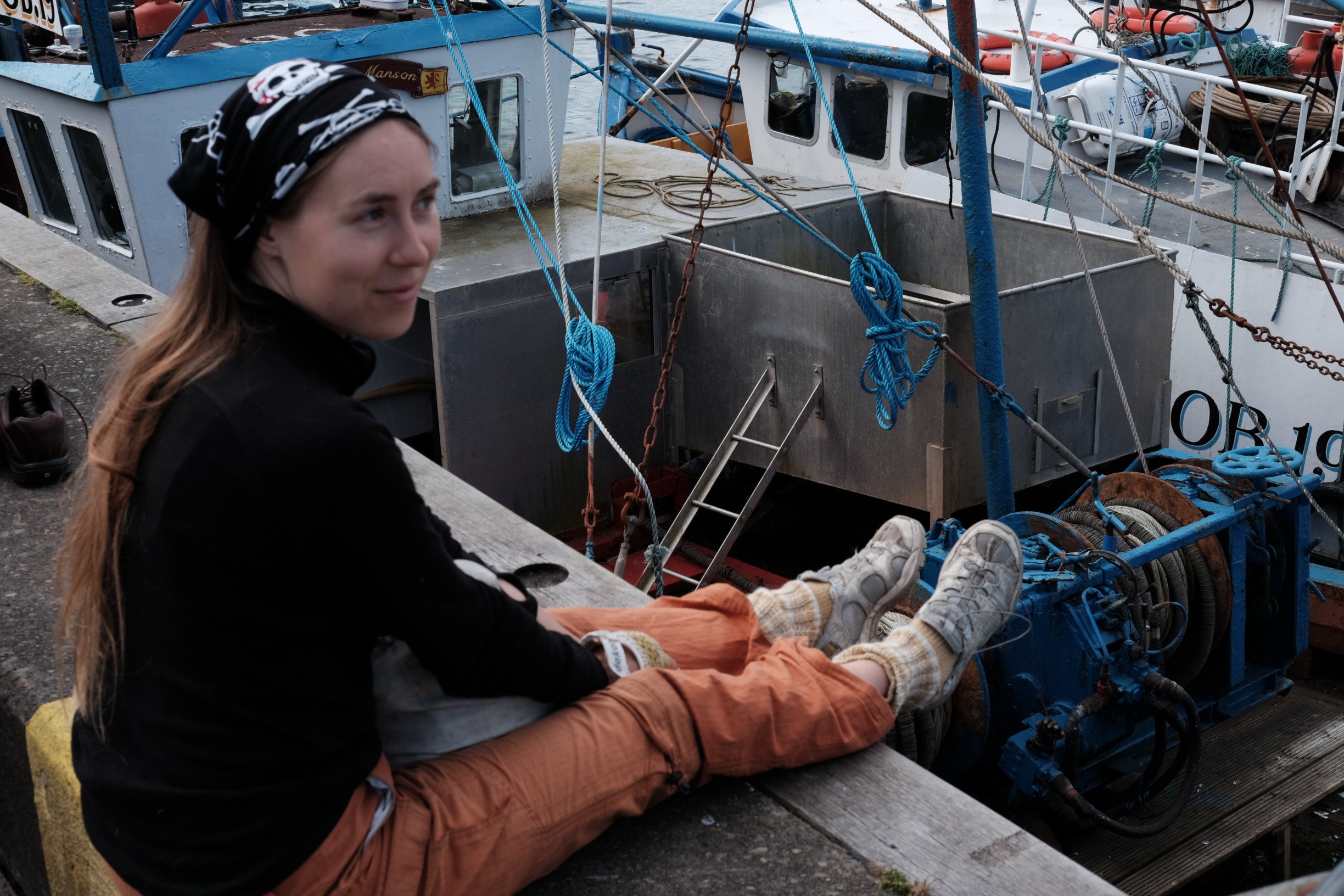
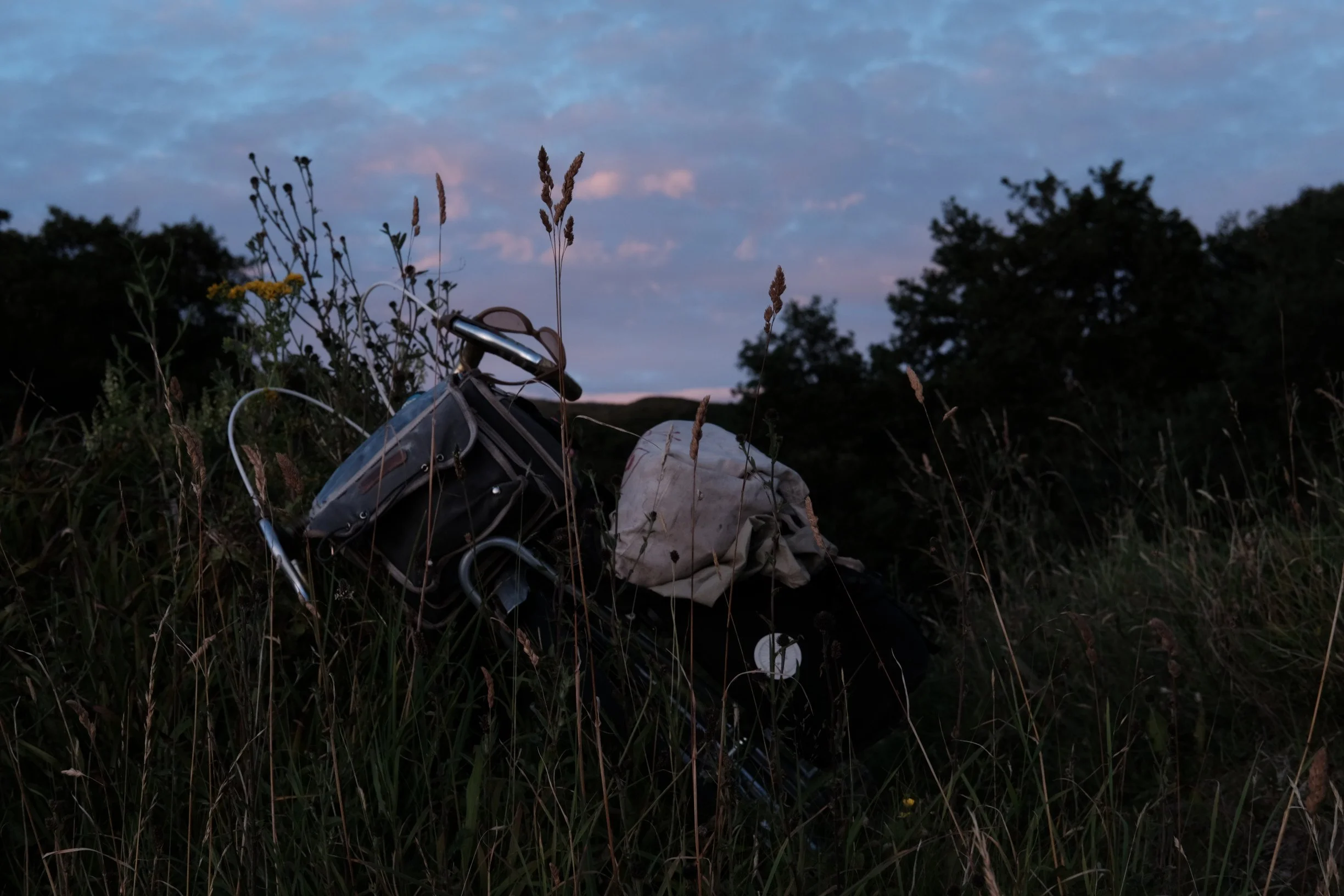
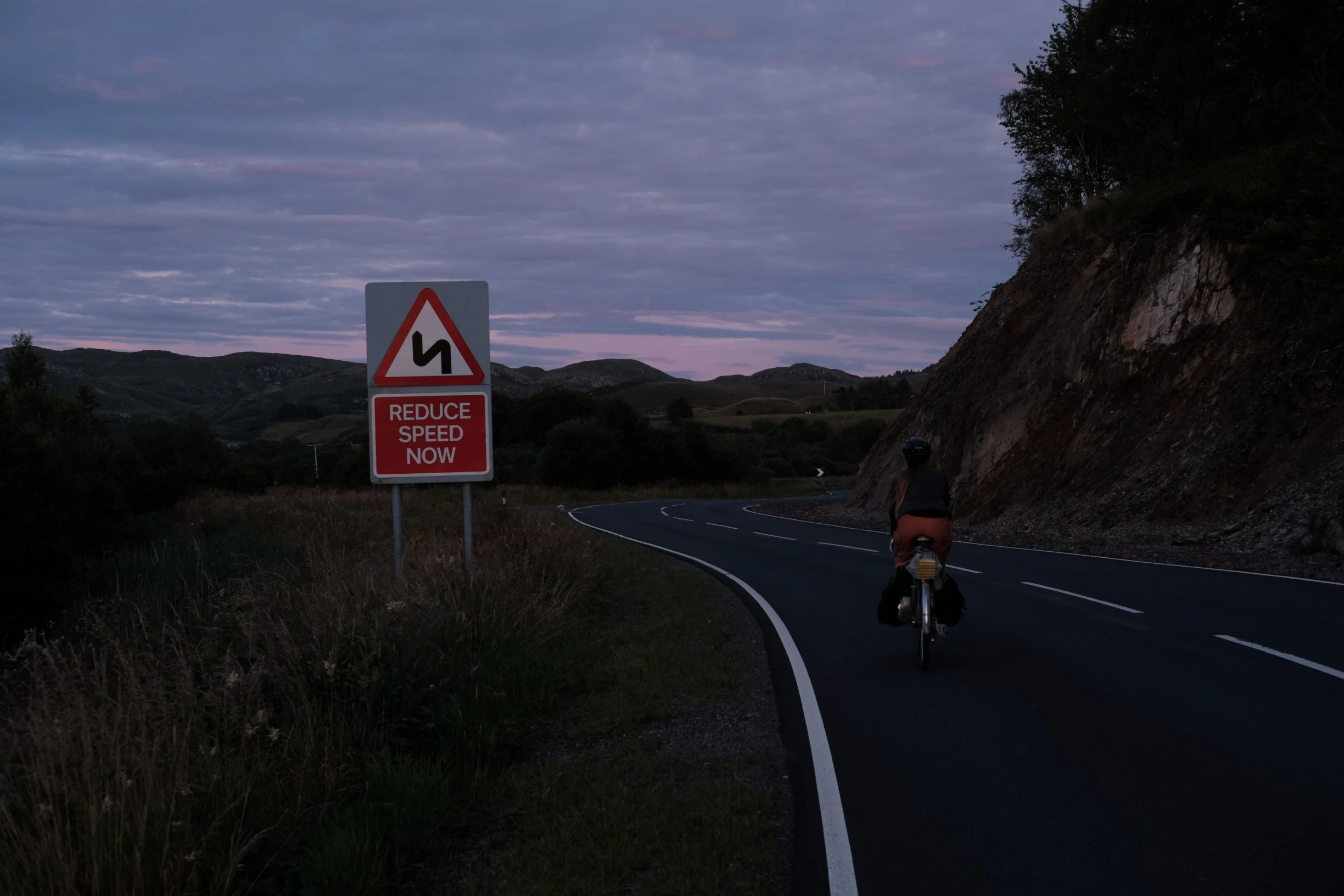
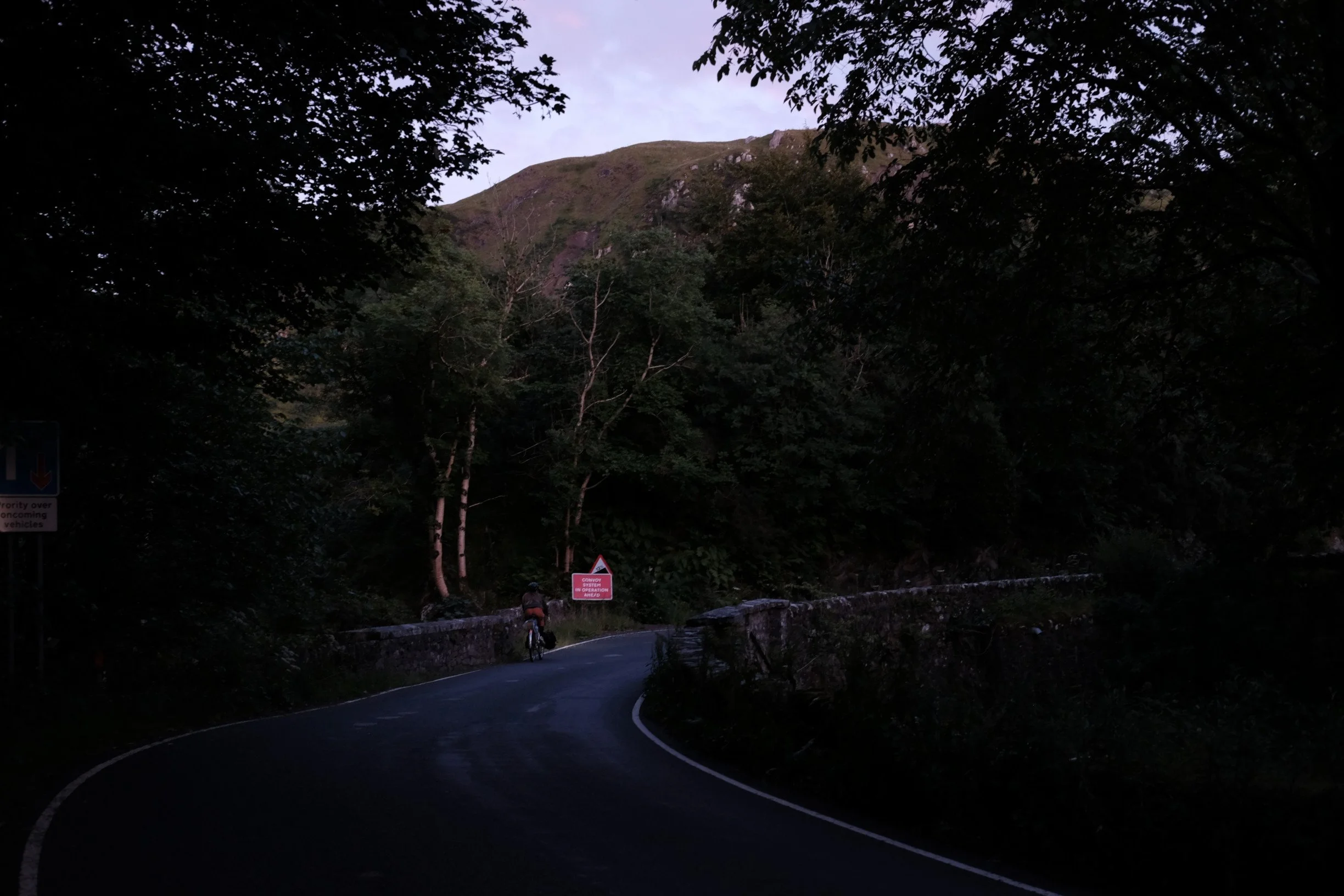
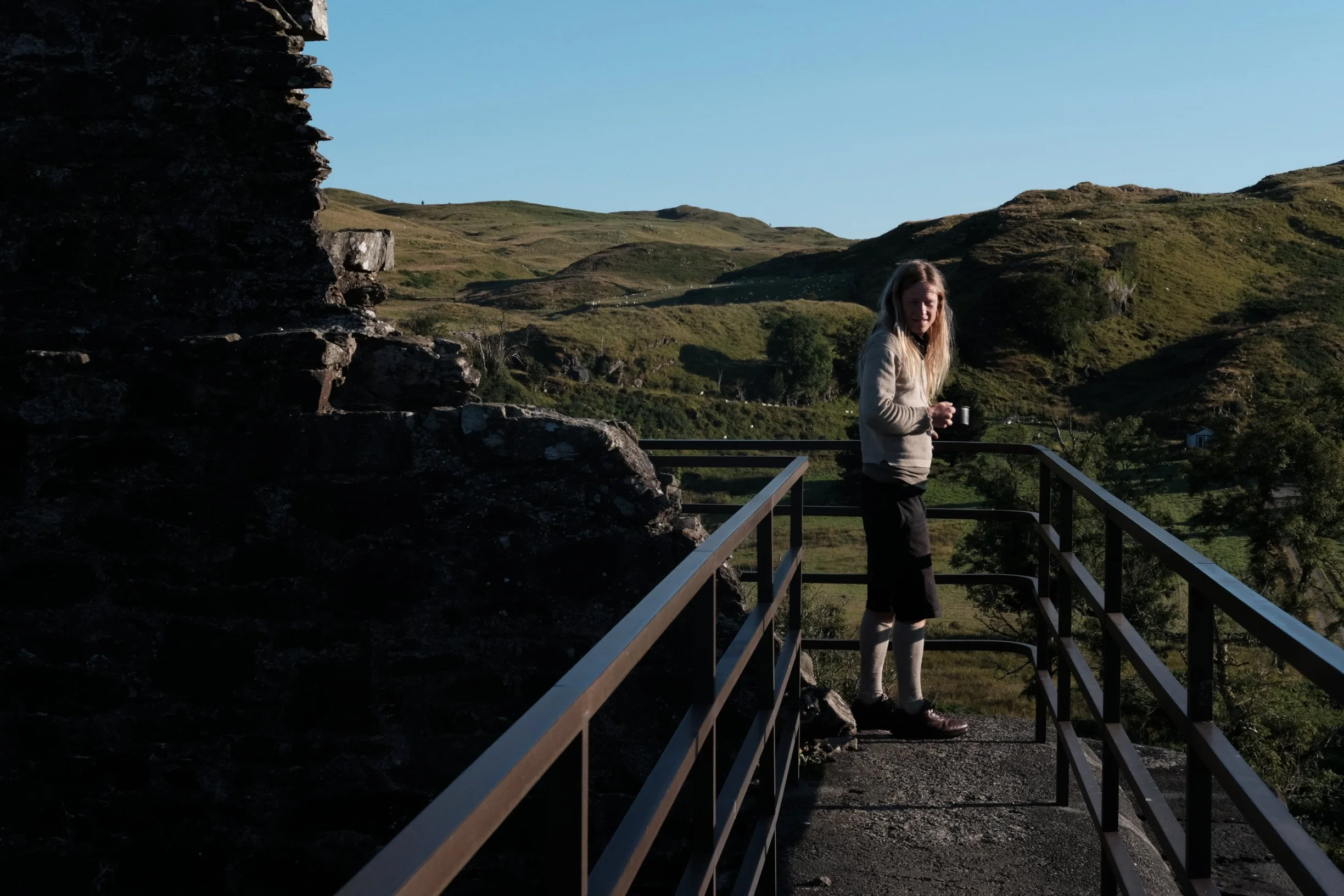
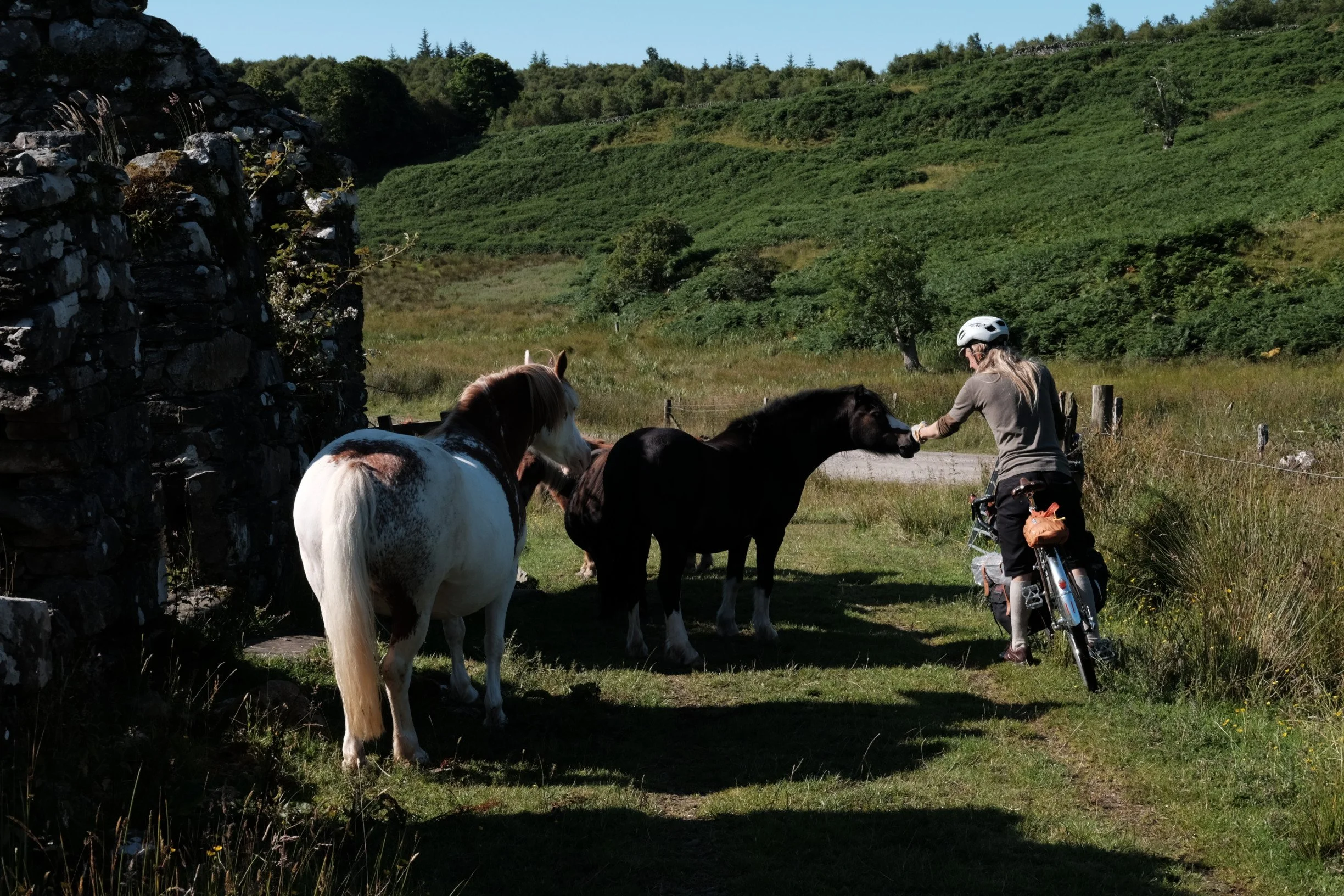
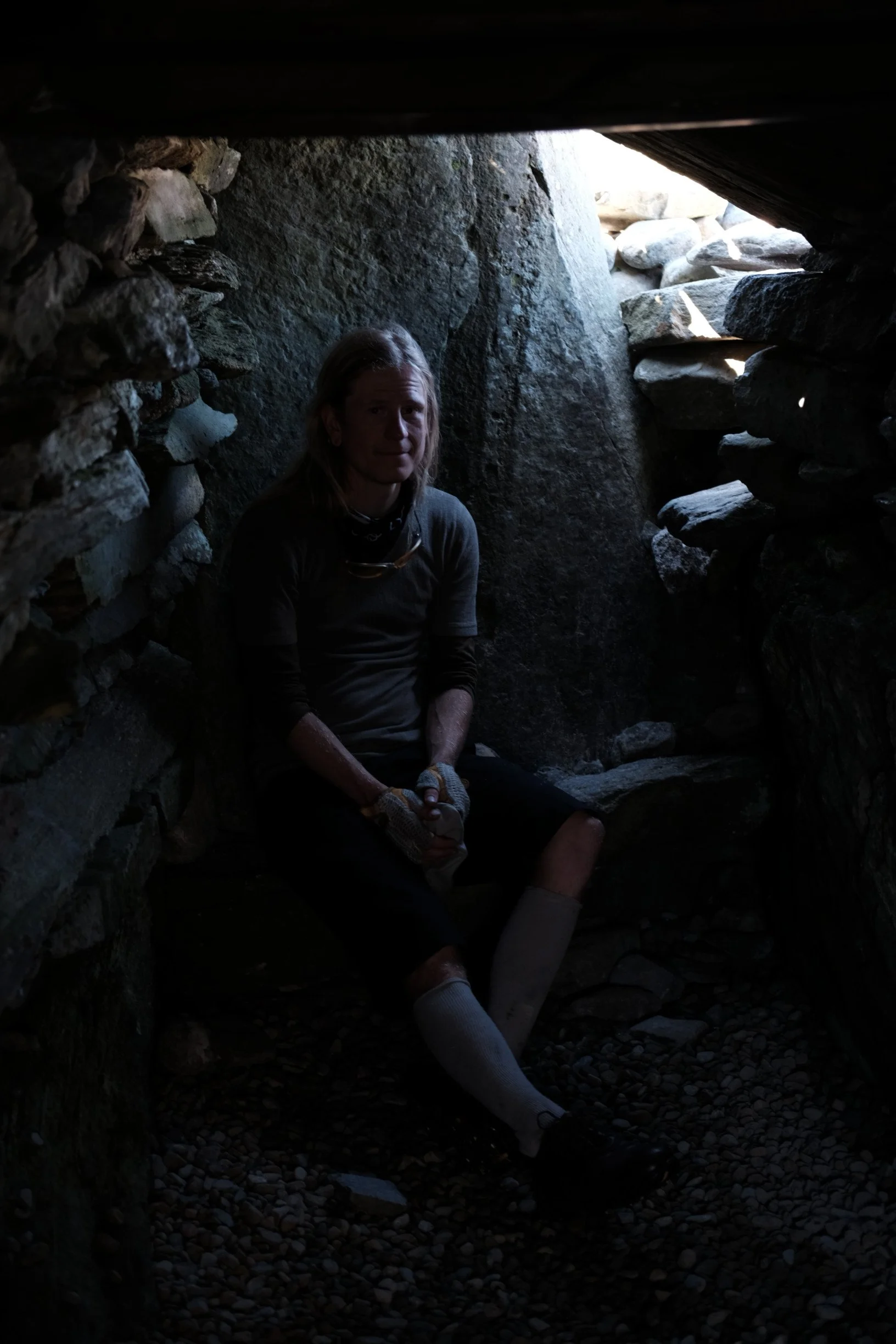
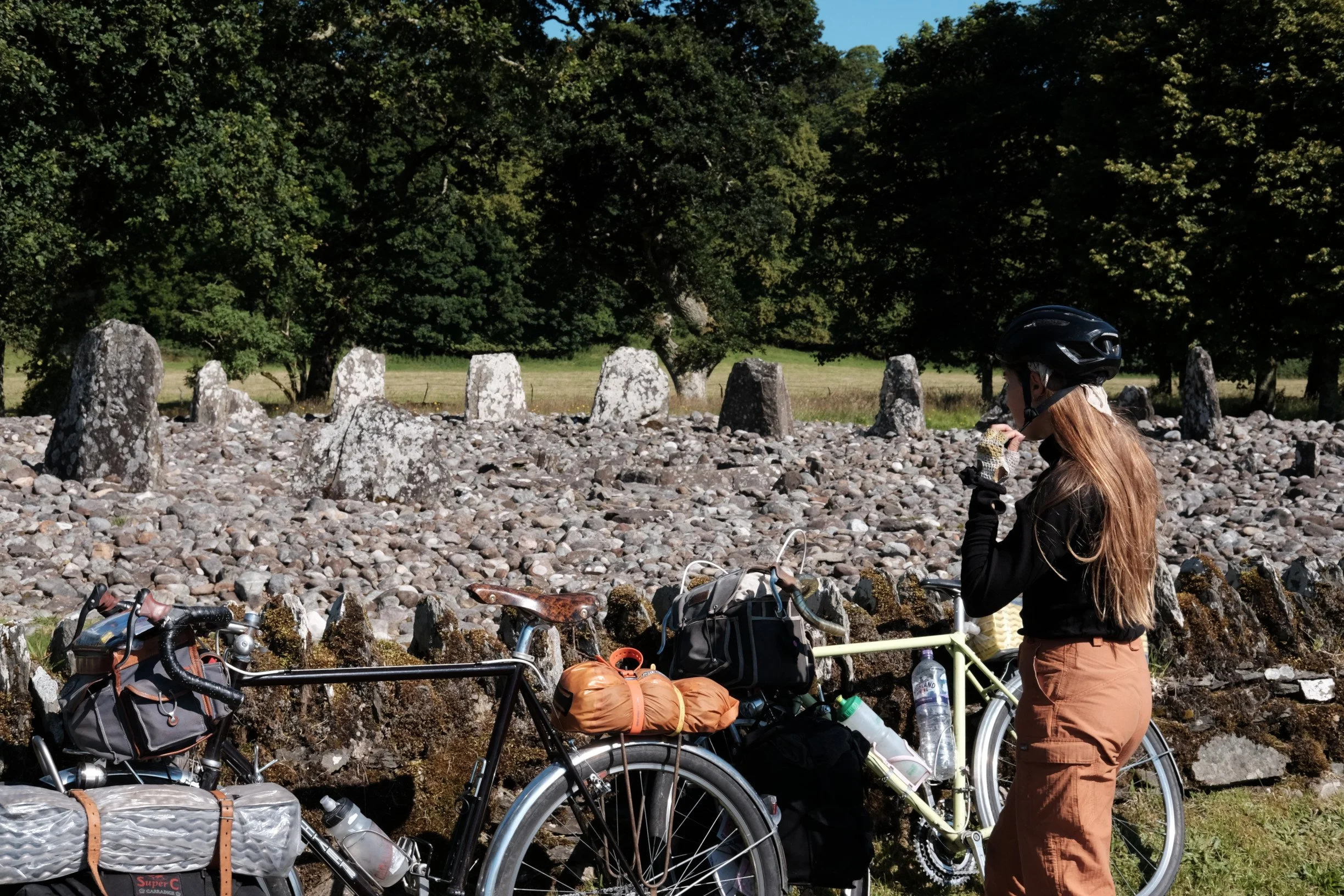
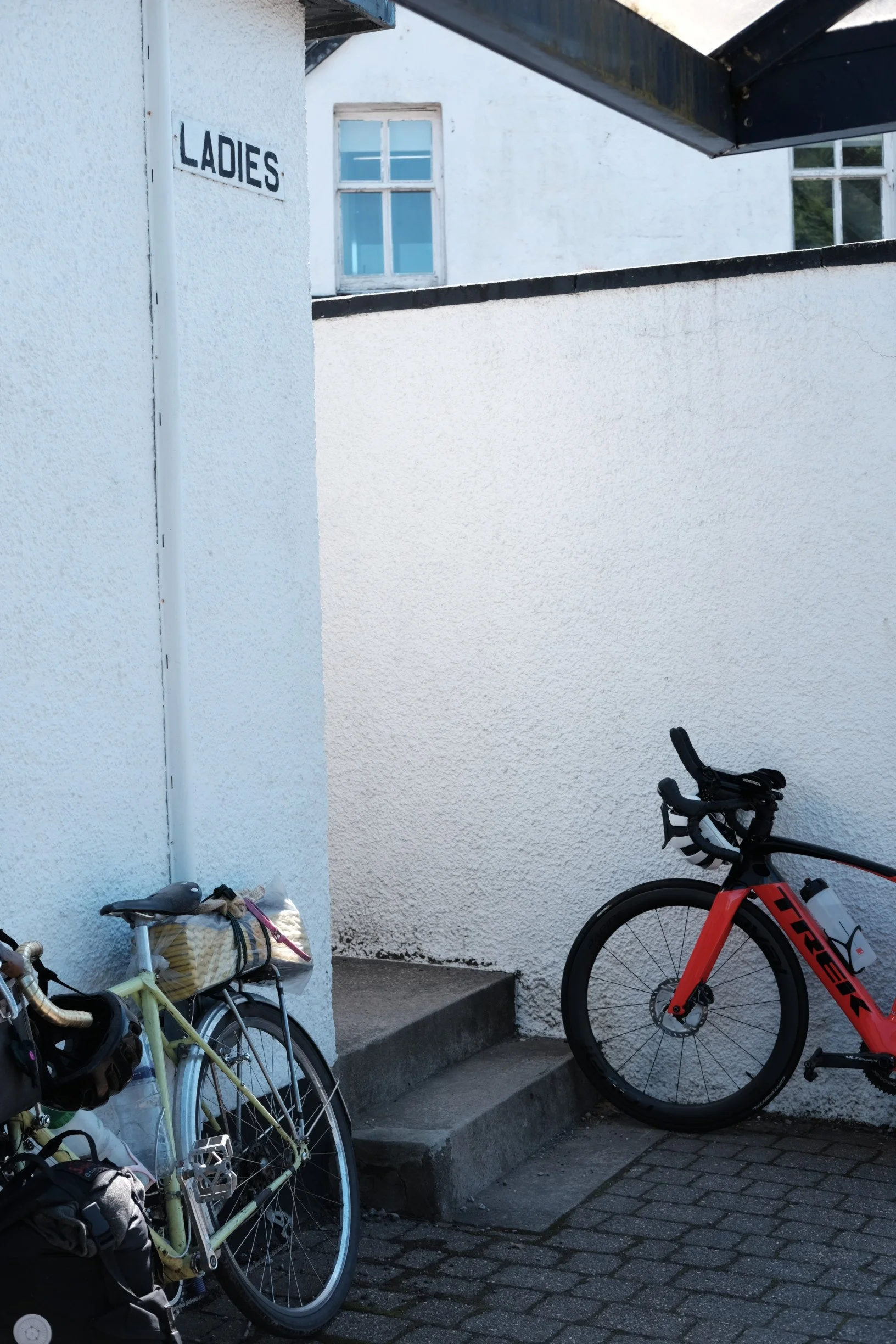
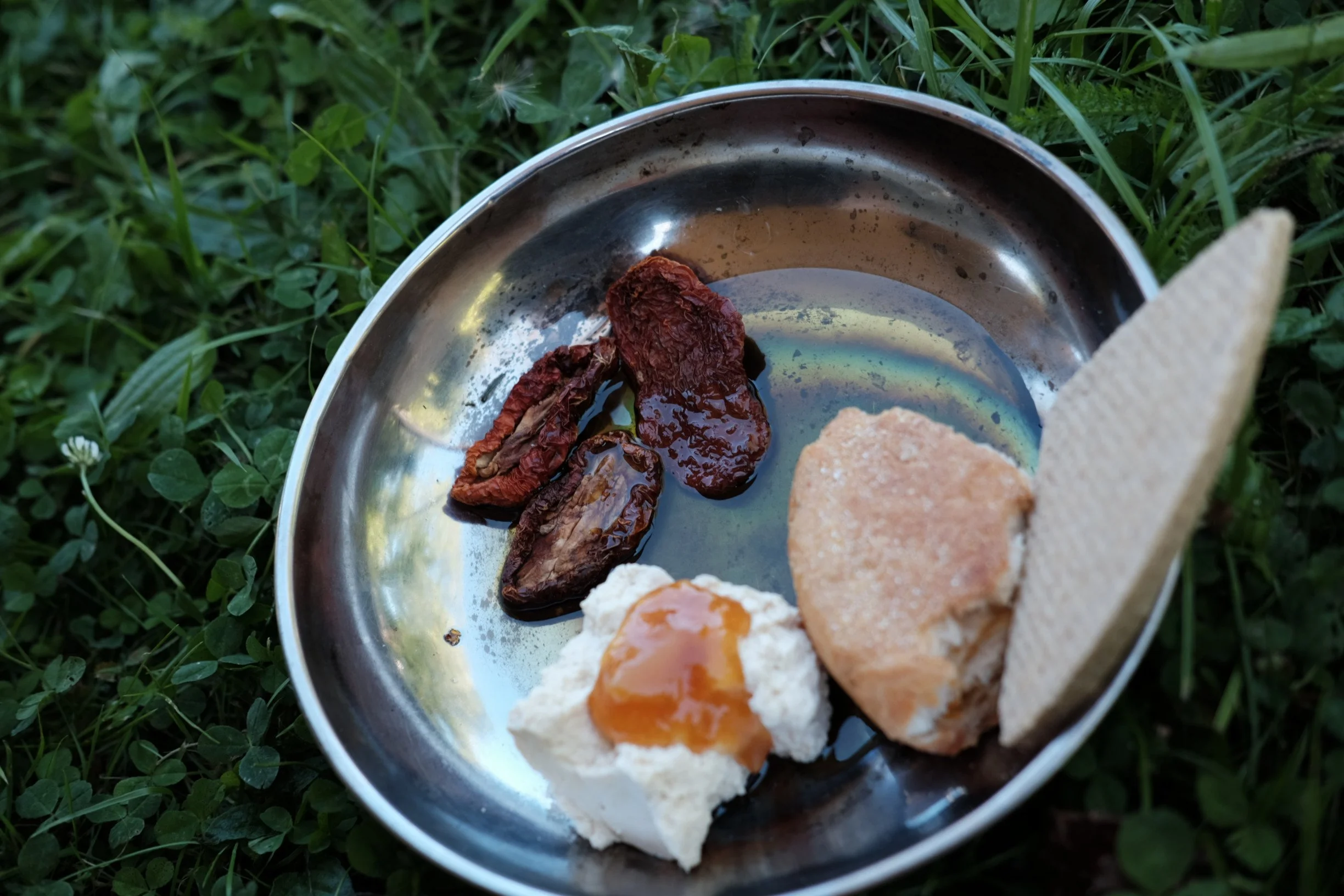
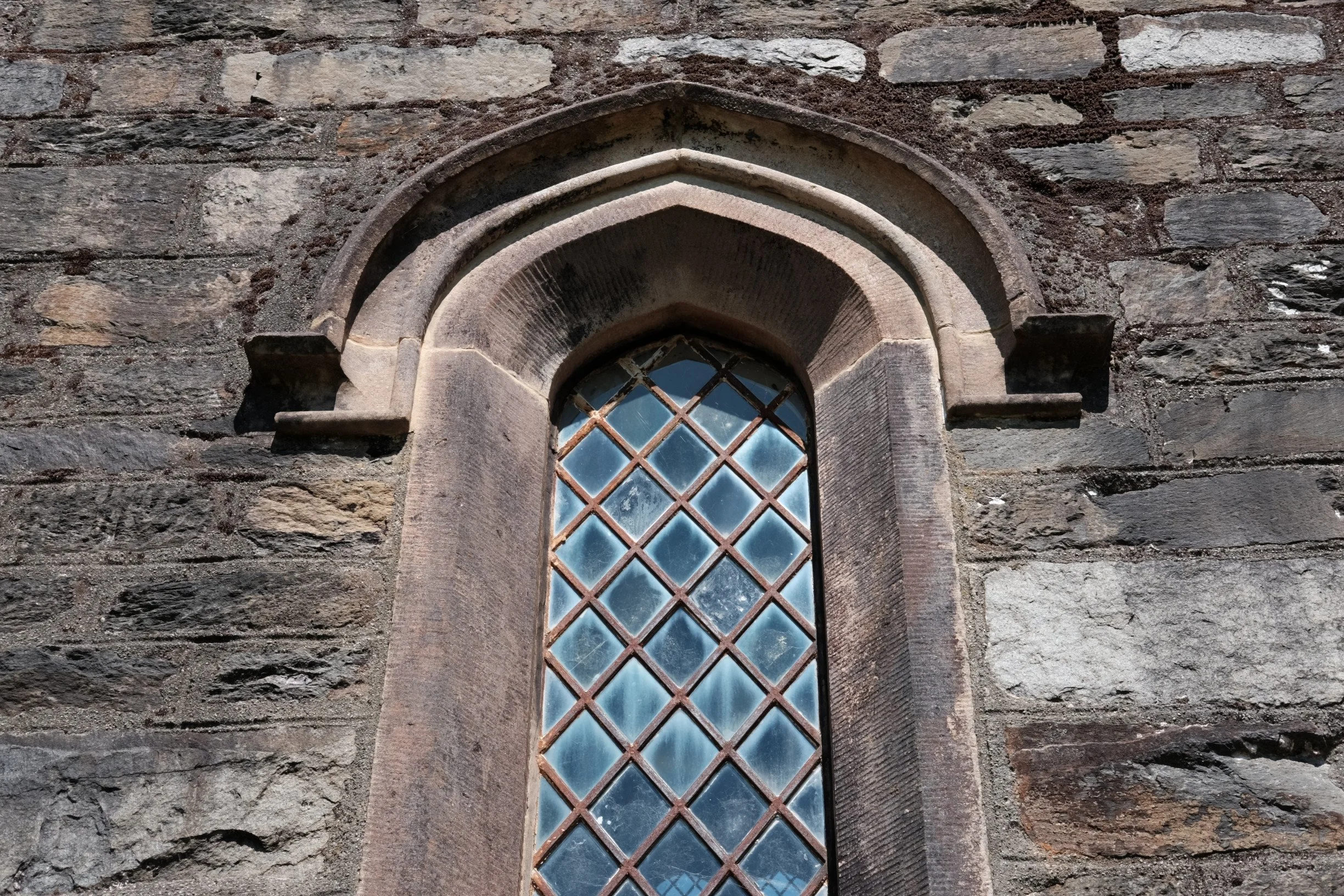
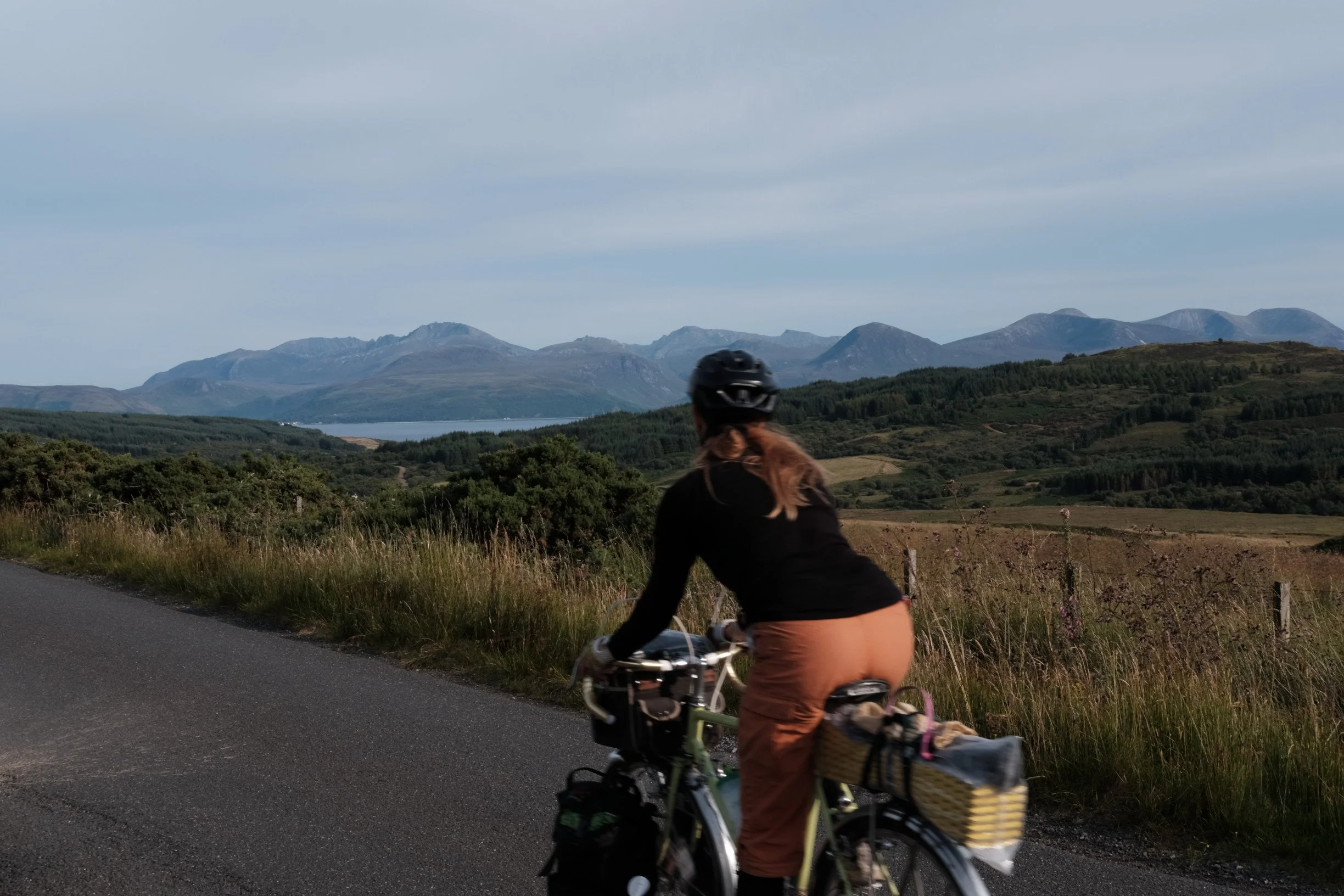
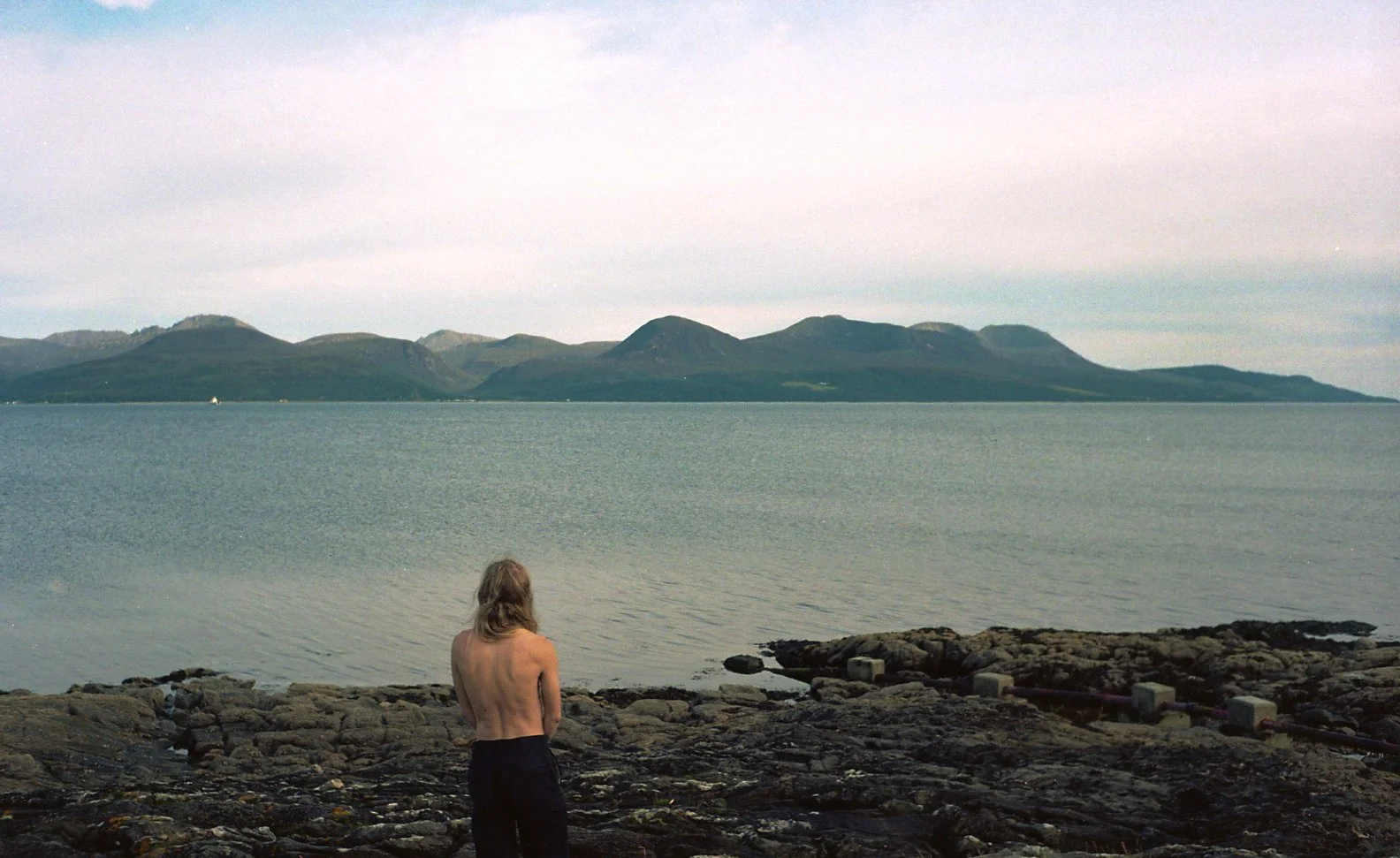
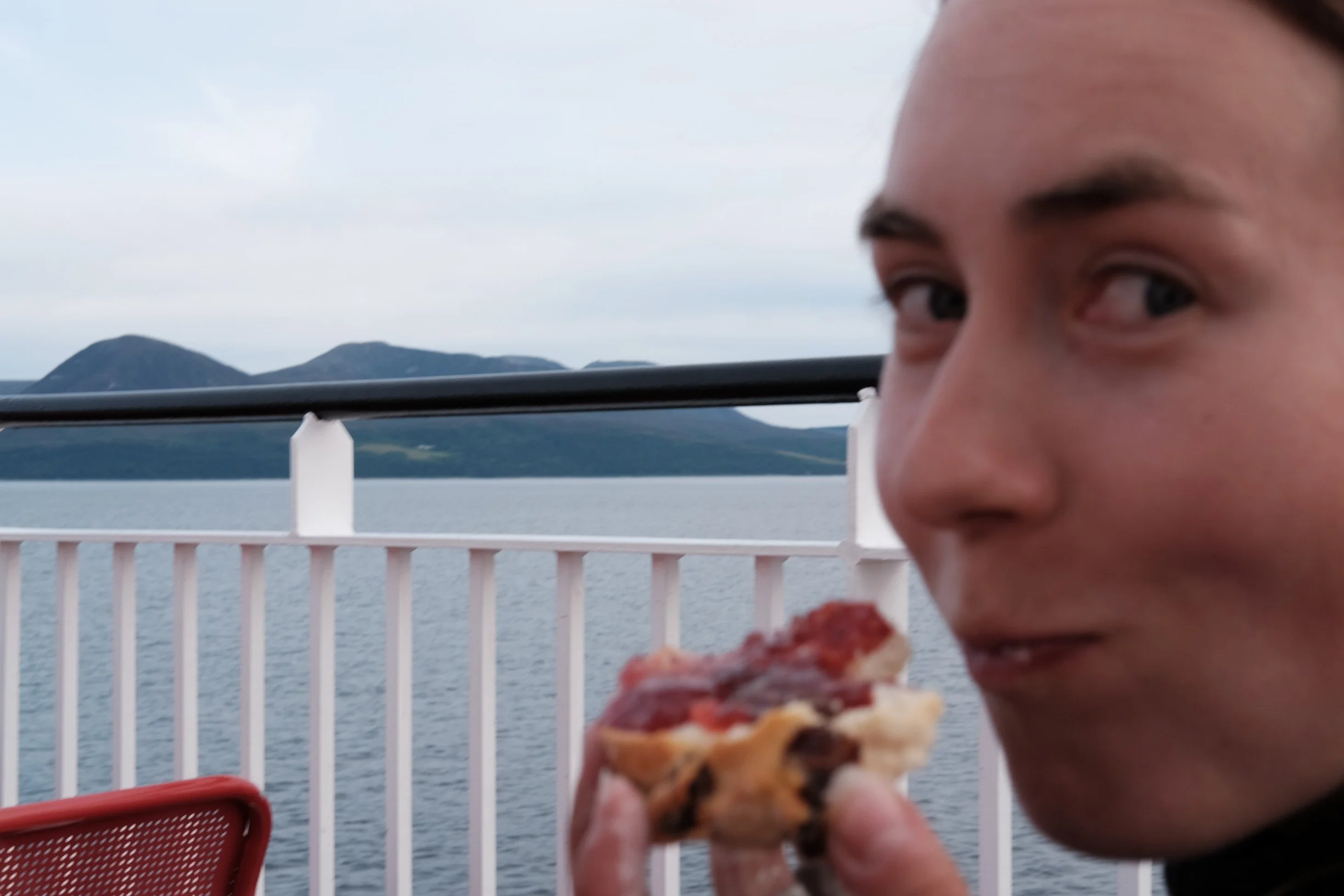
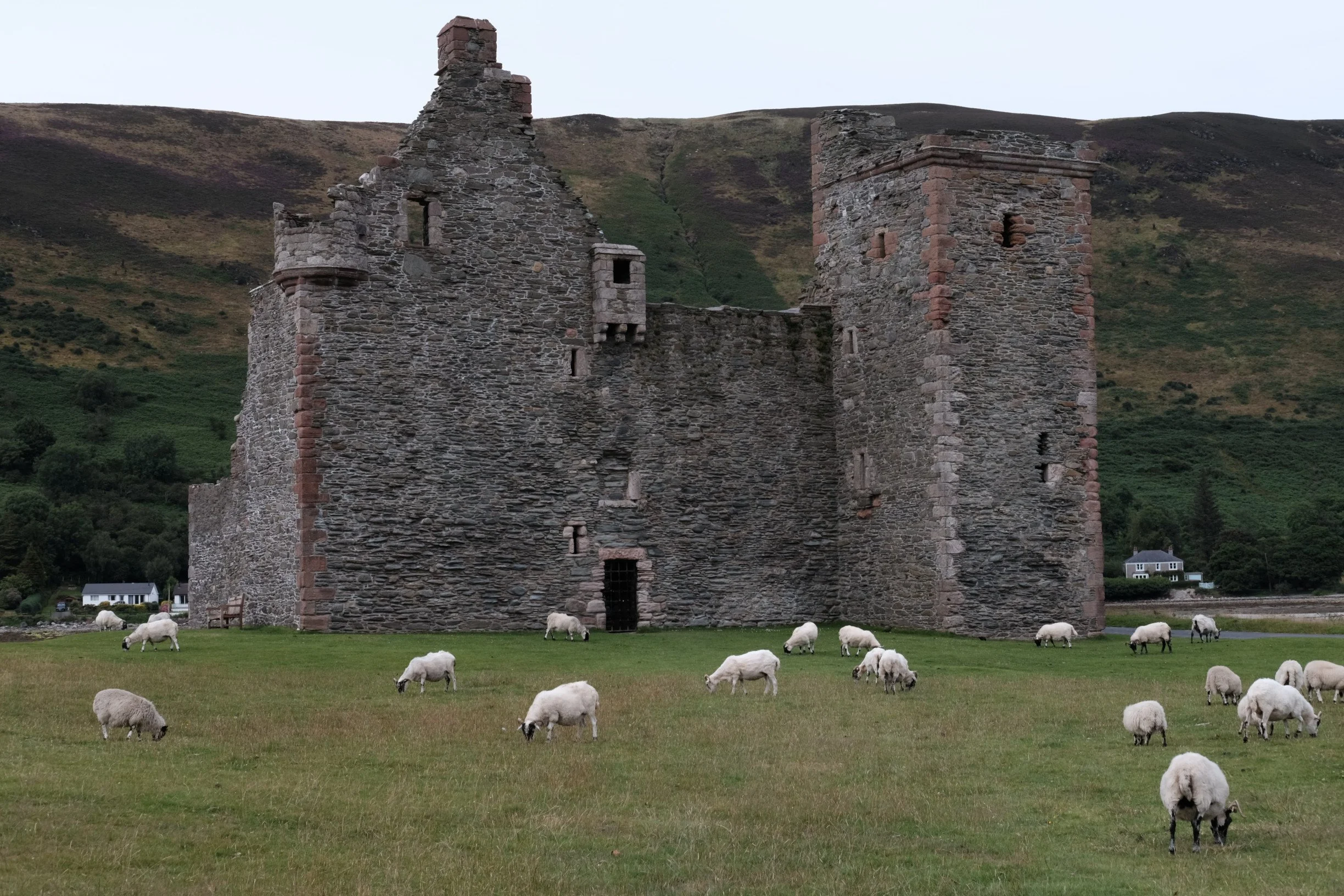
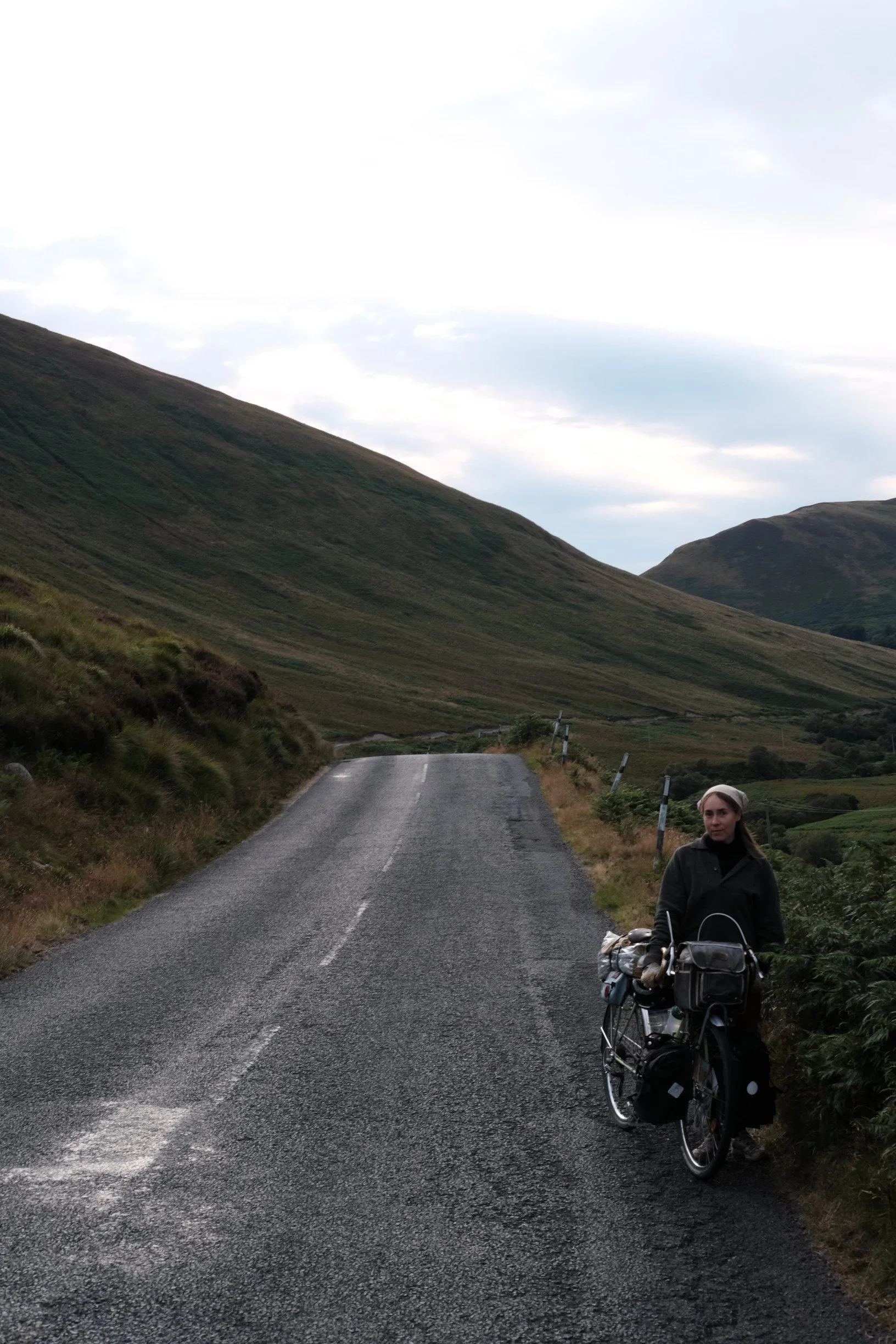
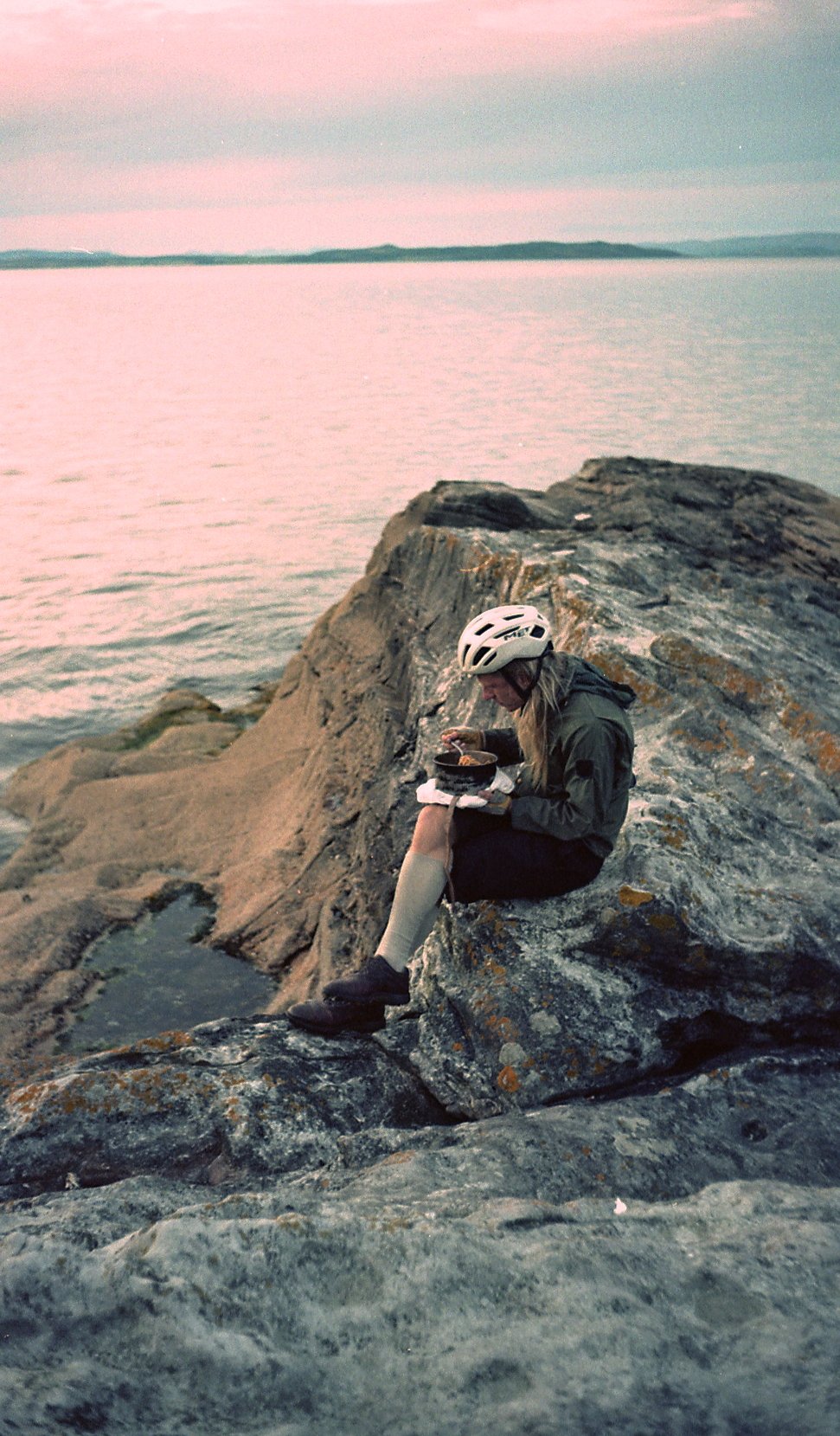
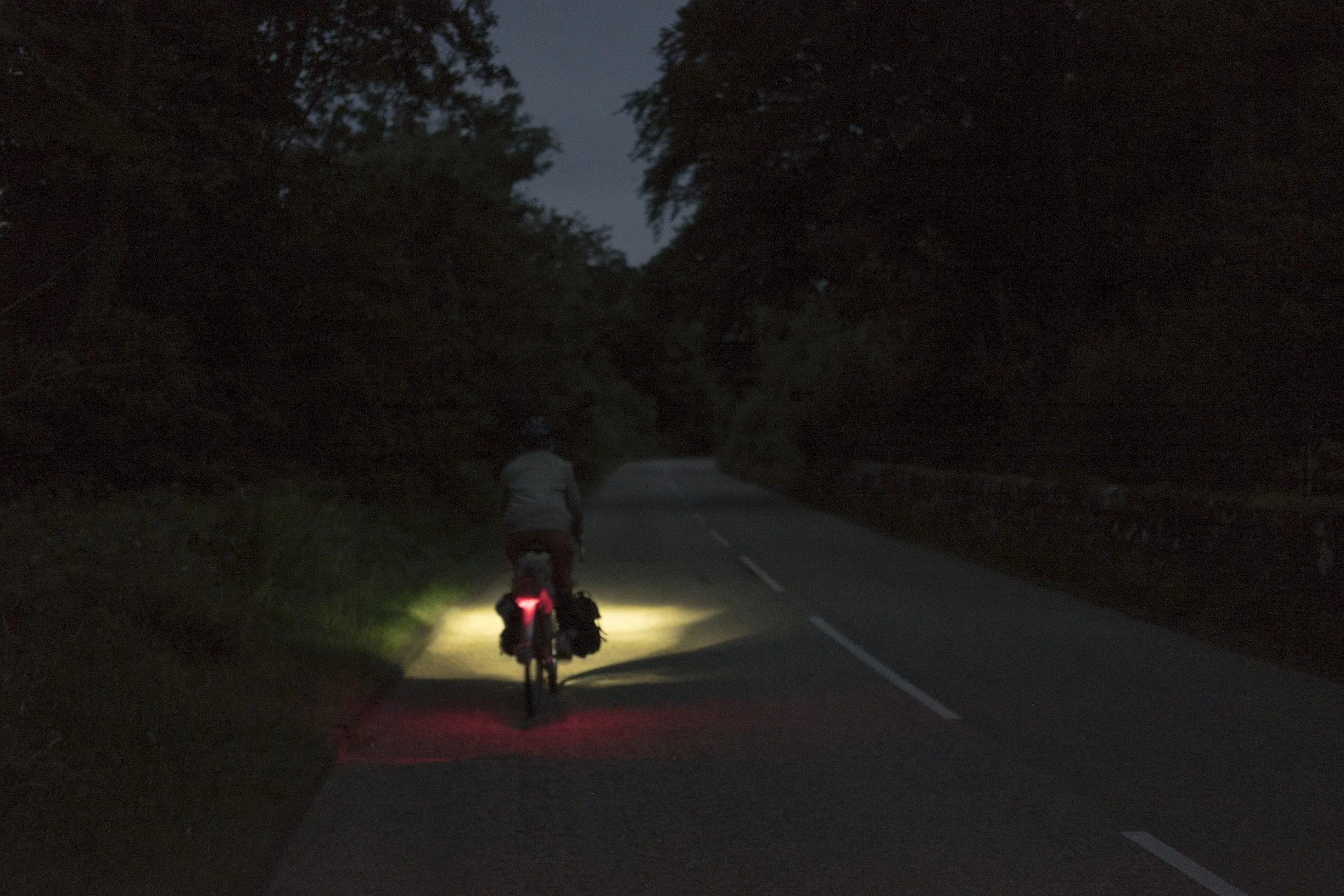
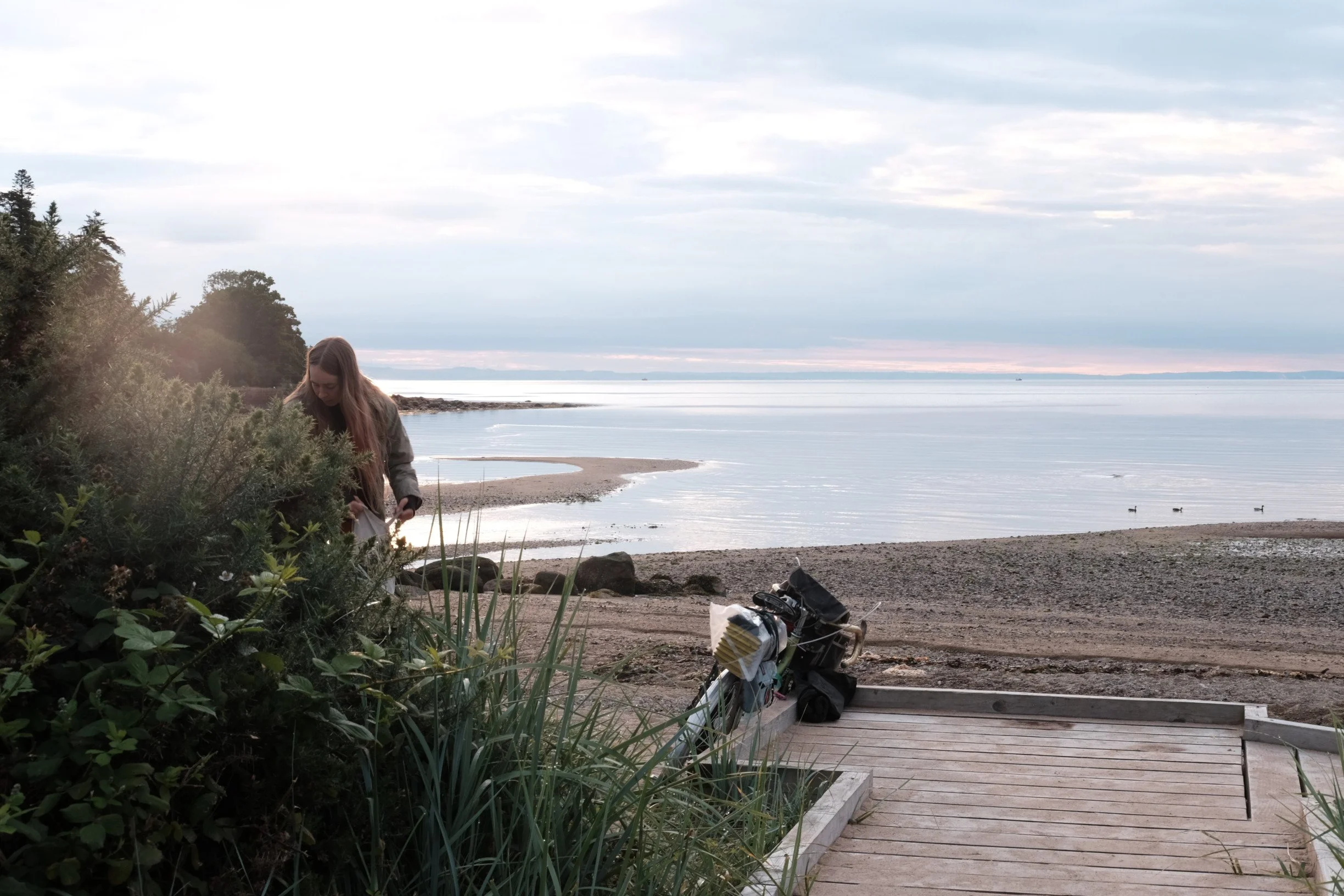
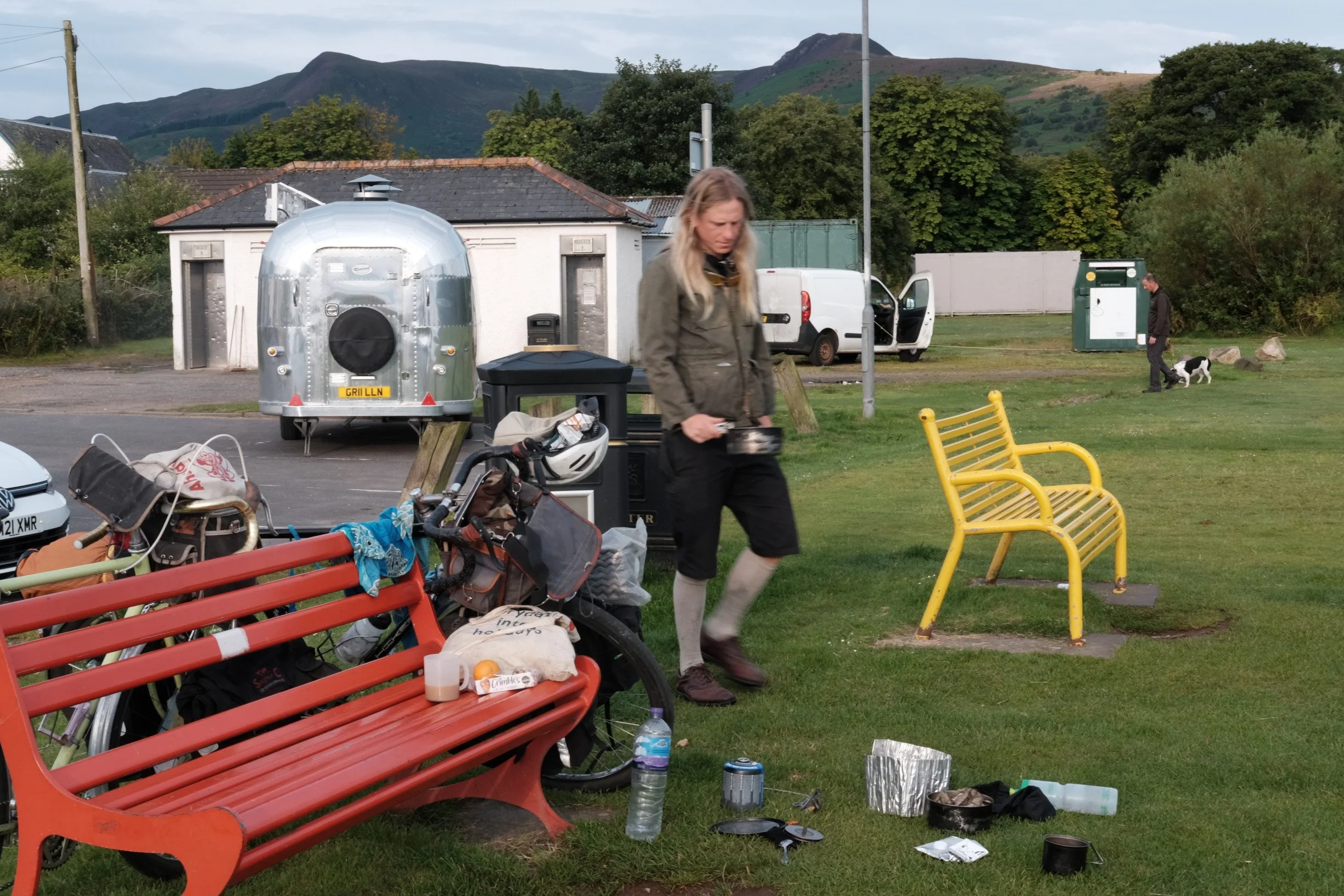
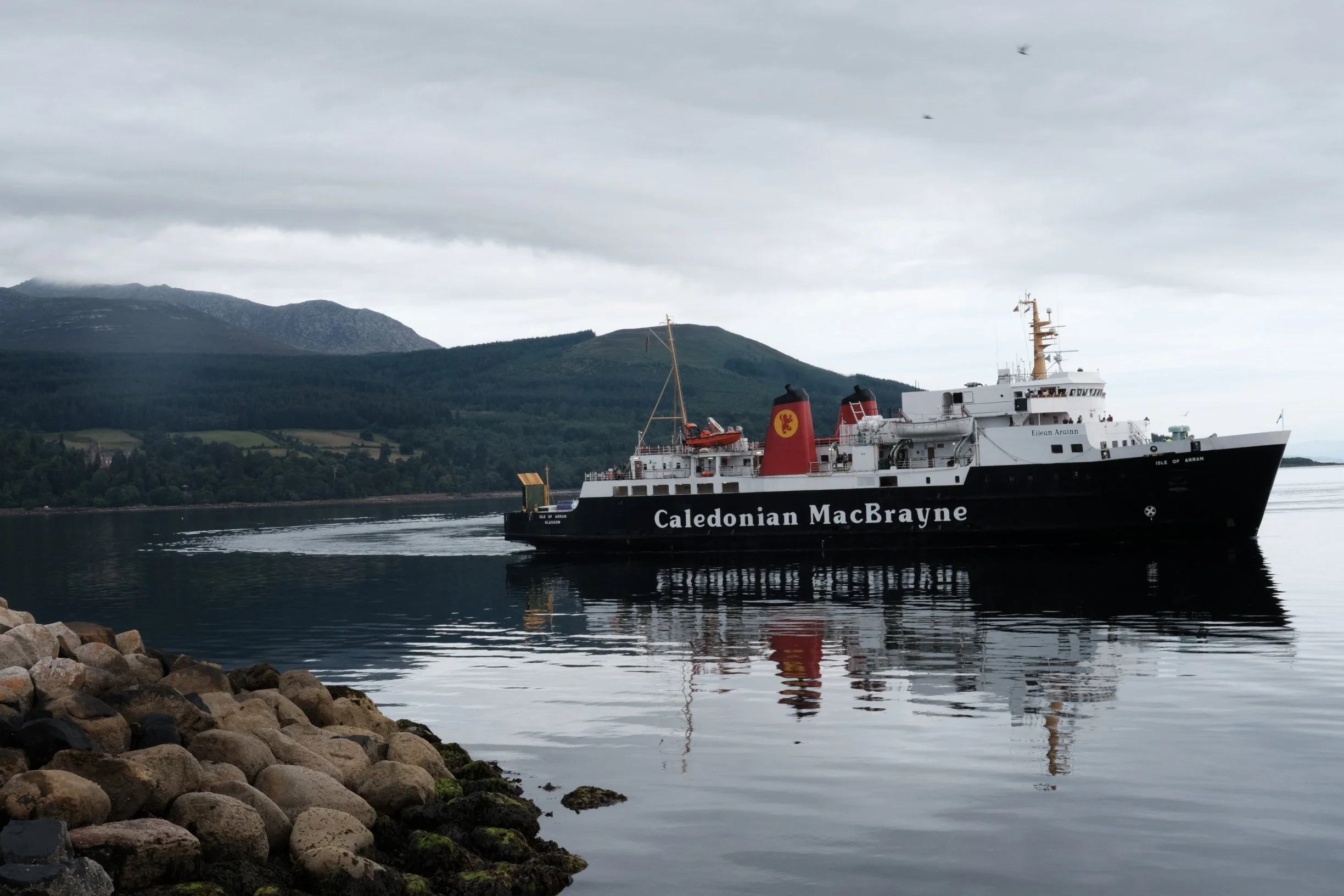
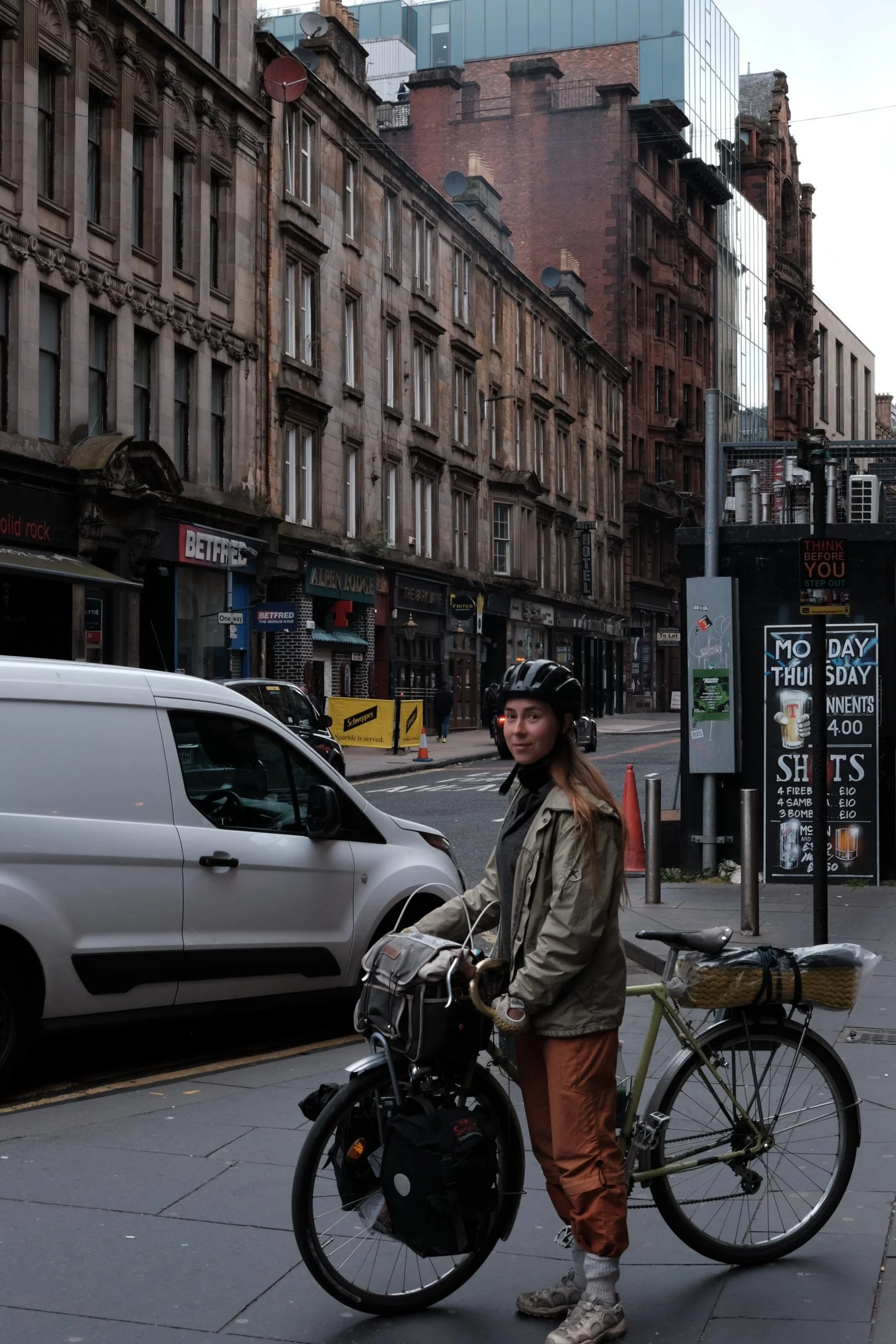
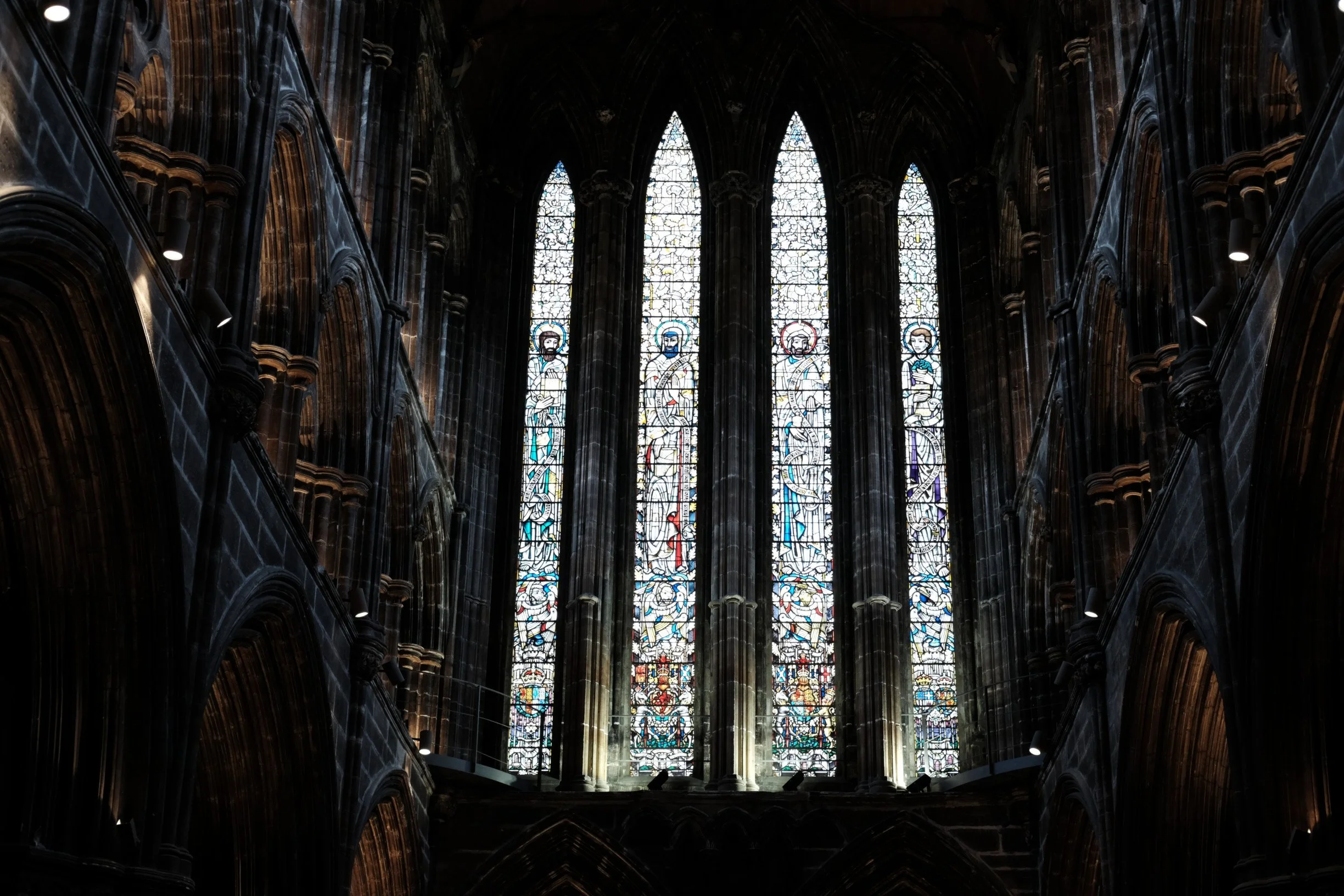
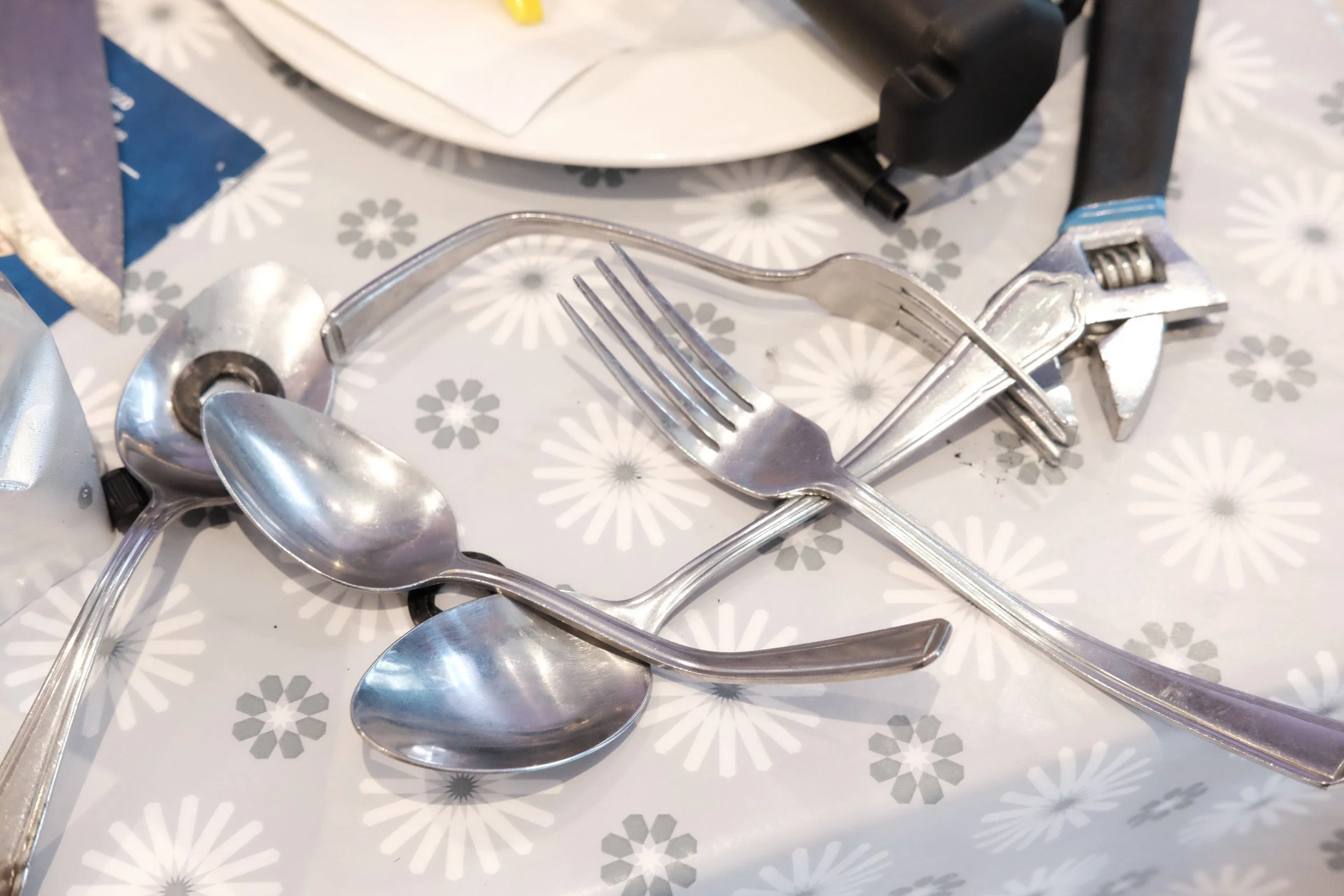
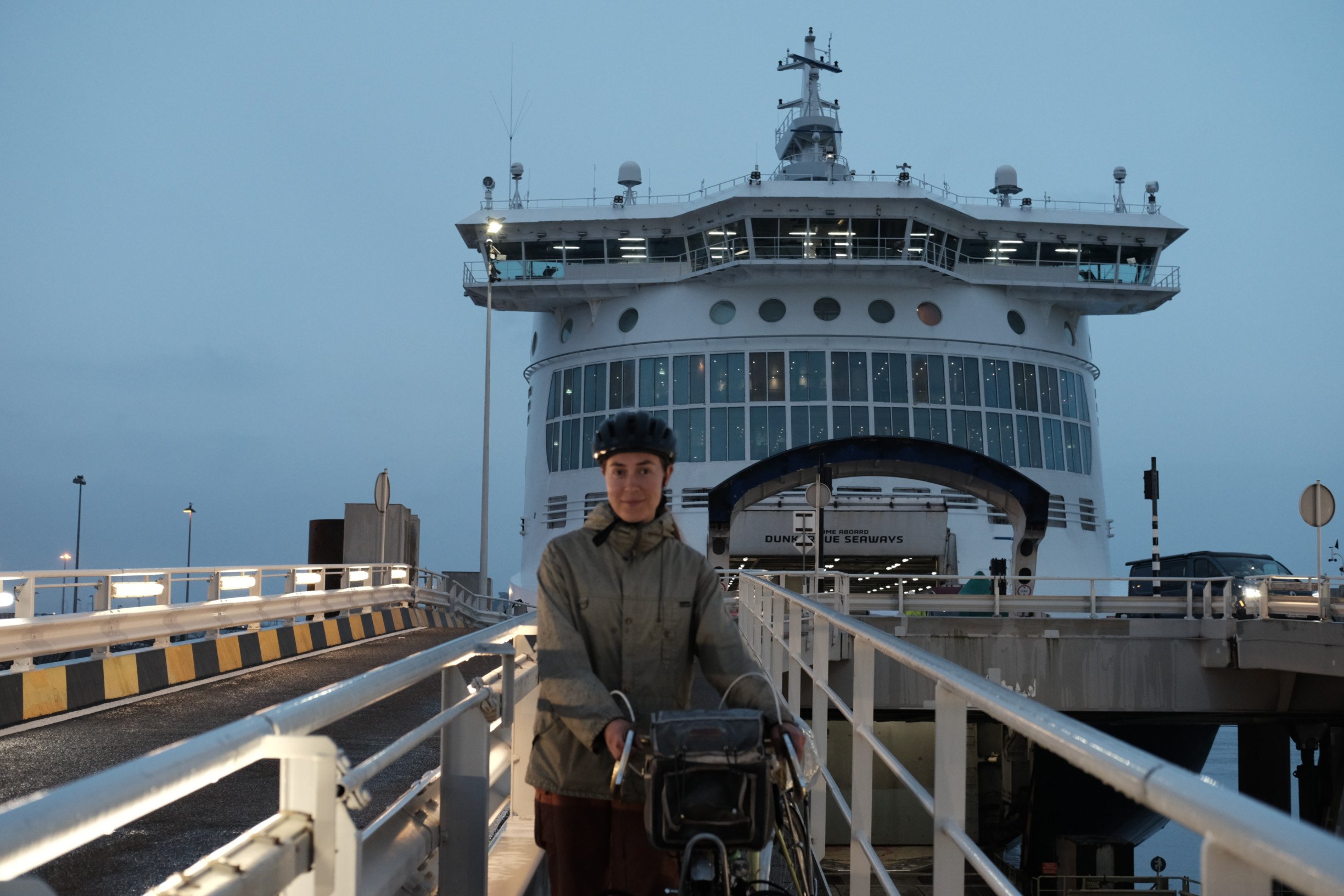
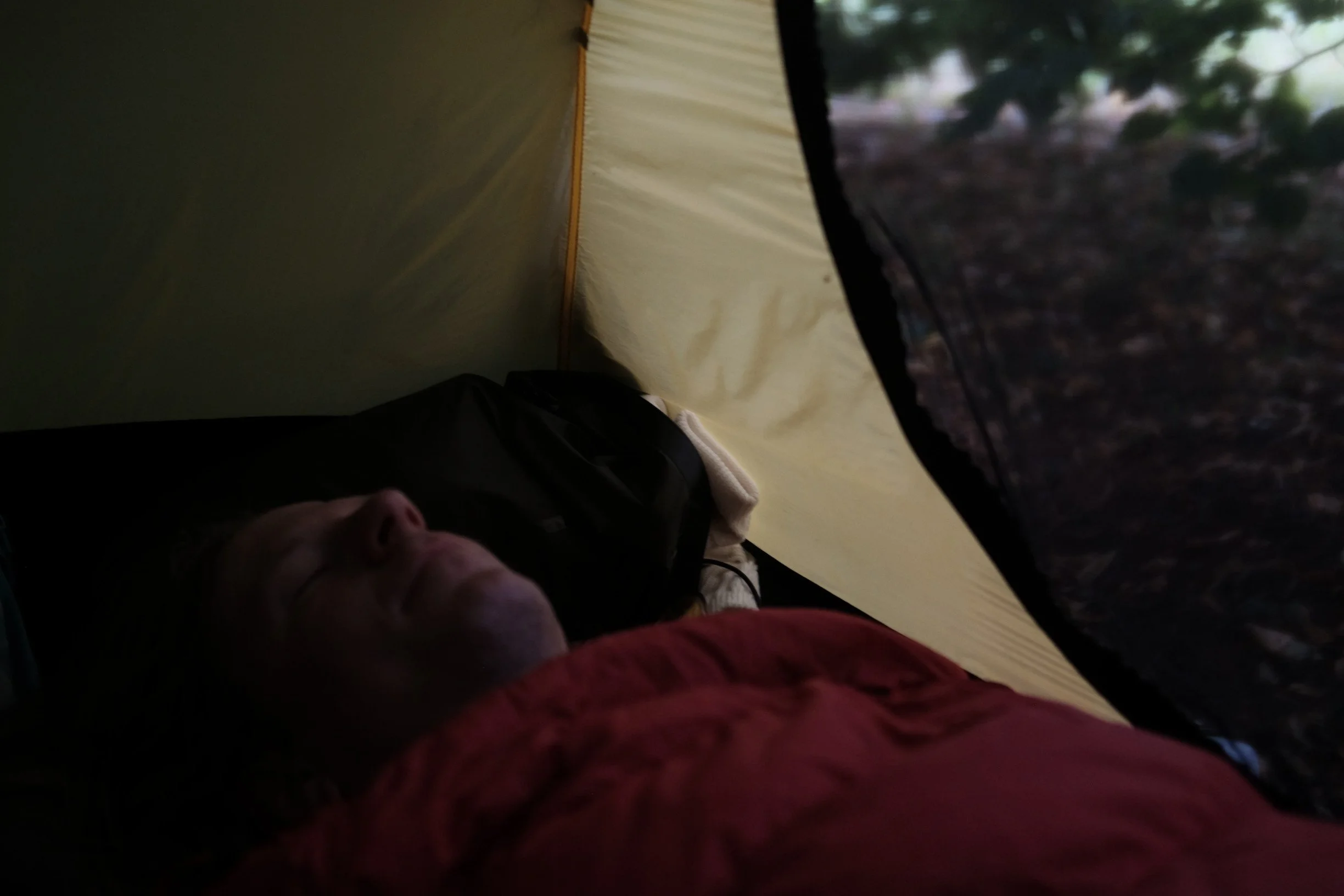
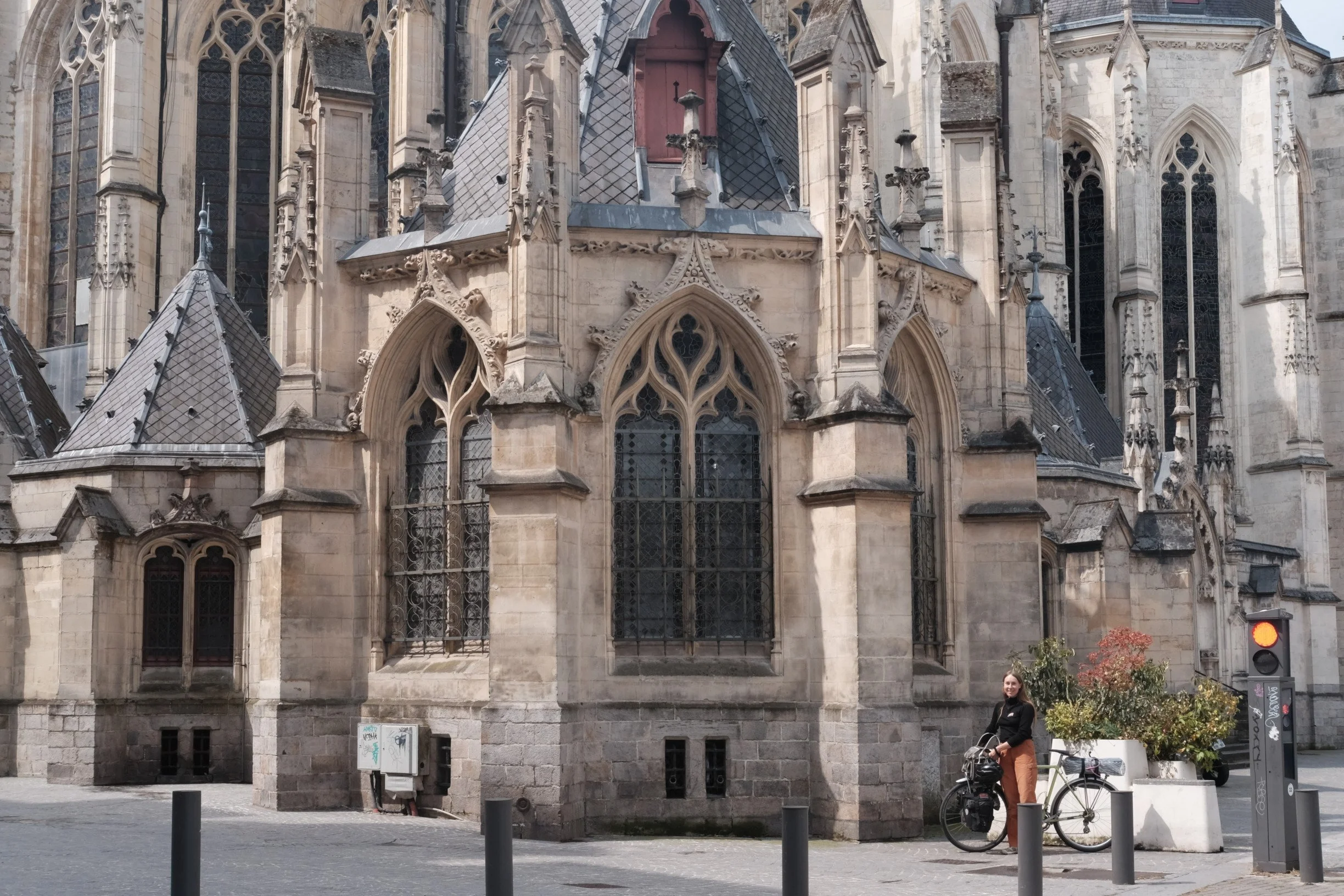
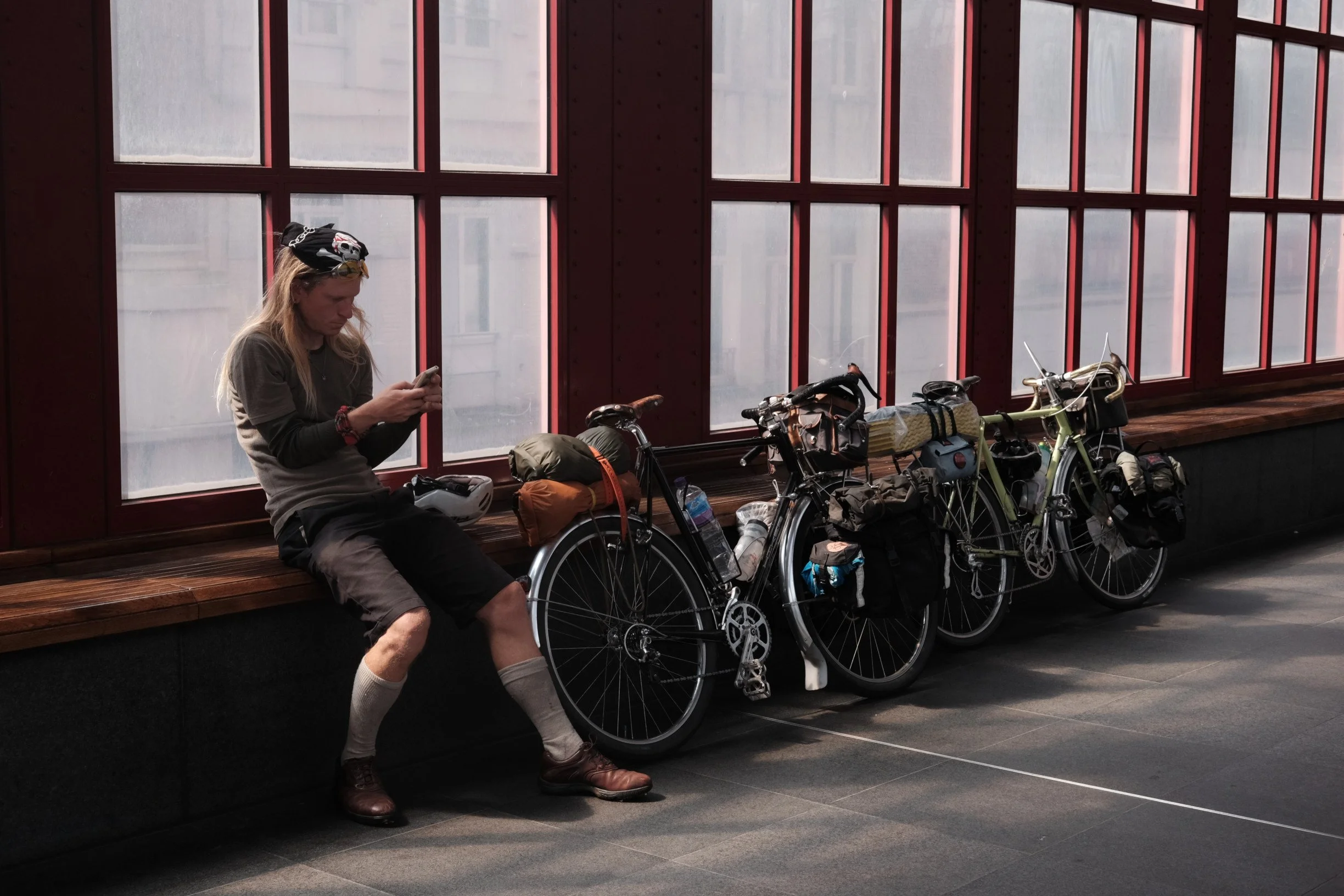

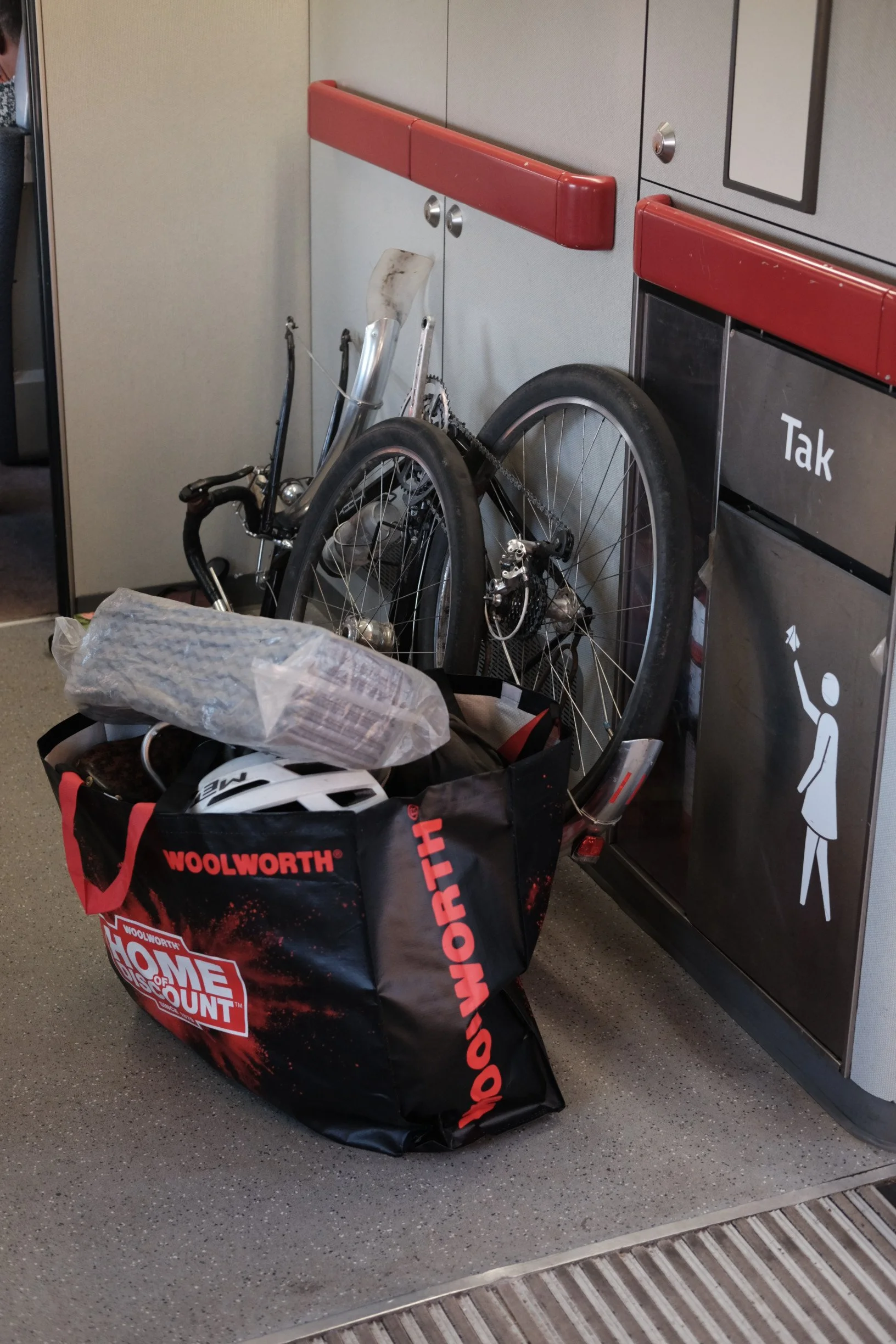
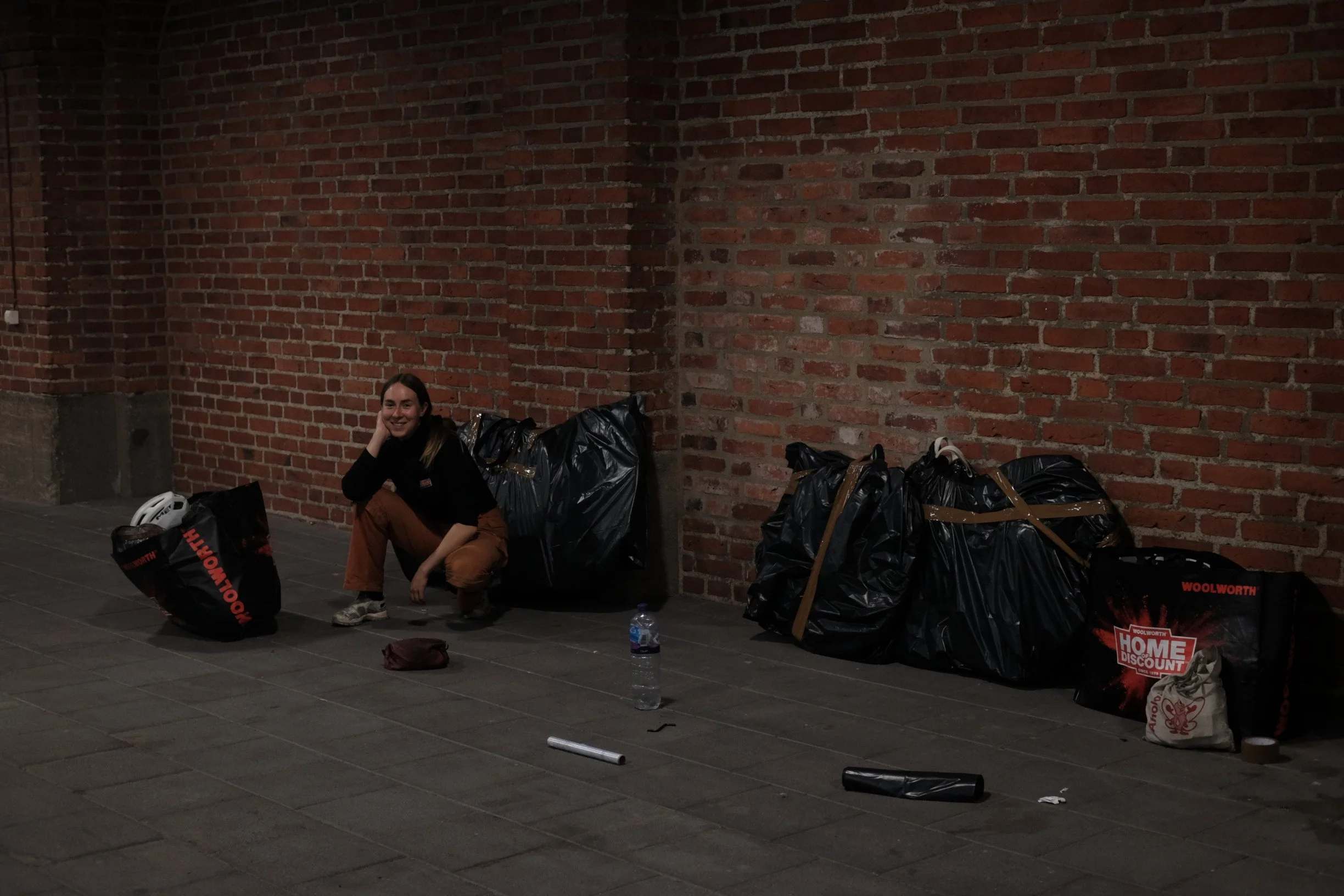
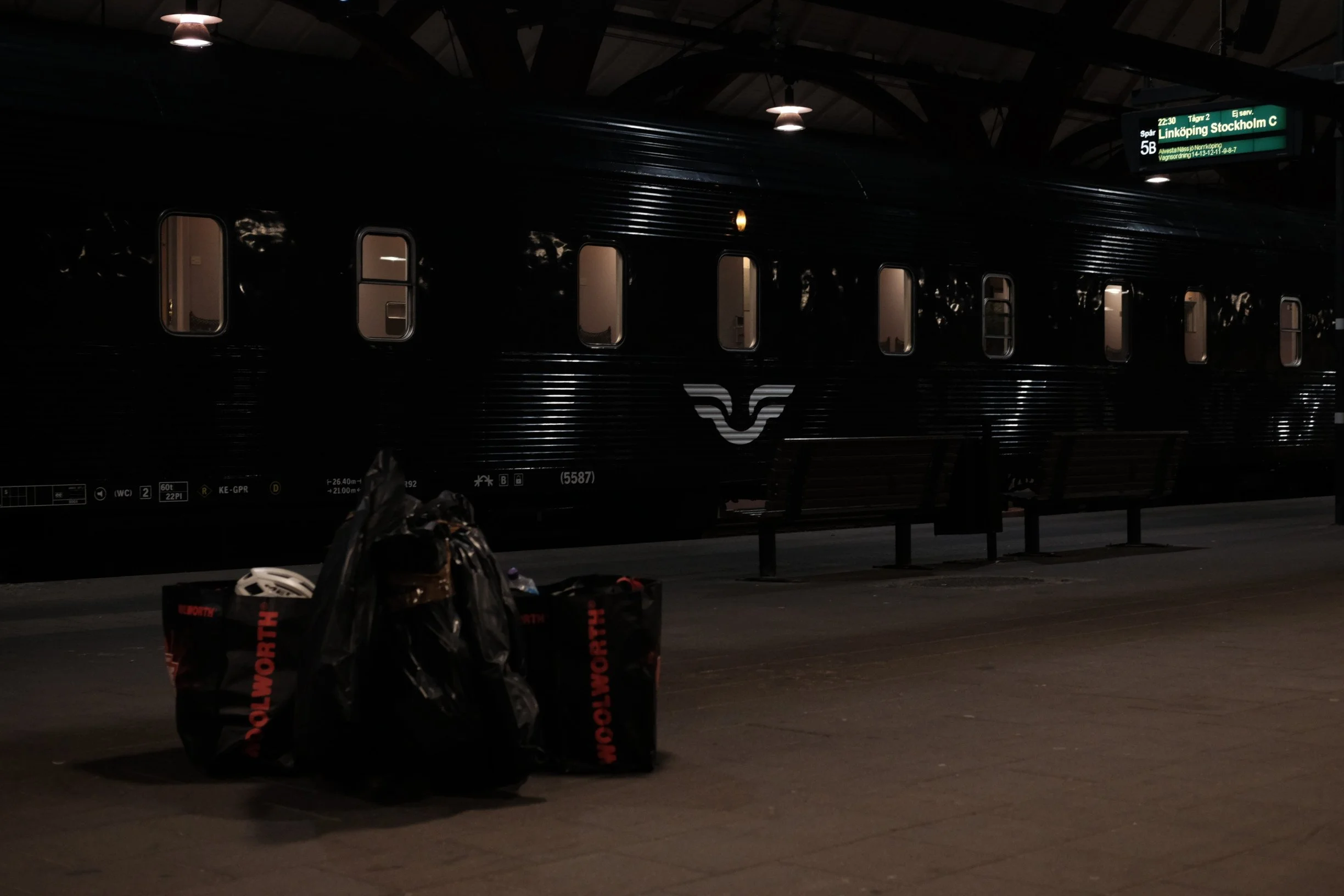
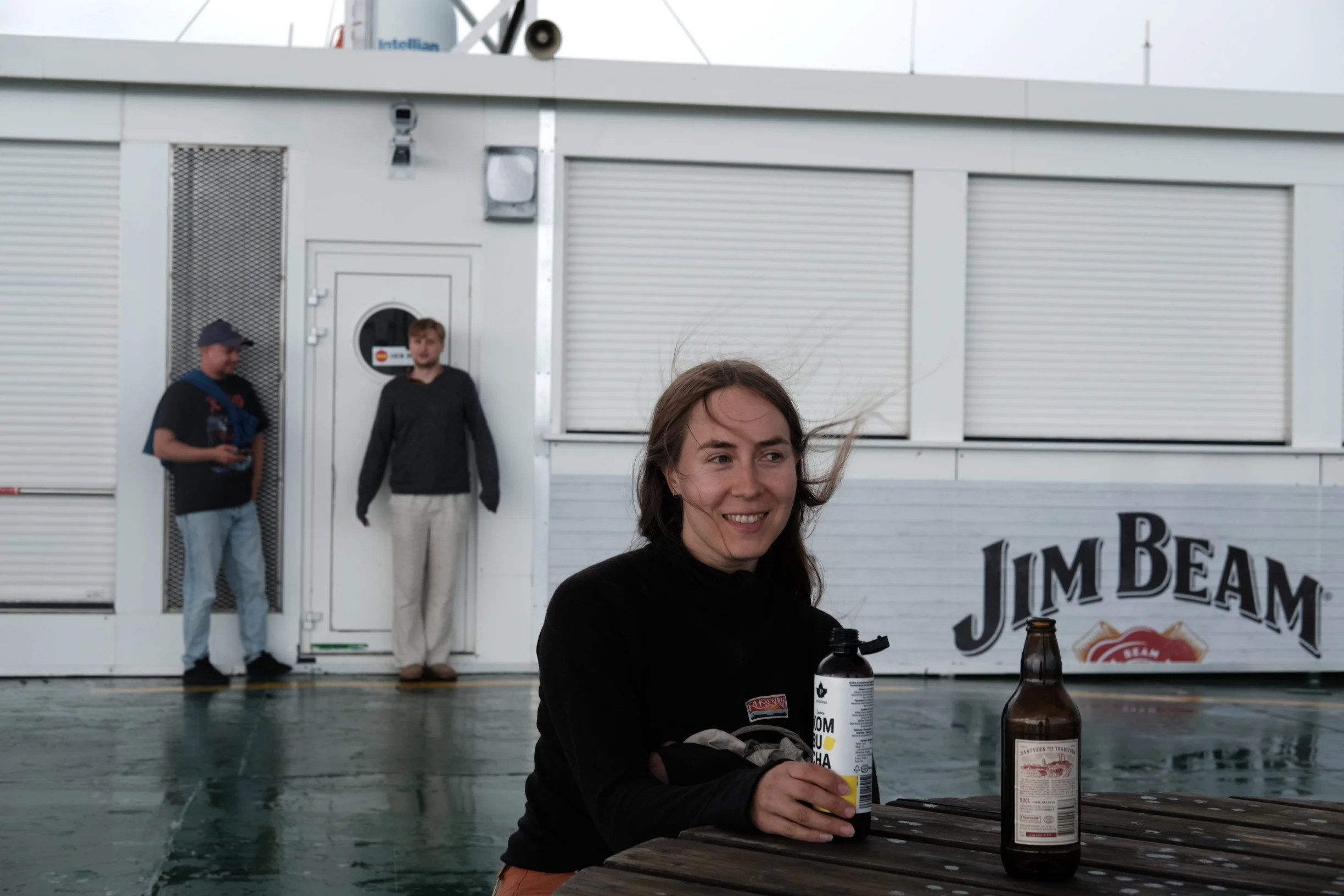
Digital photos mostly by Aki, some by Inka. Taken with Fuji X-T1, 35mm lens
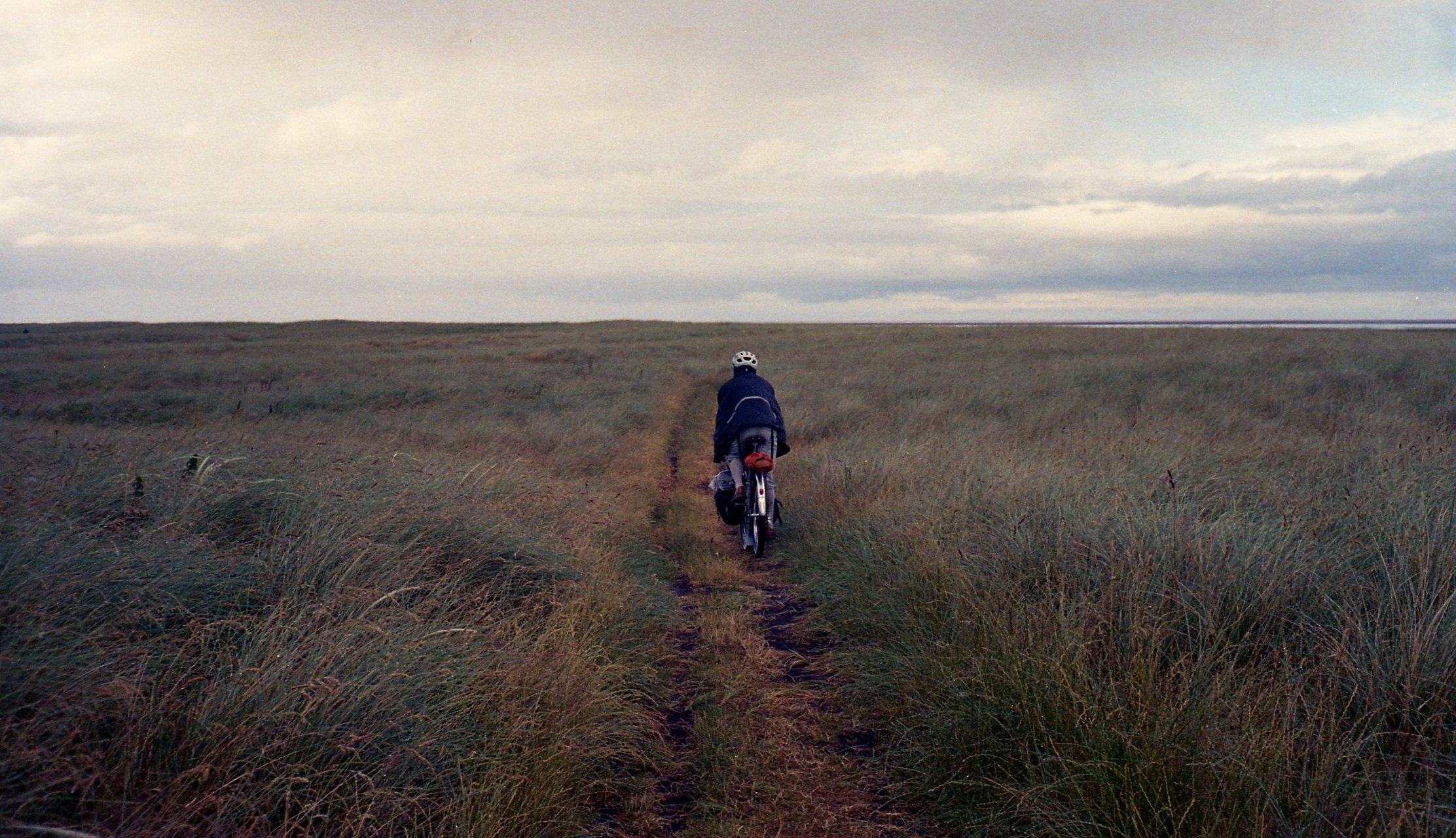
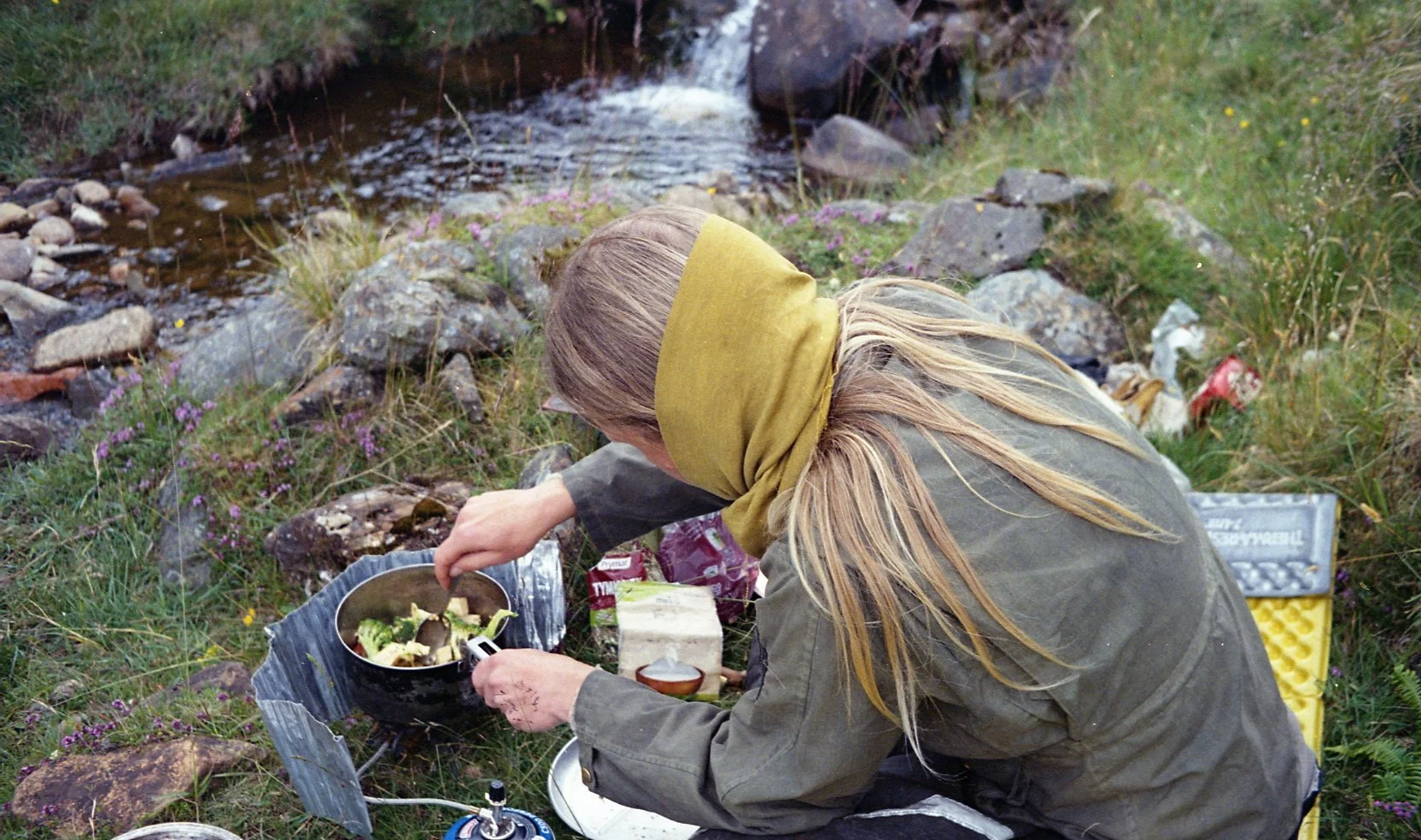
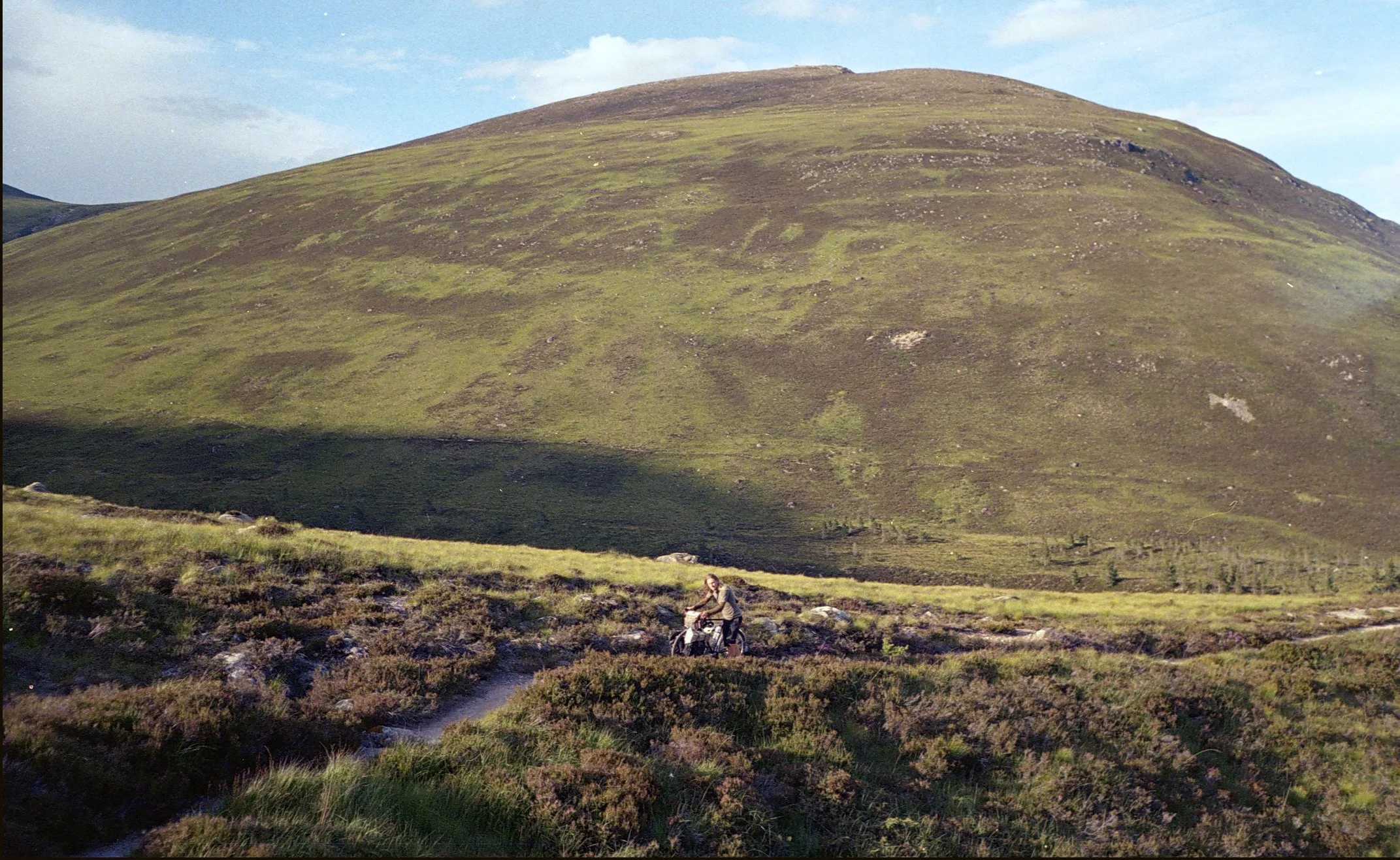
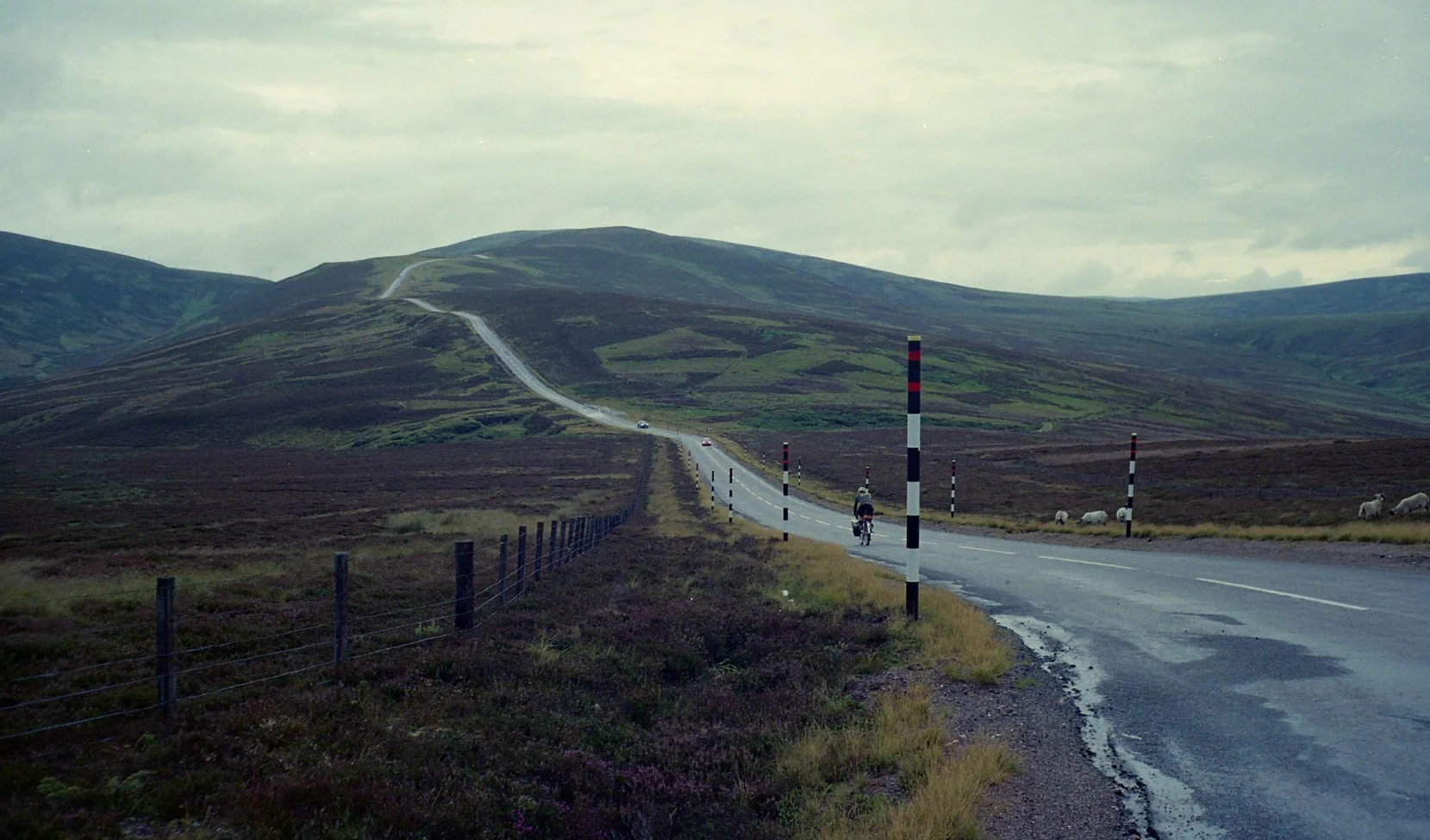
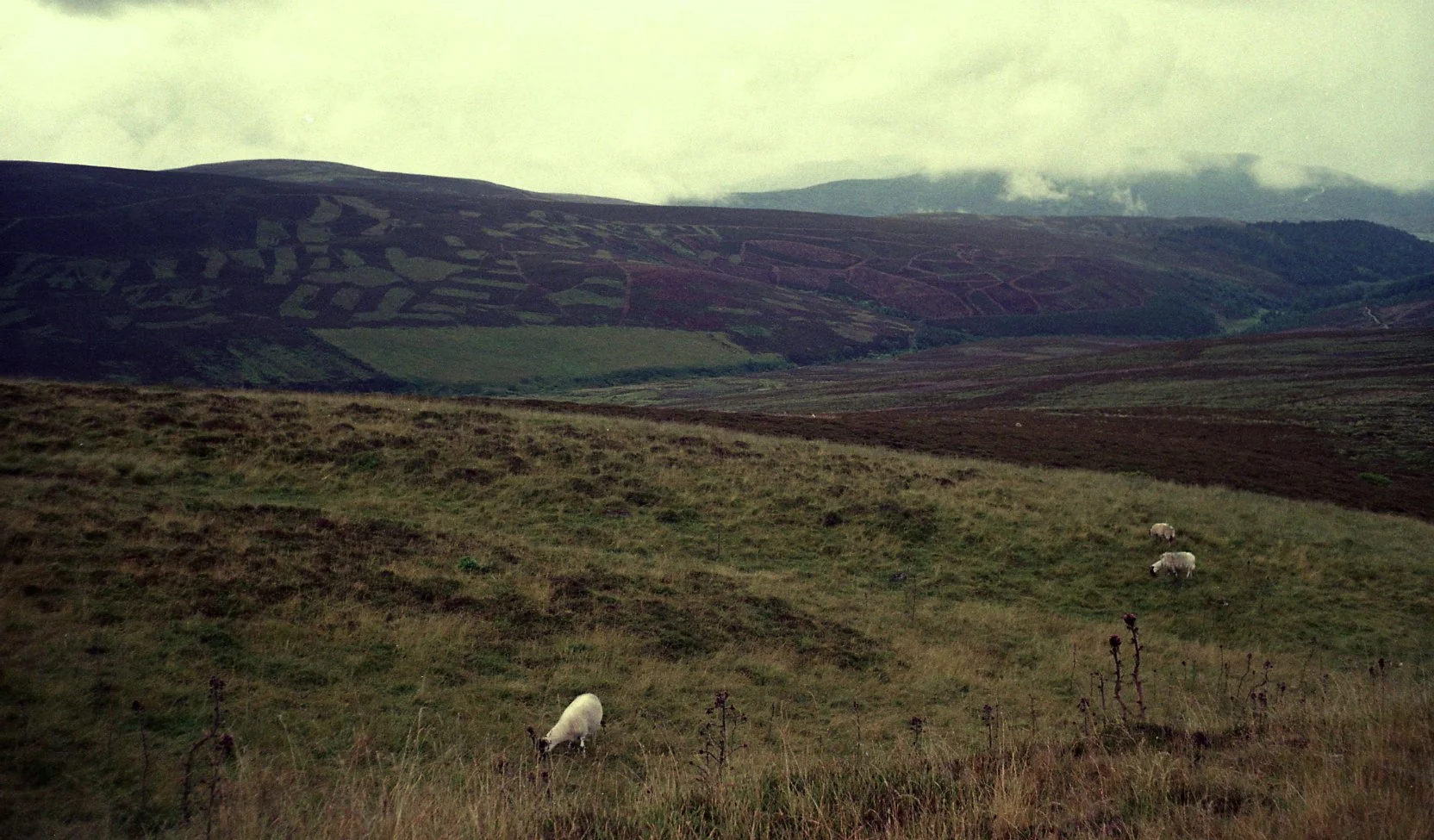
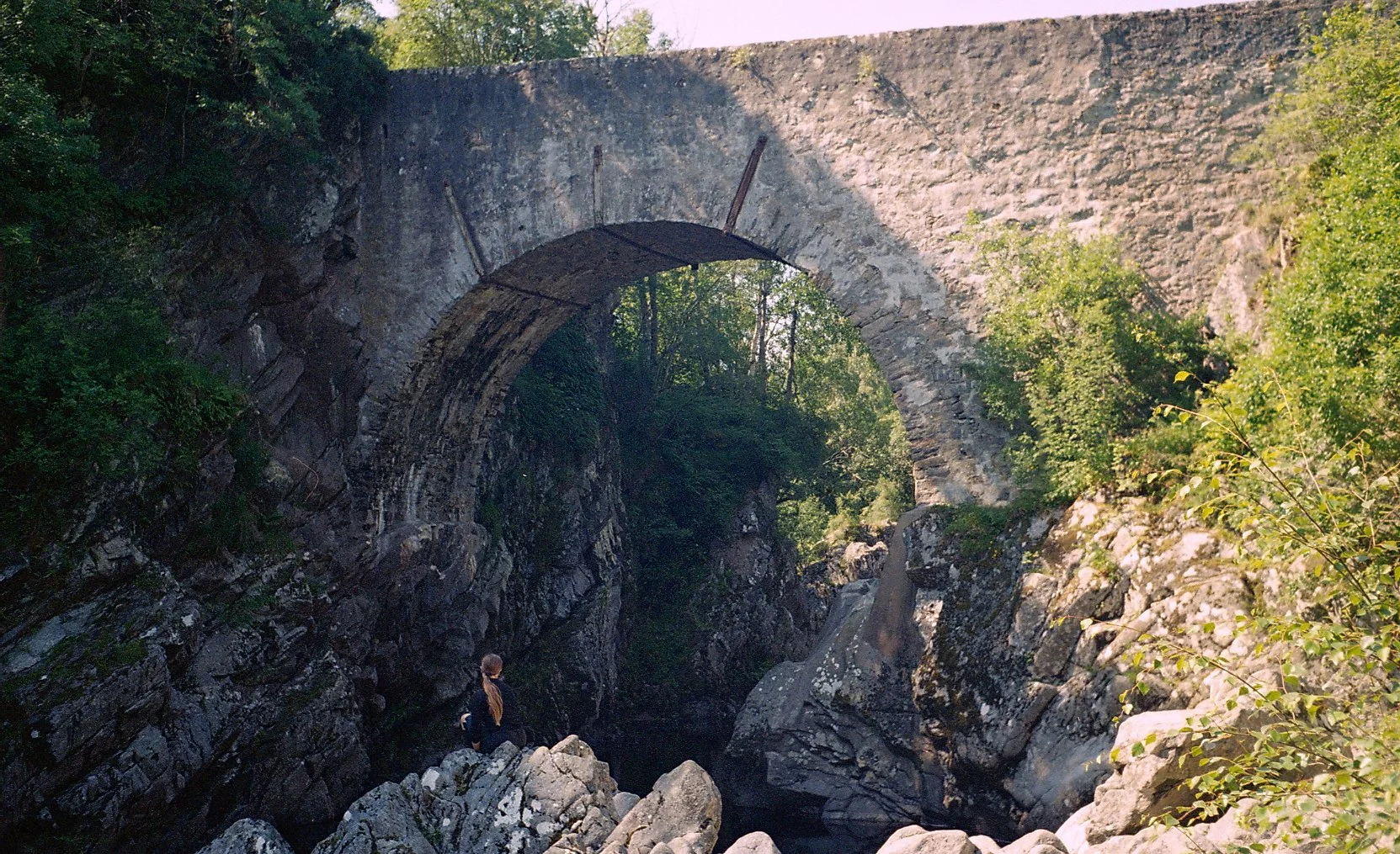
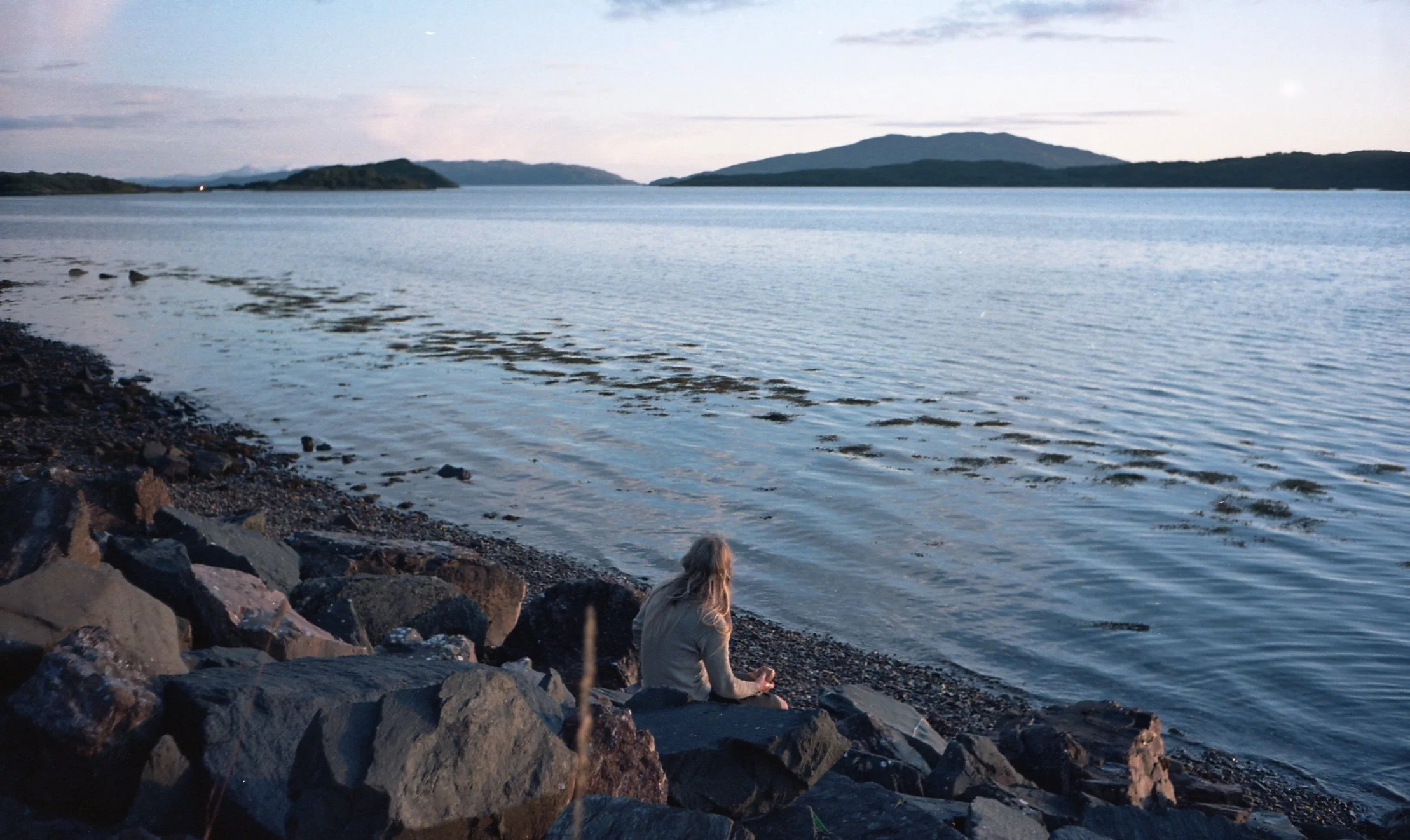
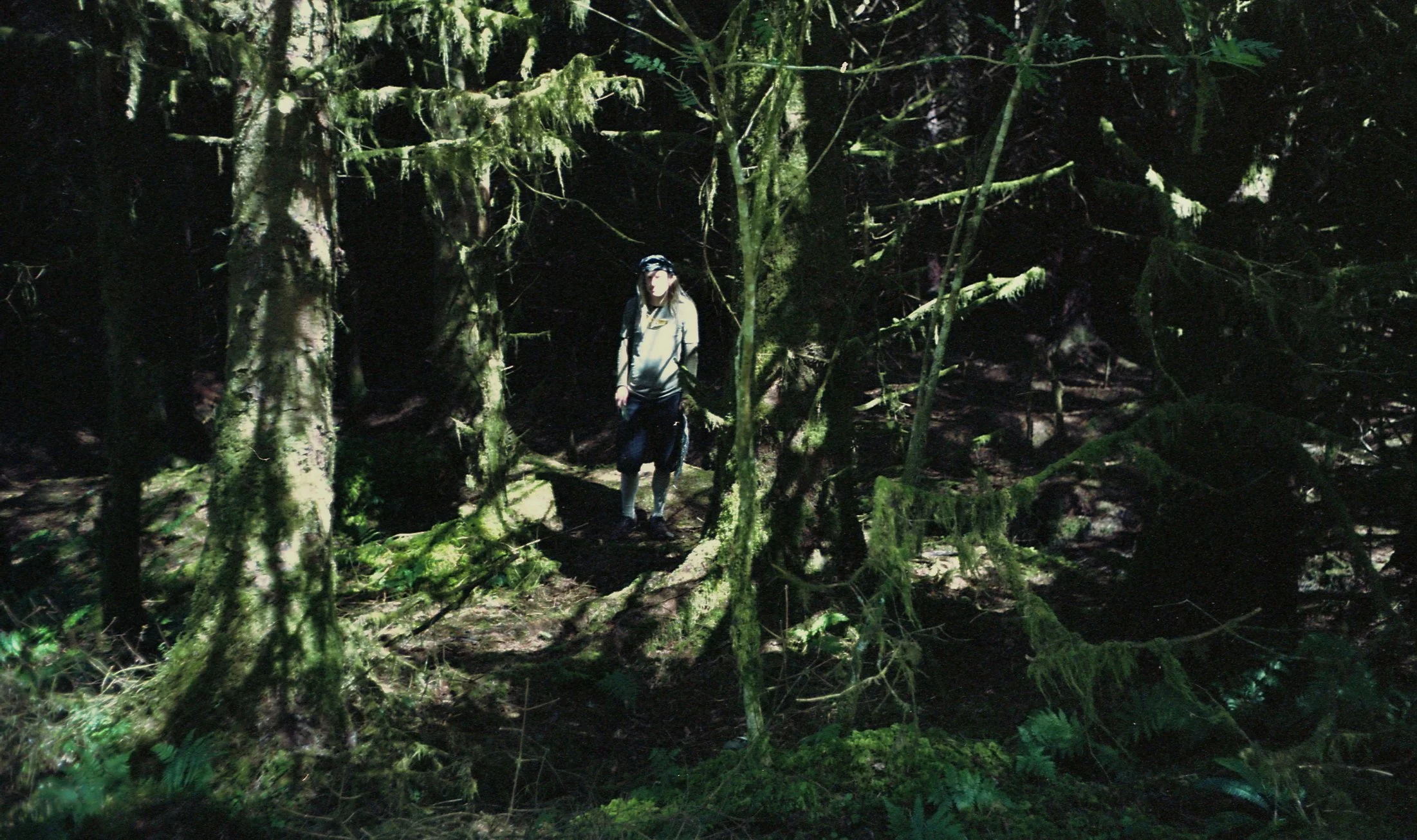
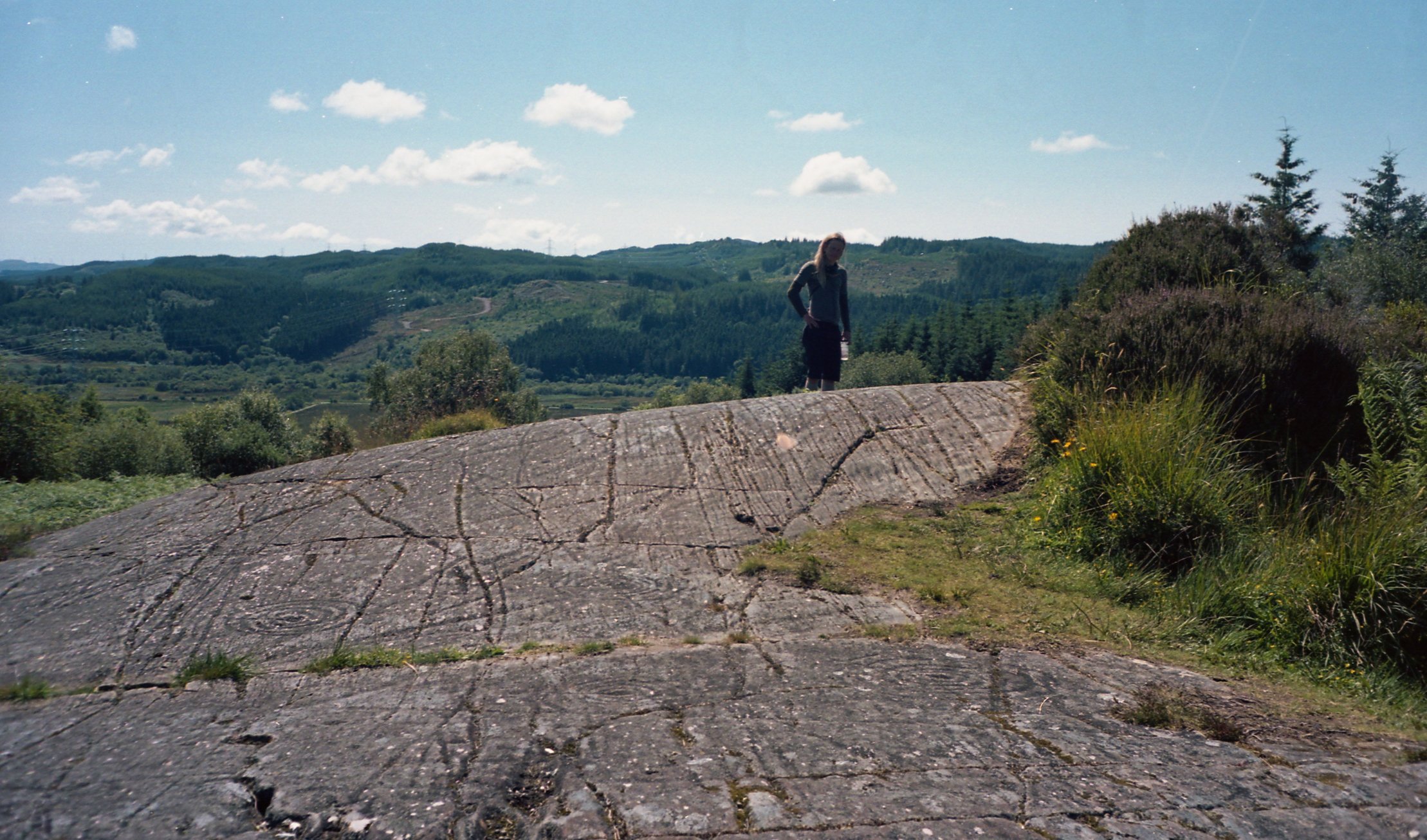
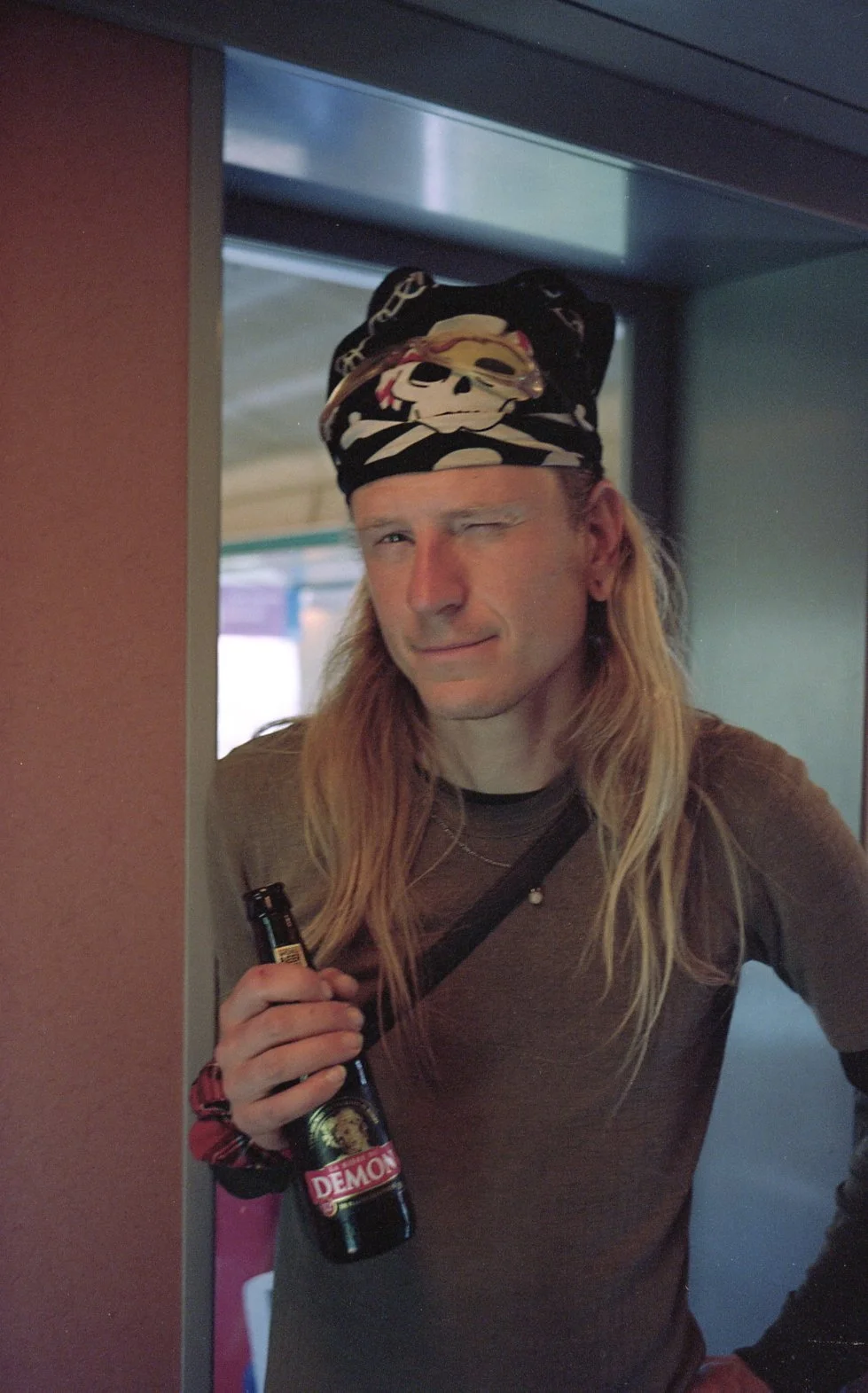
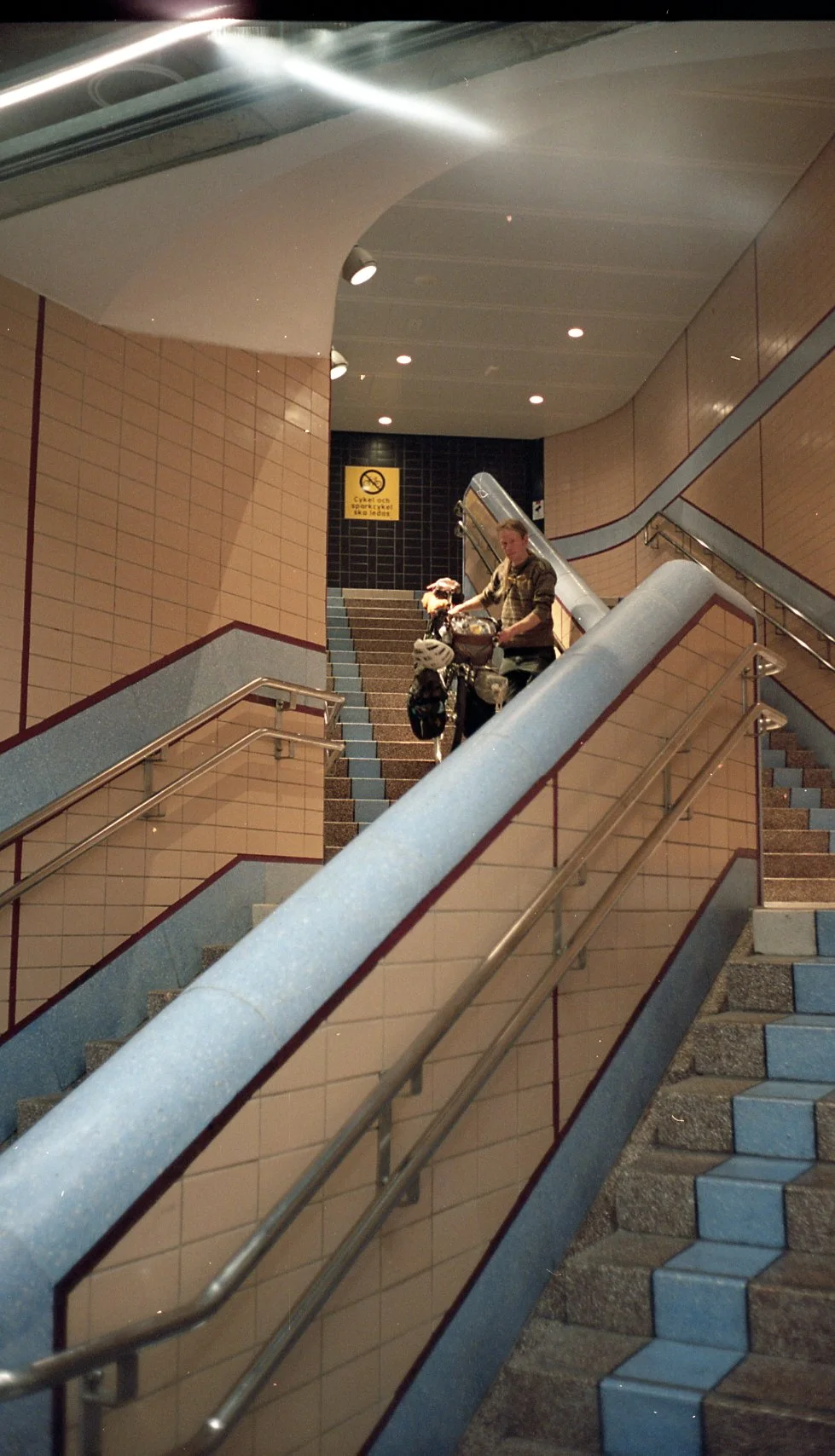
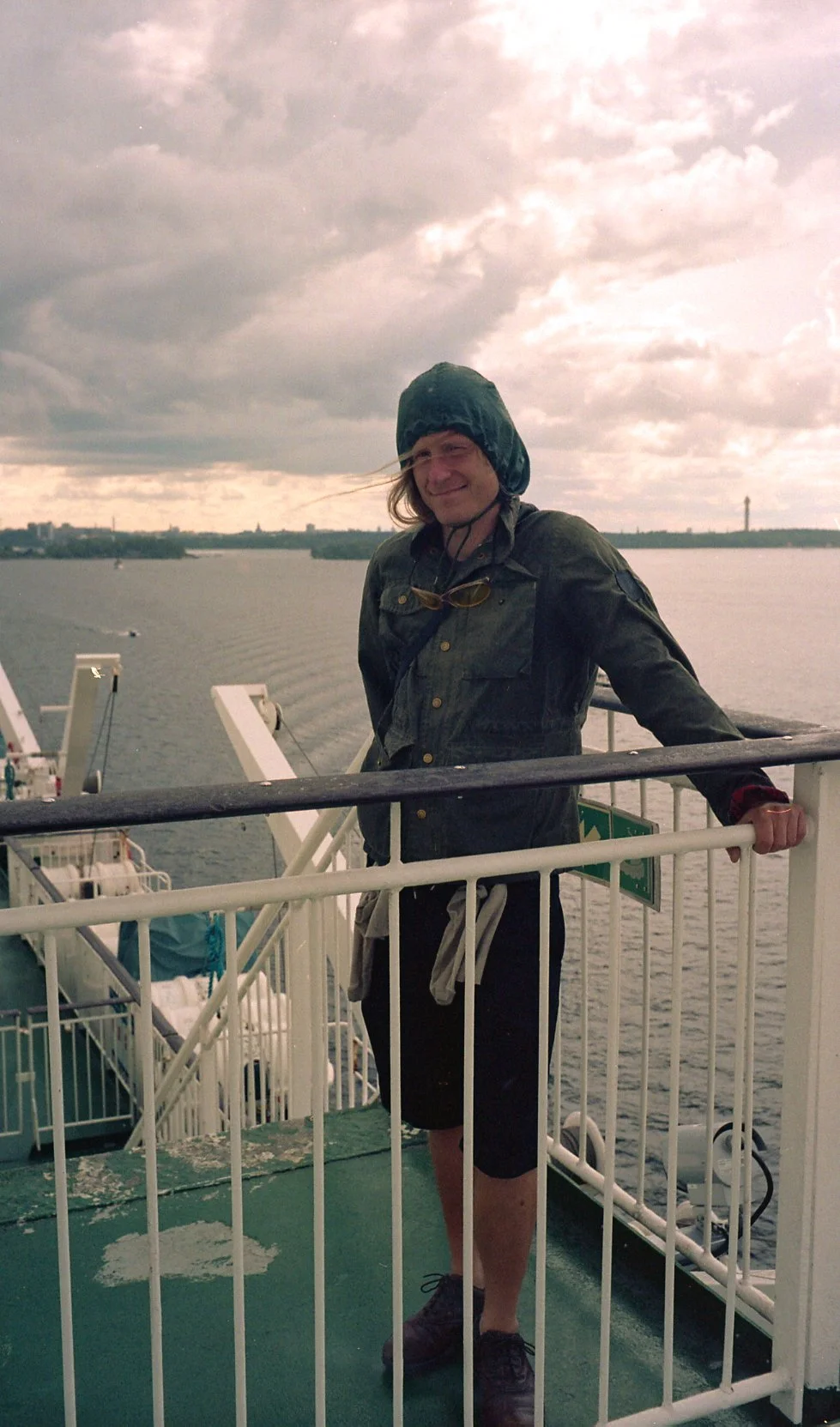
Film photos mostly by Inka, some by Aki. Taken with Minox ML35 & Kodak Portra 400
As the title suggests, this trip was made already some time ago. But for one reason or another, a reportage was never finished and the pictures have sat on hard drives ever since. So let them be freed and shown to the people!
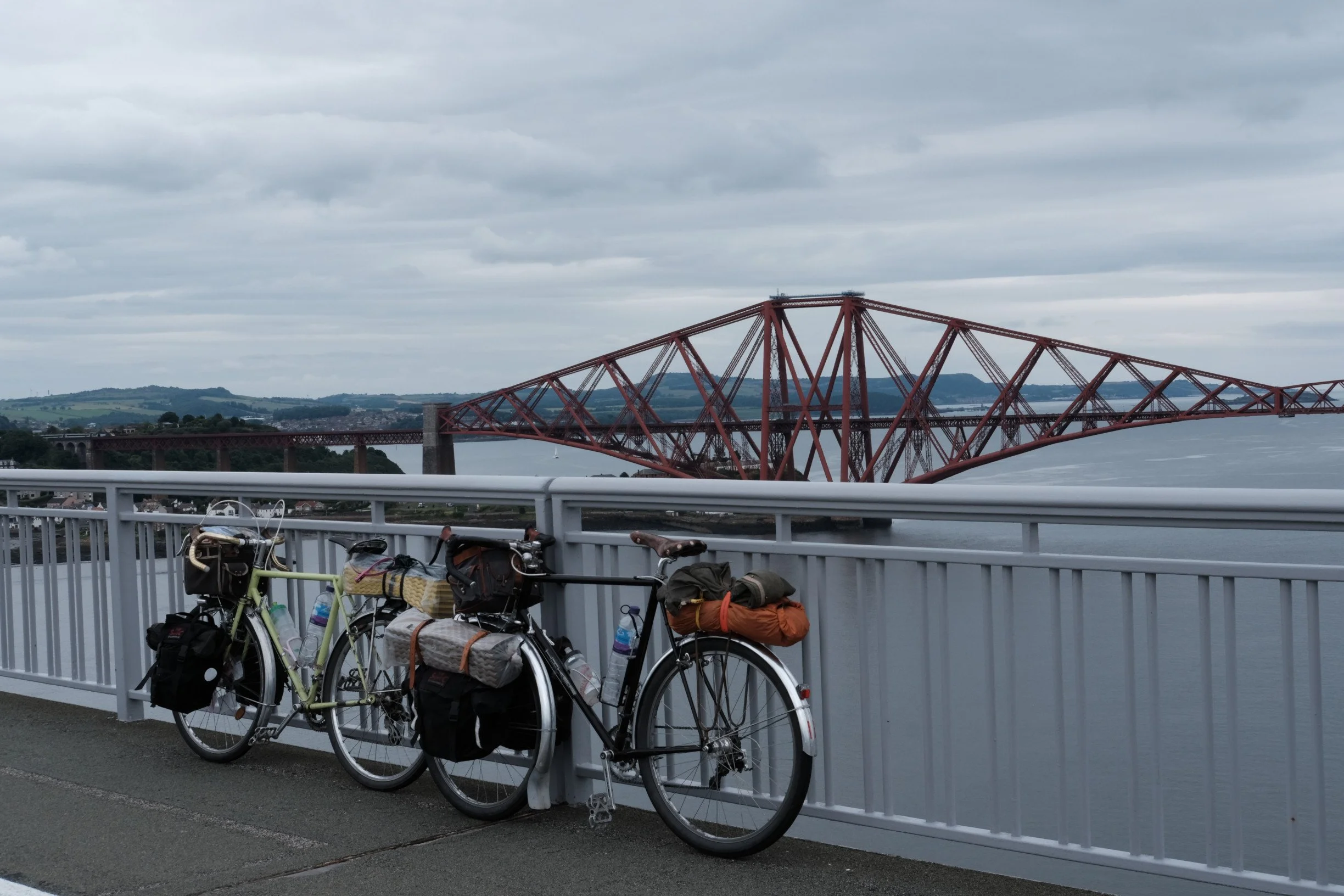
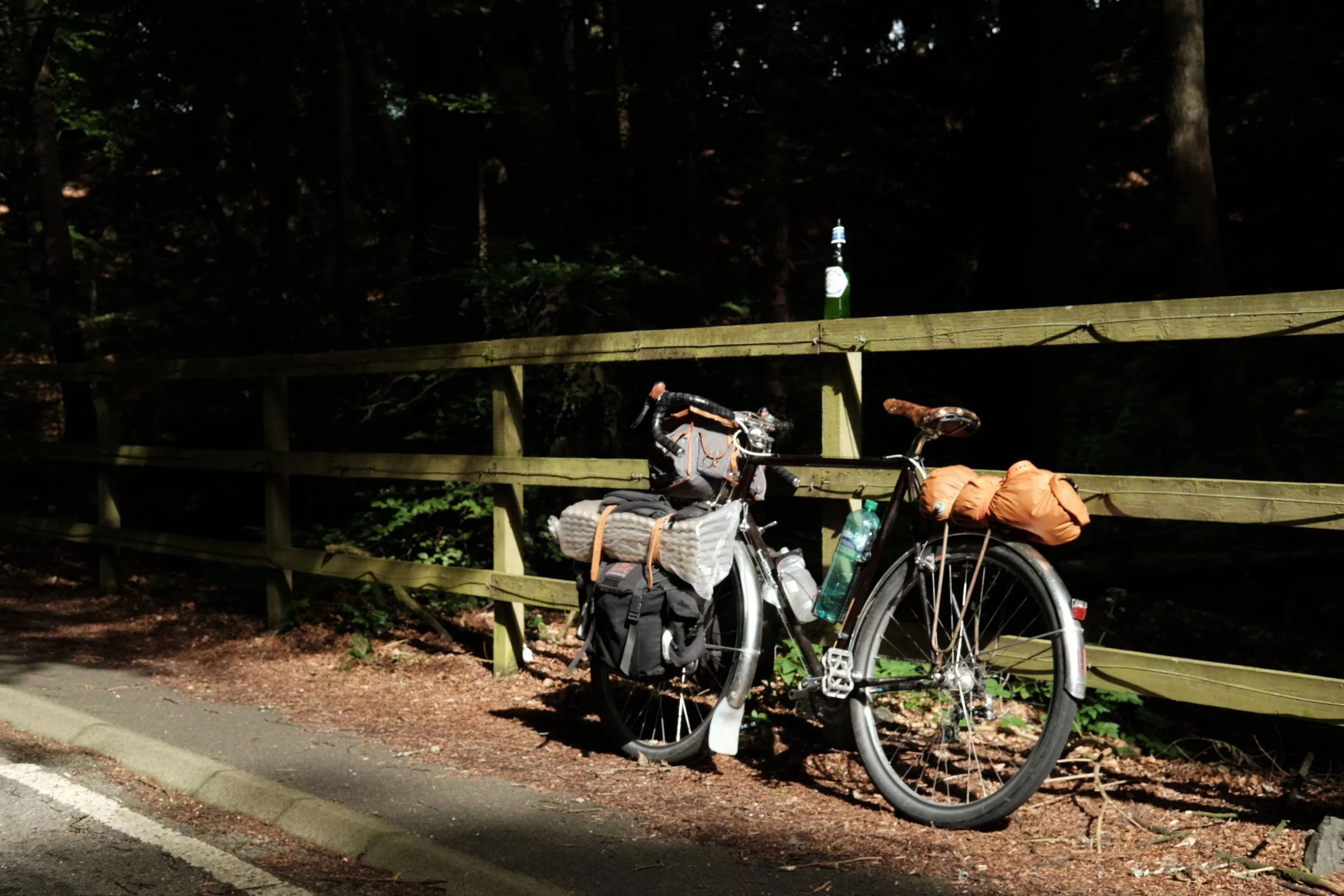
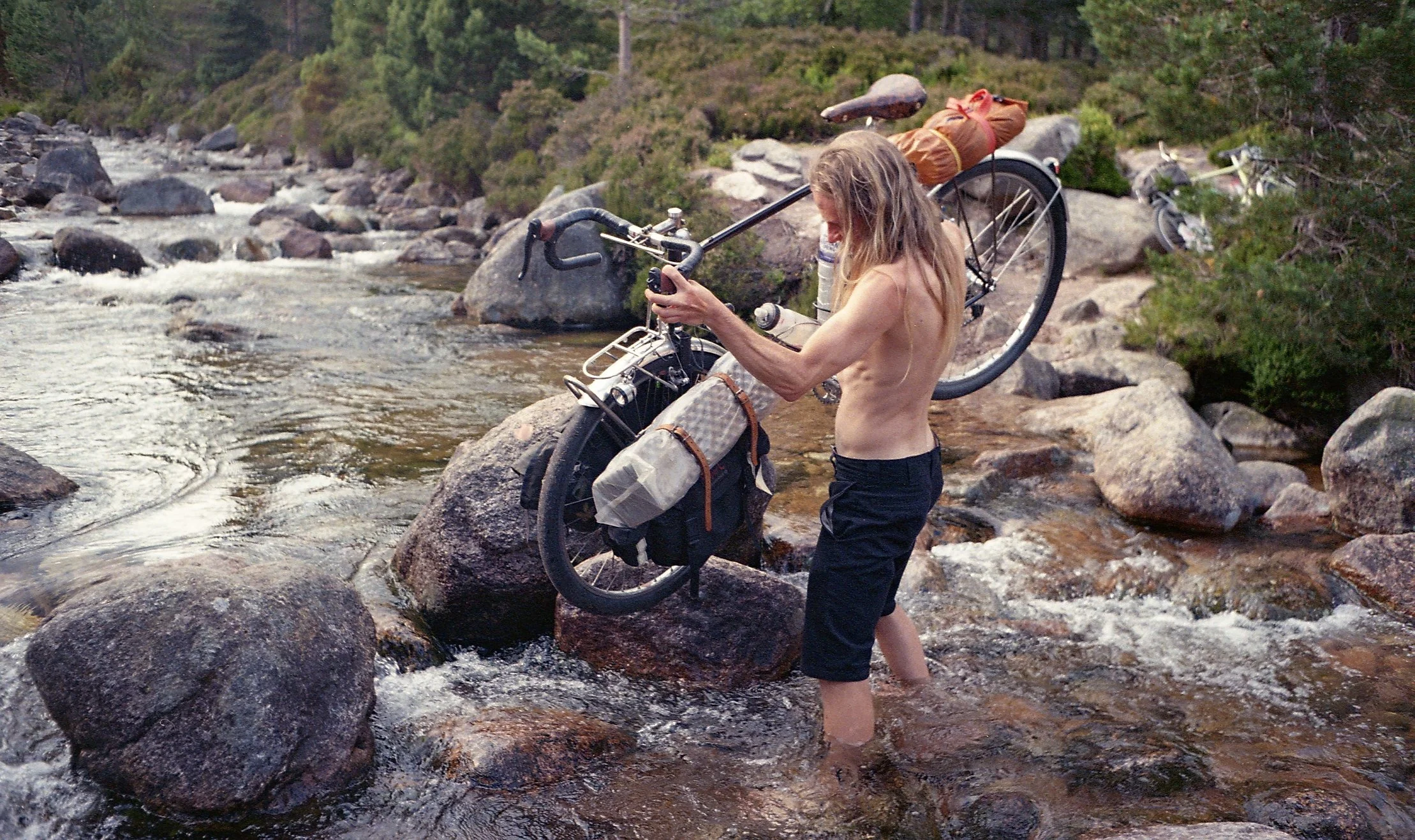
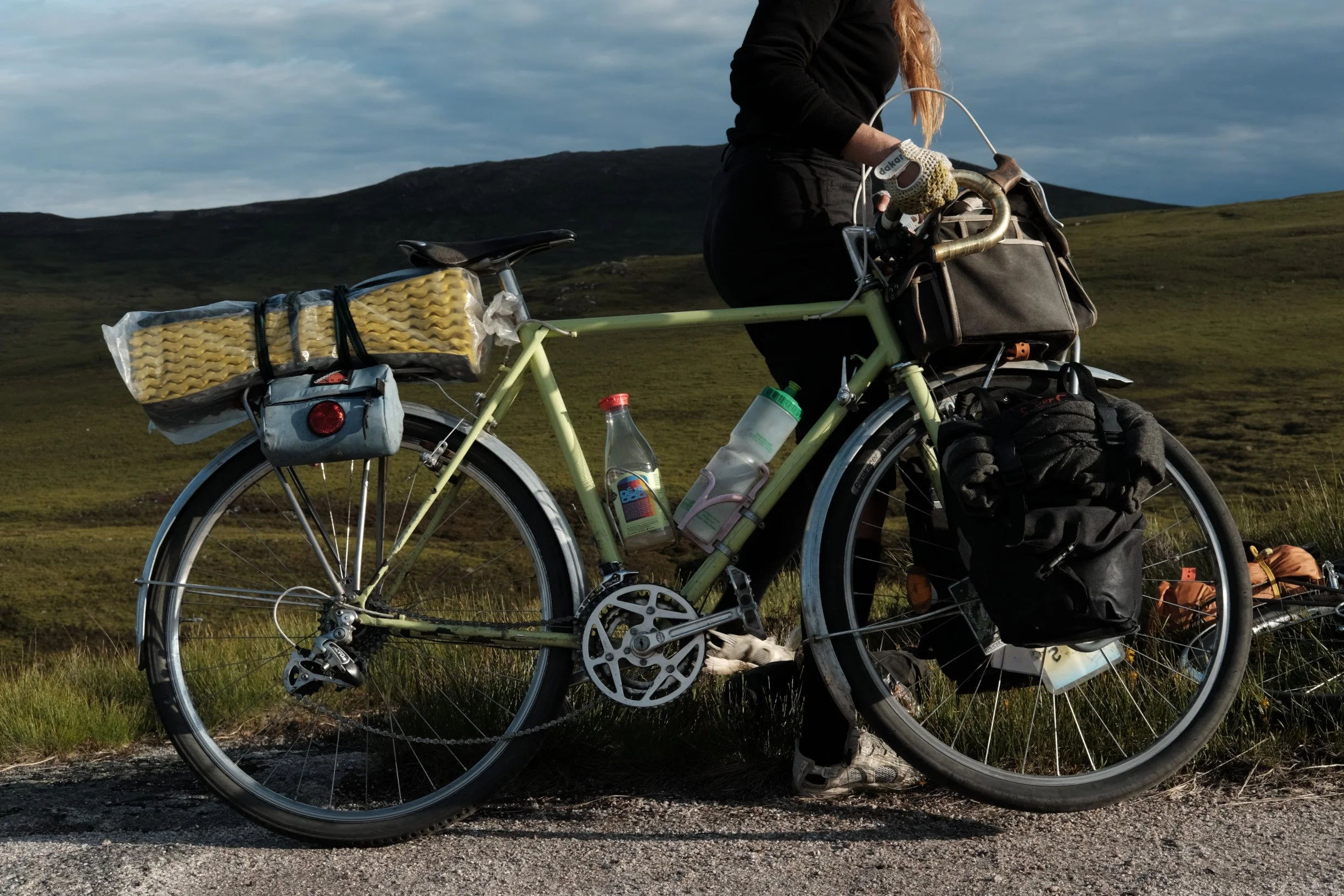
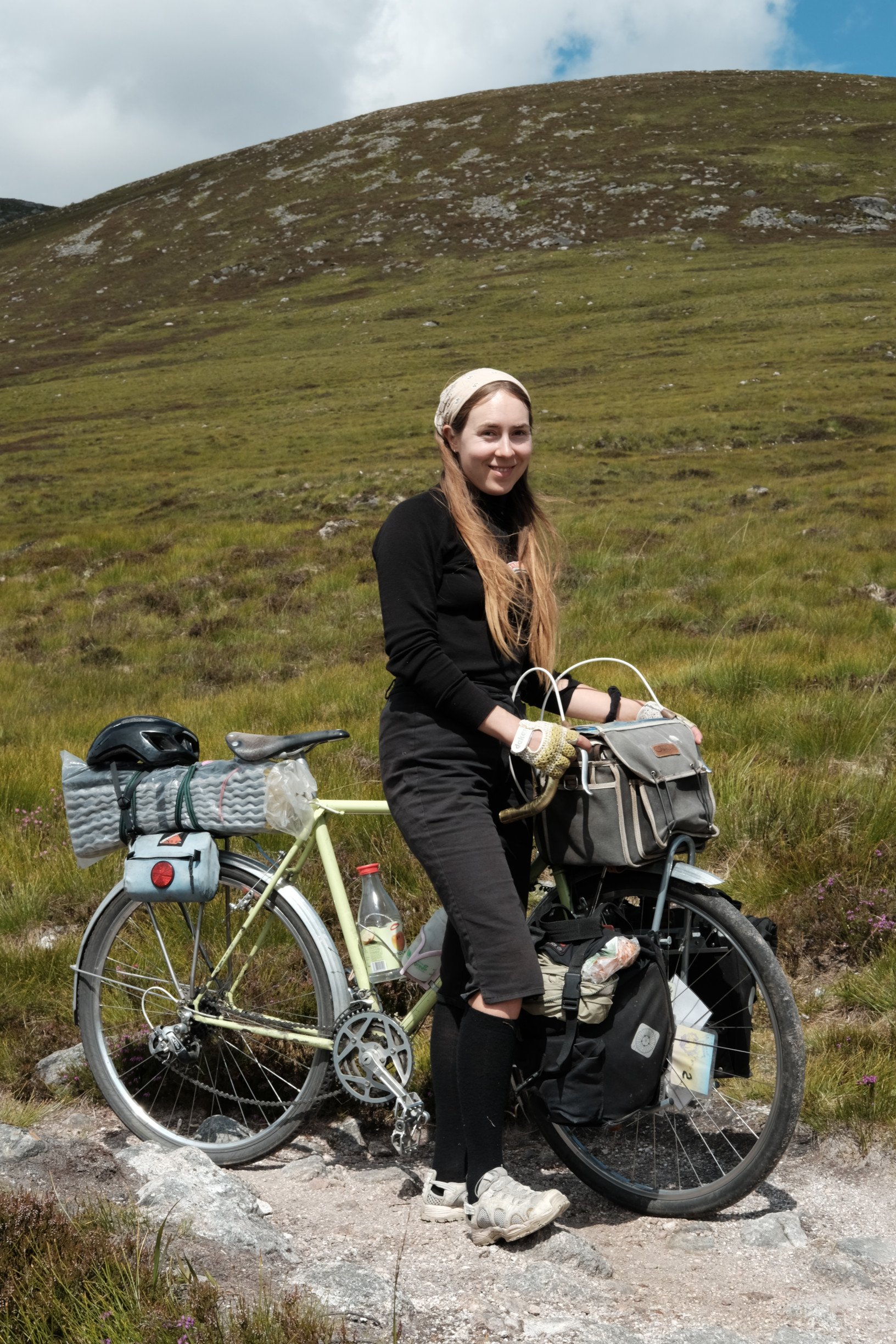
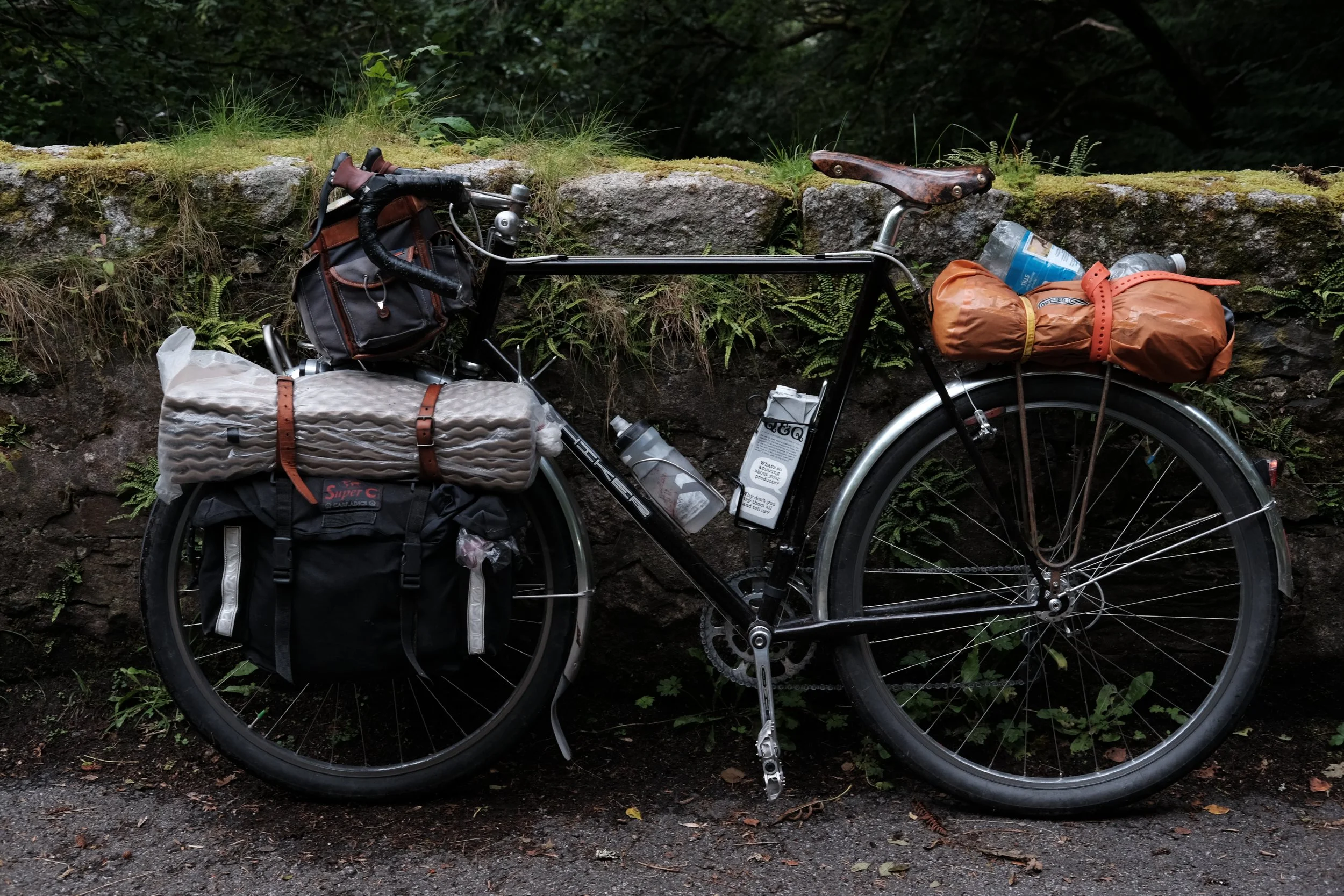
This was also a test for the new (at the time) Hike-Use prototype frame, from the 3rd generation prototypes we had received from Fort a few months earlier. It had already proven itself in daily use and on long hikes, but not on a ‘grand tour’ like this. No modifications as such were made, except adding a front lowrider rack and figuring out the packing. The bike worked very well even in loaded touring over an extended period, and has since been used on multiple tours with mostly the same outfit.
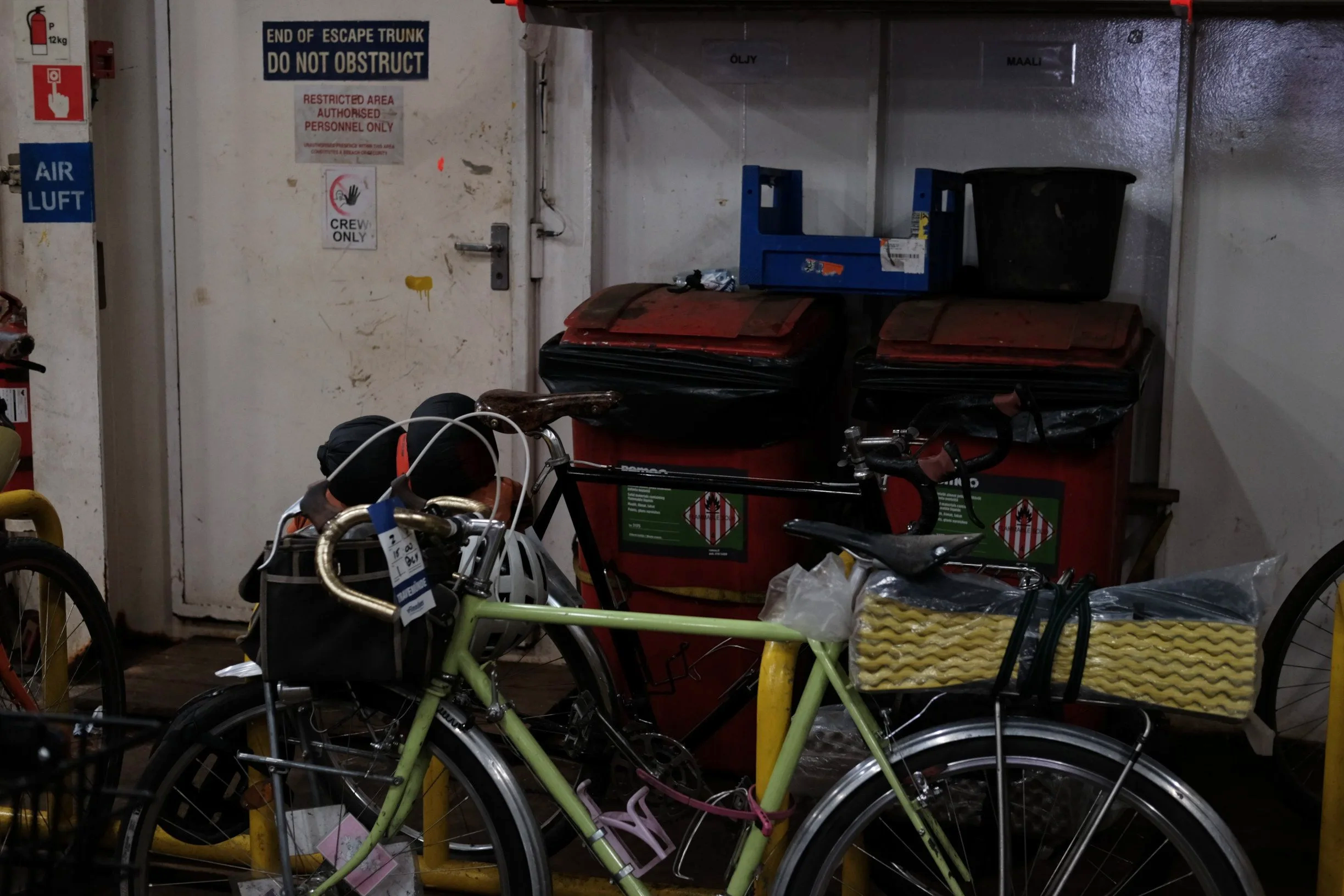
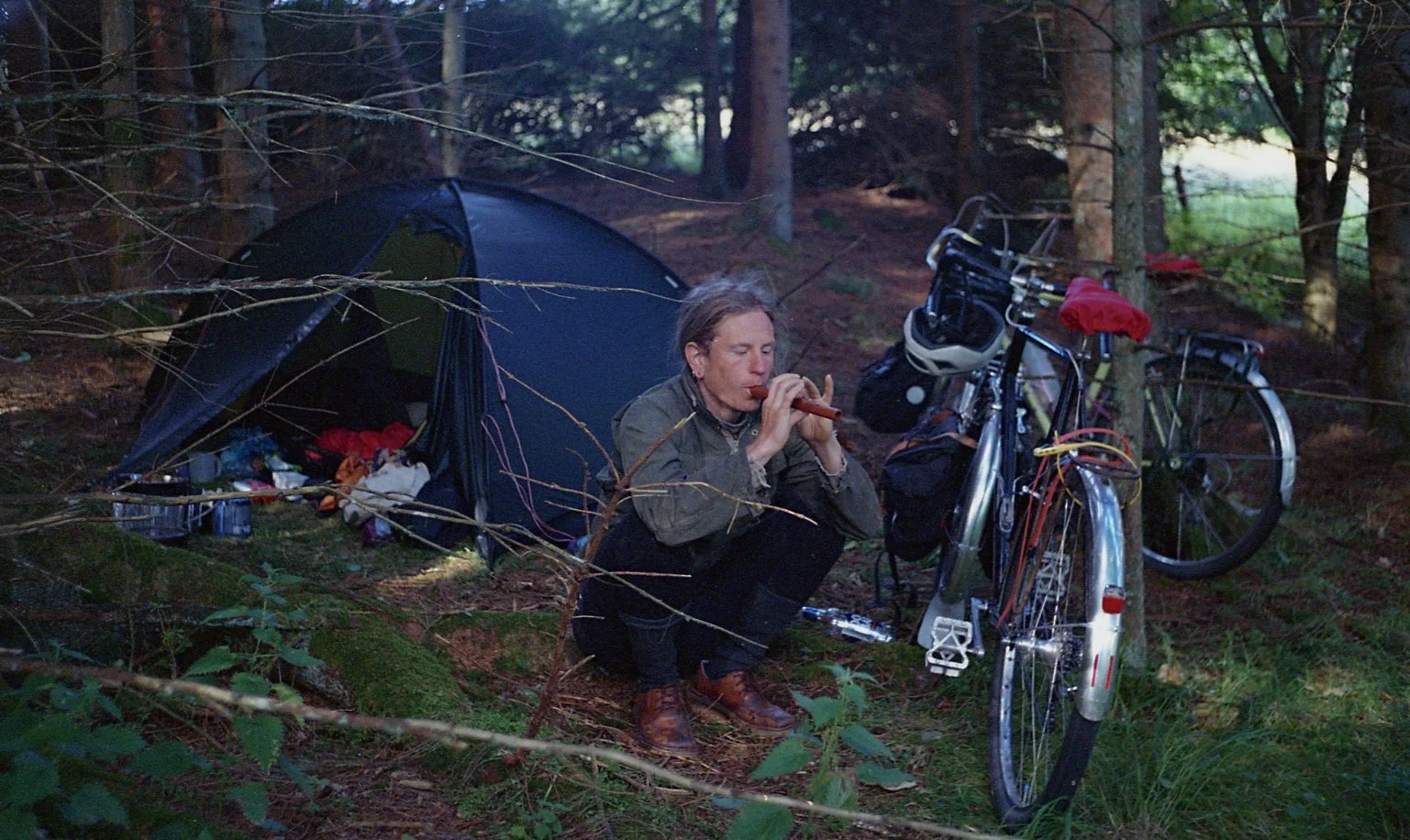
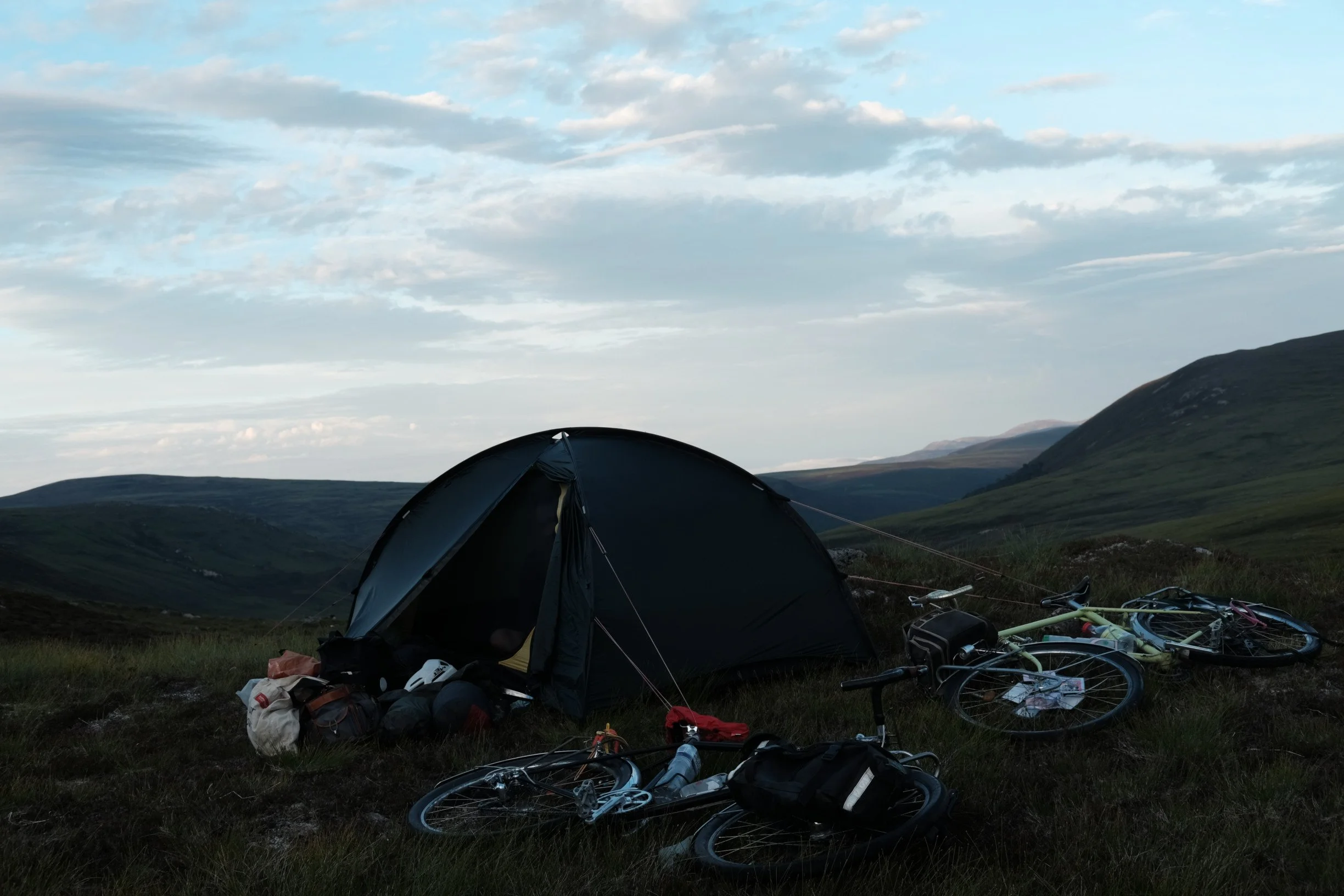
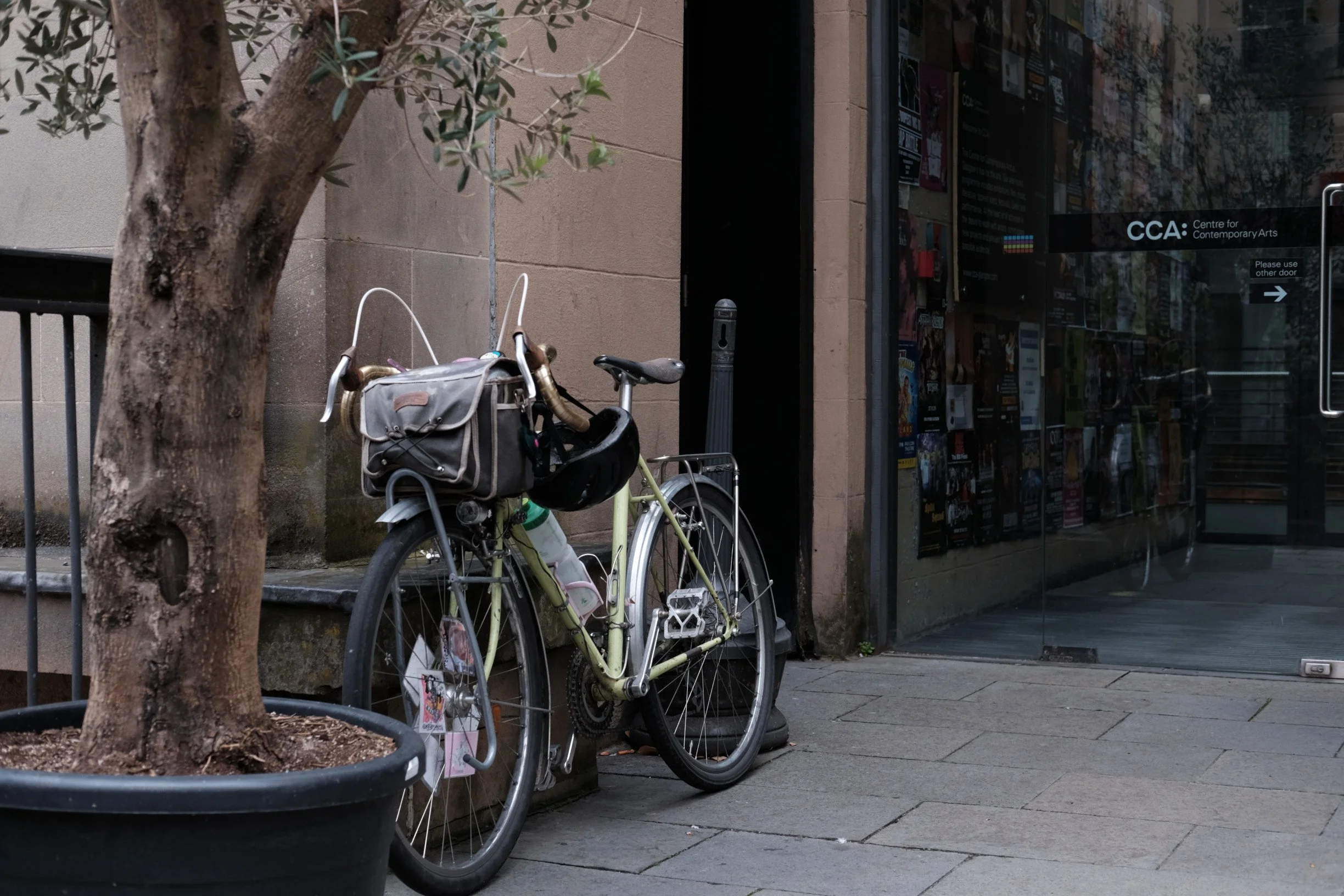
The green bike seen in the pictures is a Bridgestone ‘Diamond Camping’, nicknamed ‘La fae verte’, a series-built Japanese 650b touring frame from the 80s. Many many tours have been ridden on this bike. It has also served as an example for Tunk, being noted to be a very good functional design, and our frames share the basic concept, if not all the details.
We are not going to recount the whole trip here, but let the pictures do most of the talking. But a short introduction and quick highlights are probably called for. The tourists involved were me (Aki) and Inka, long time com-panions, bread-sharers, in life and cycling. The duration of the tour was around 3 weeks, including the motor-aided trips there and back.
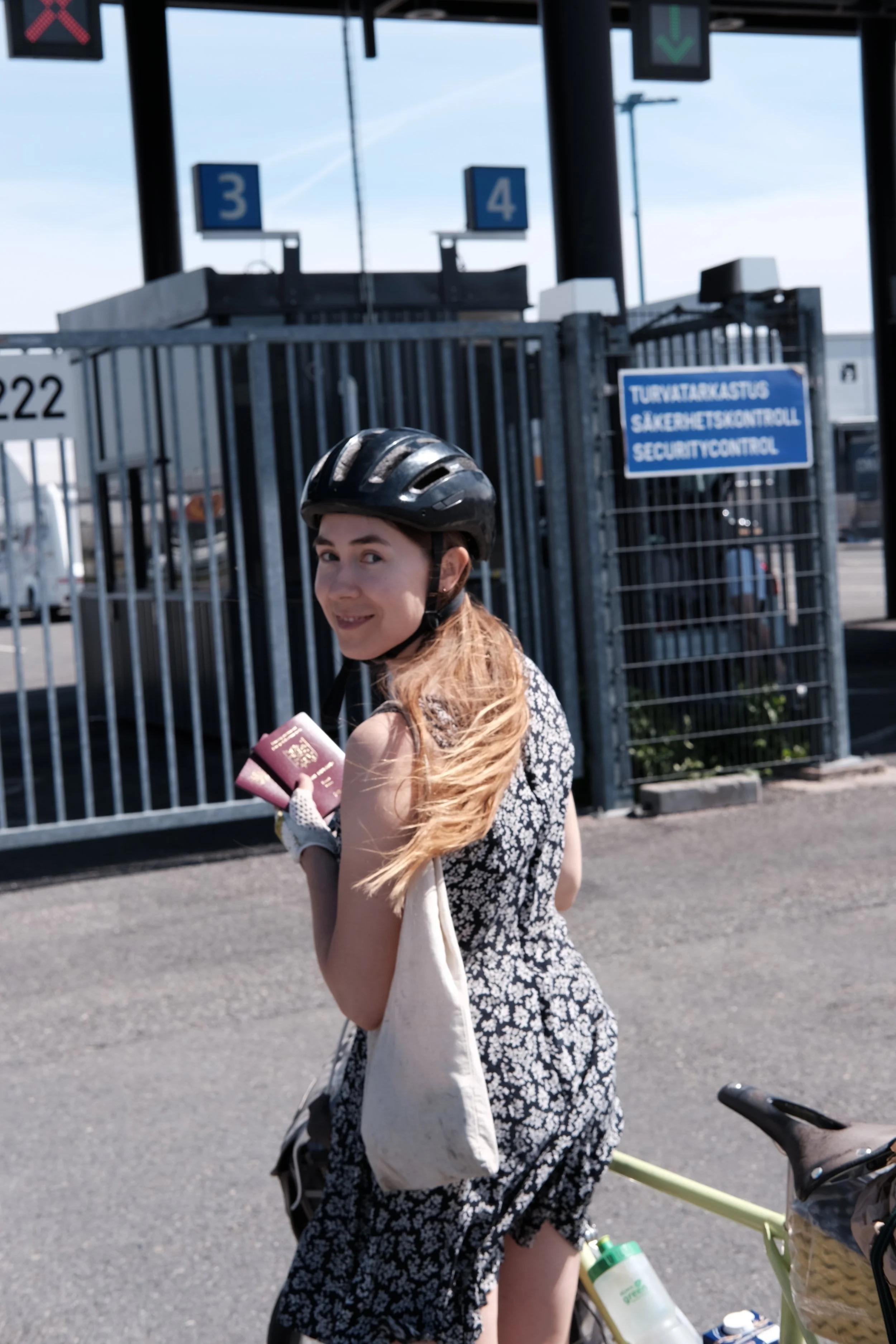
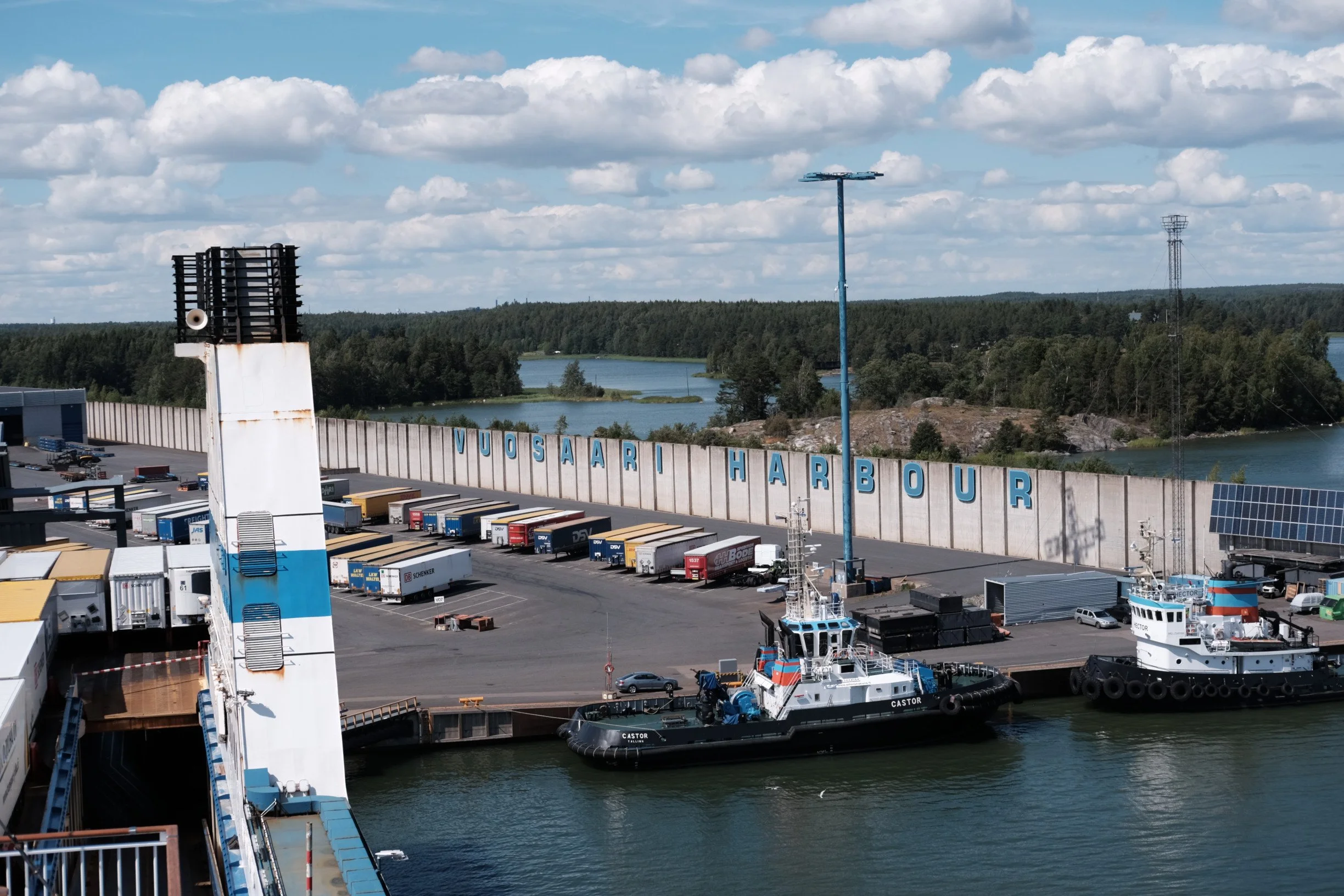
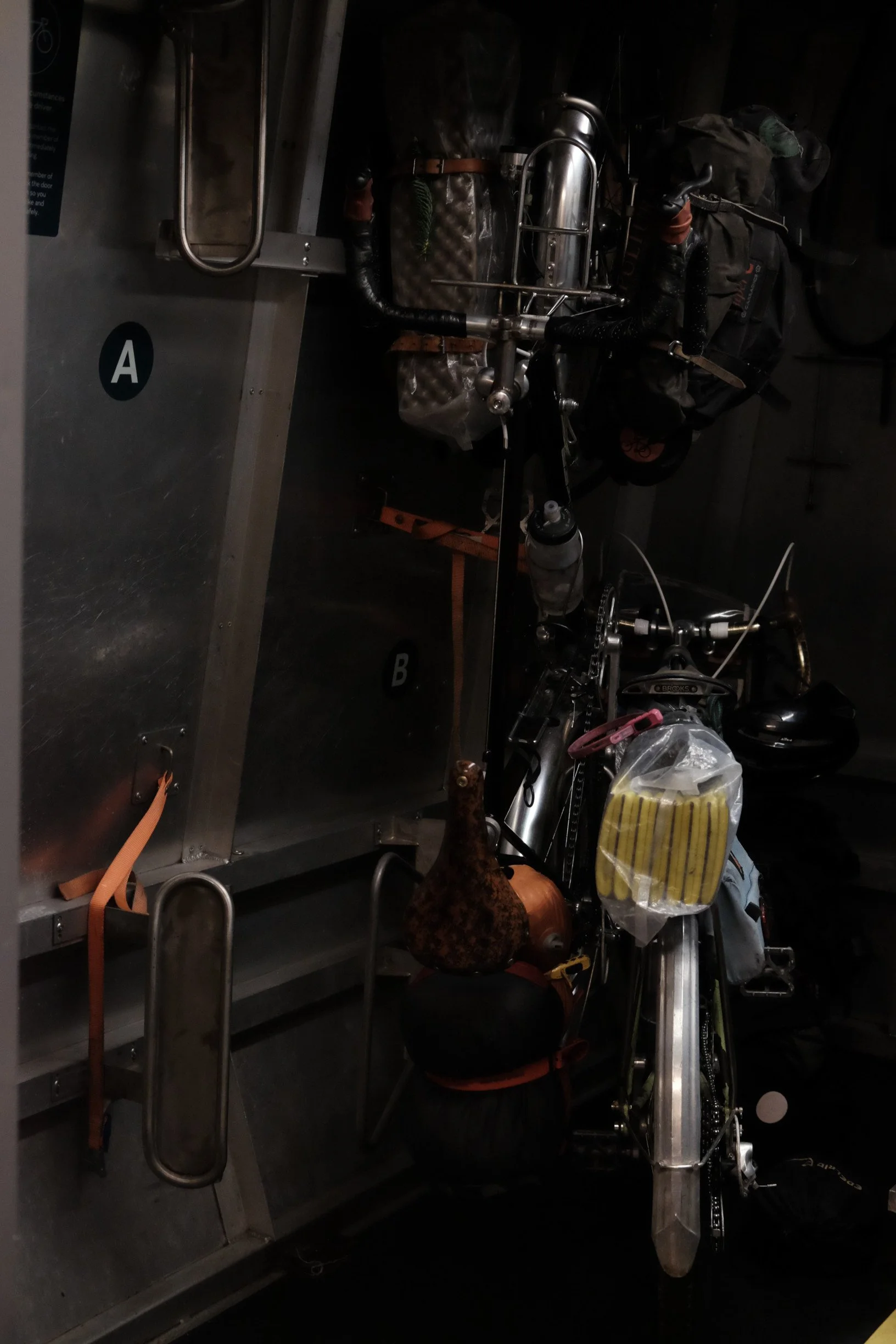
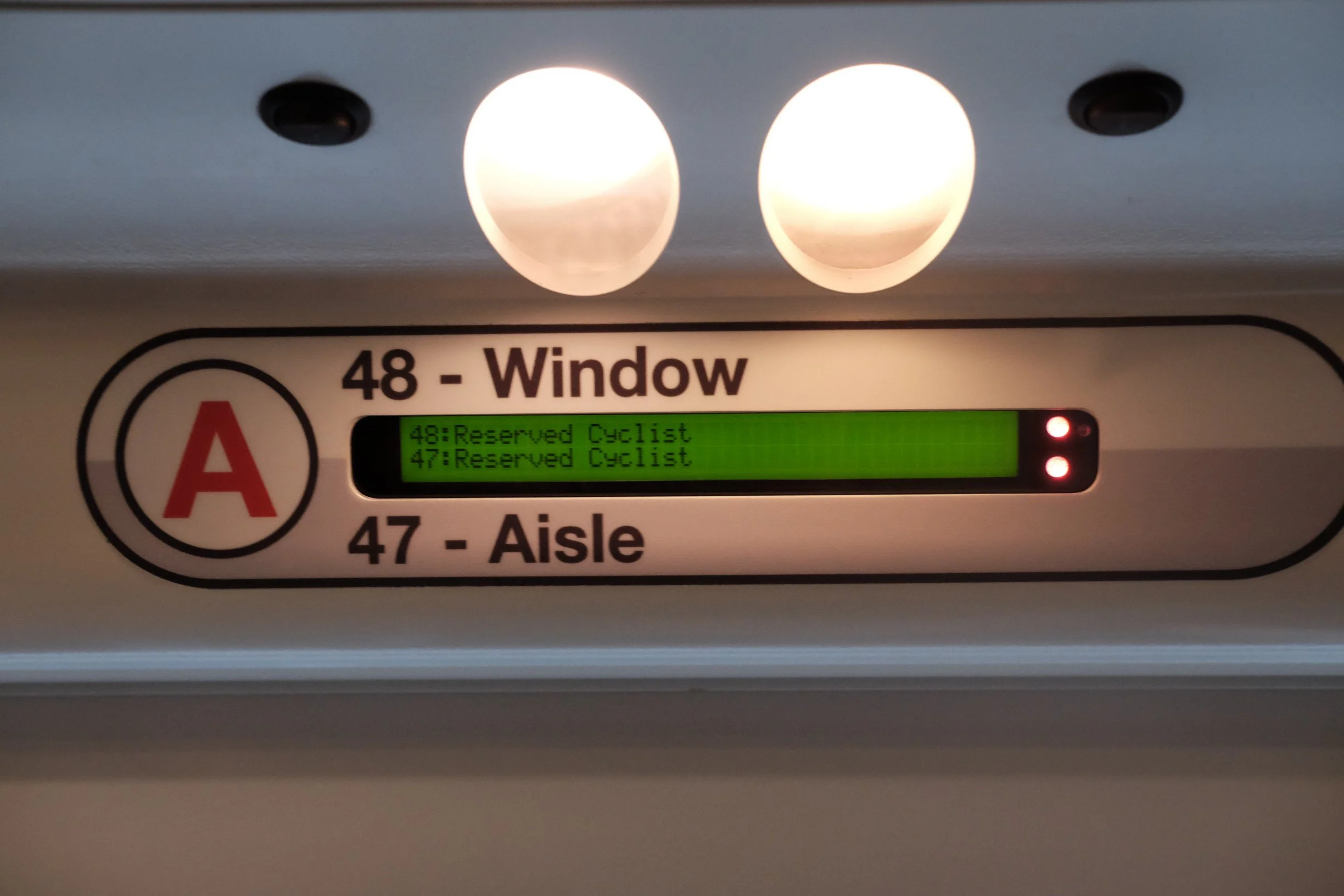
The whole trip from Helsinki was made by boat, train and bicycle. From Helsinki to Travemünde, trains to Amsterdam, a boat to Newcastle and from there by bicycle around Scotland. And a variation of the same scheme to come back, but this time trains from Glasgow via London and across the Strait of Dover and then trains to Stockholm from where we took the final ferry home.
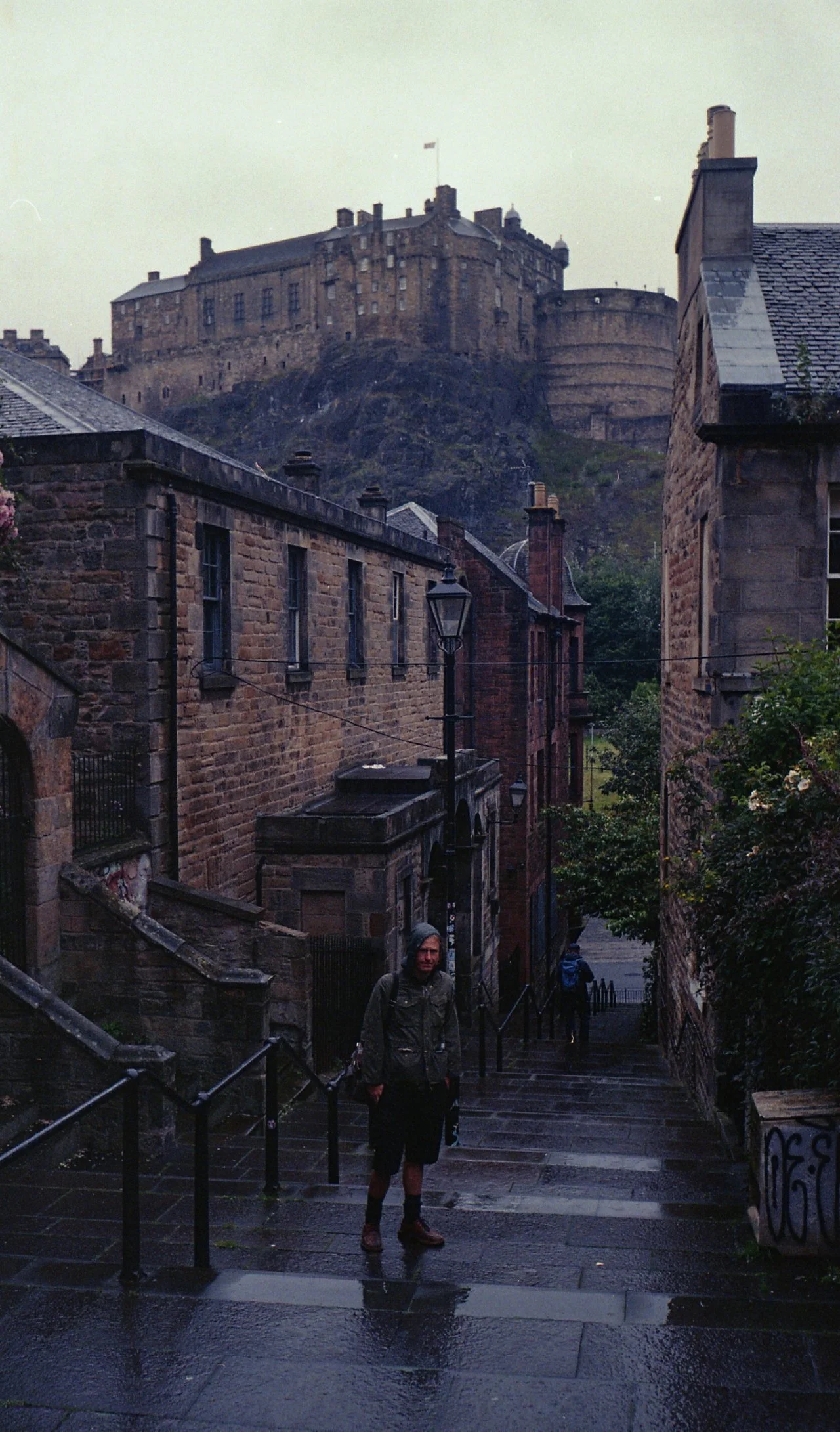
Our ‘checkpoints’, mostly improvised, on the tour itself were Edinburgh, Perth, the Cairngorms, Inverness, Fort William, Oban, Isle of Arran and Glasgow. And all the little towns, hamlets, country roads and camp sites in between.
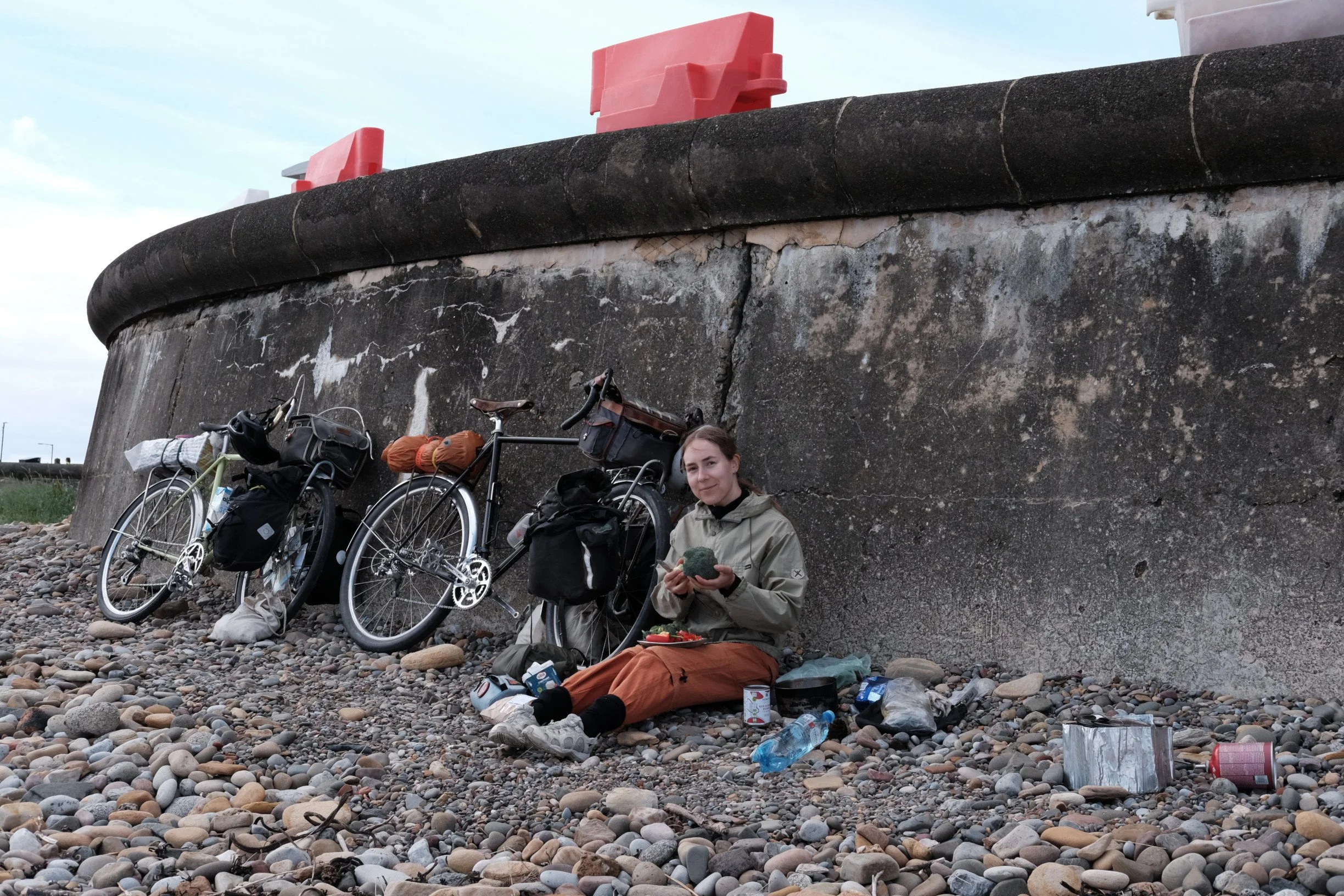
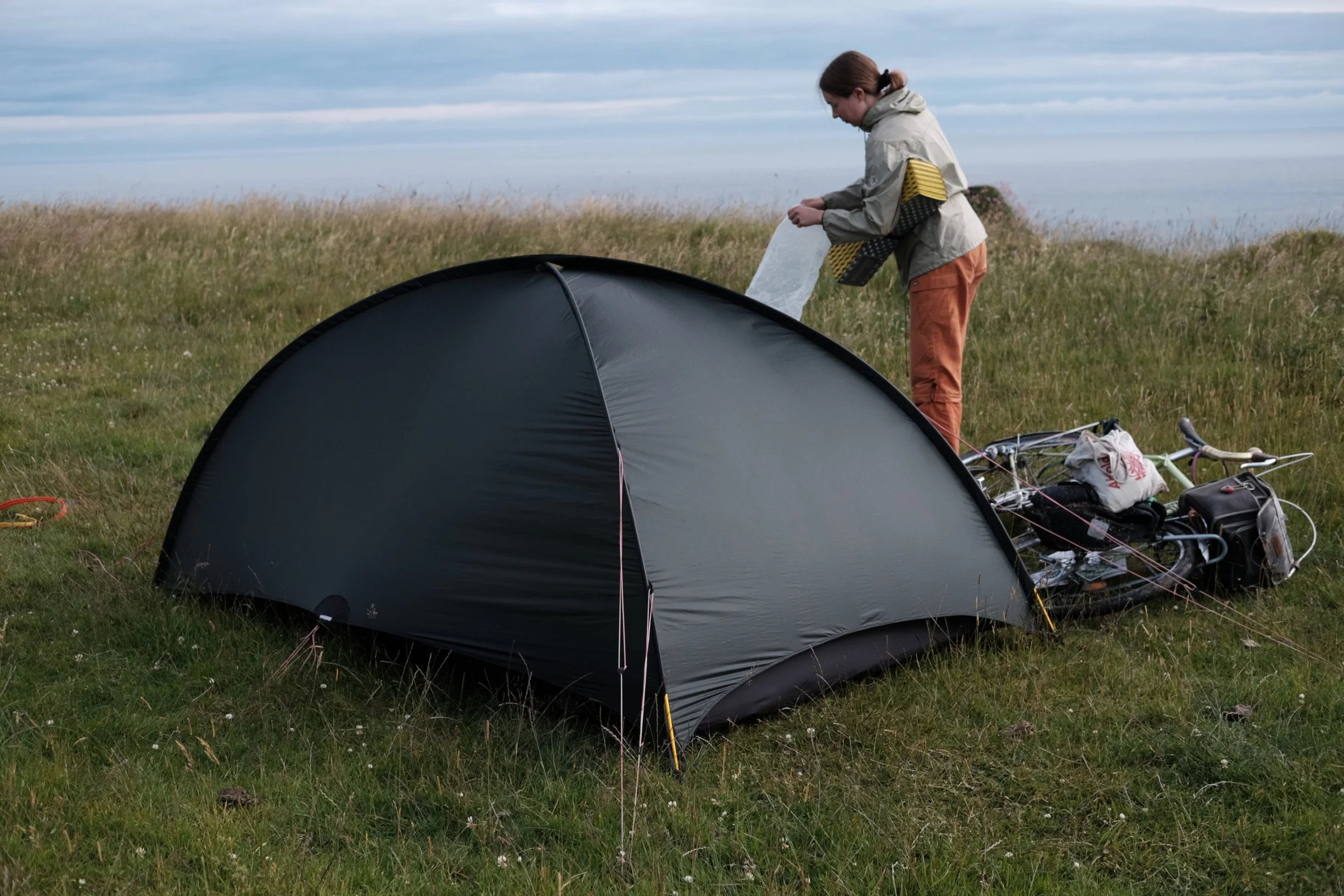
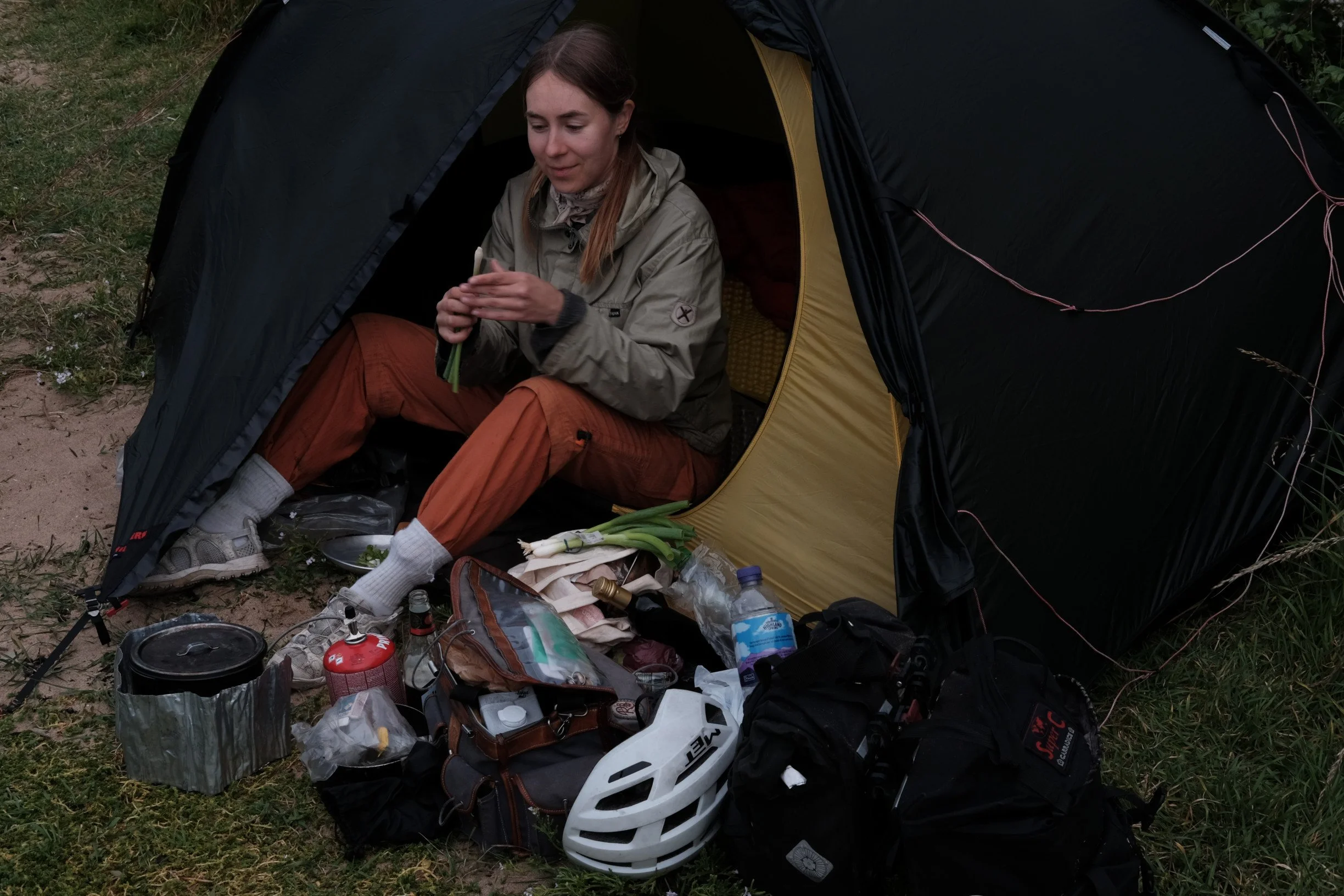
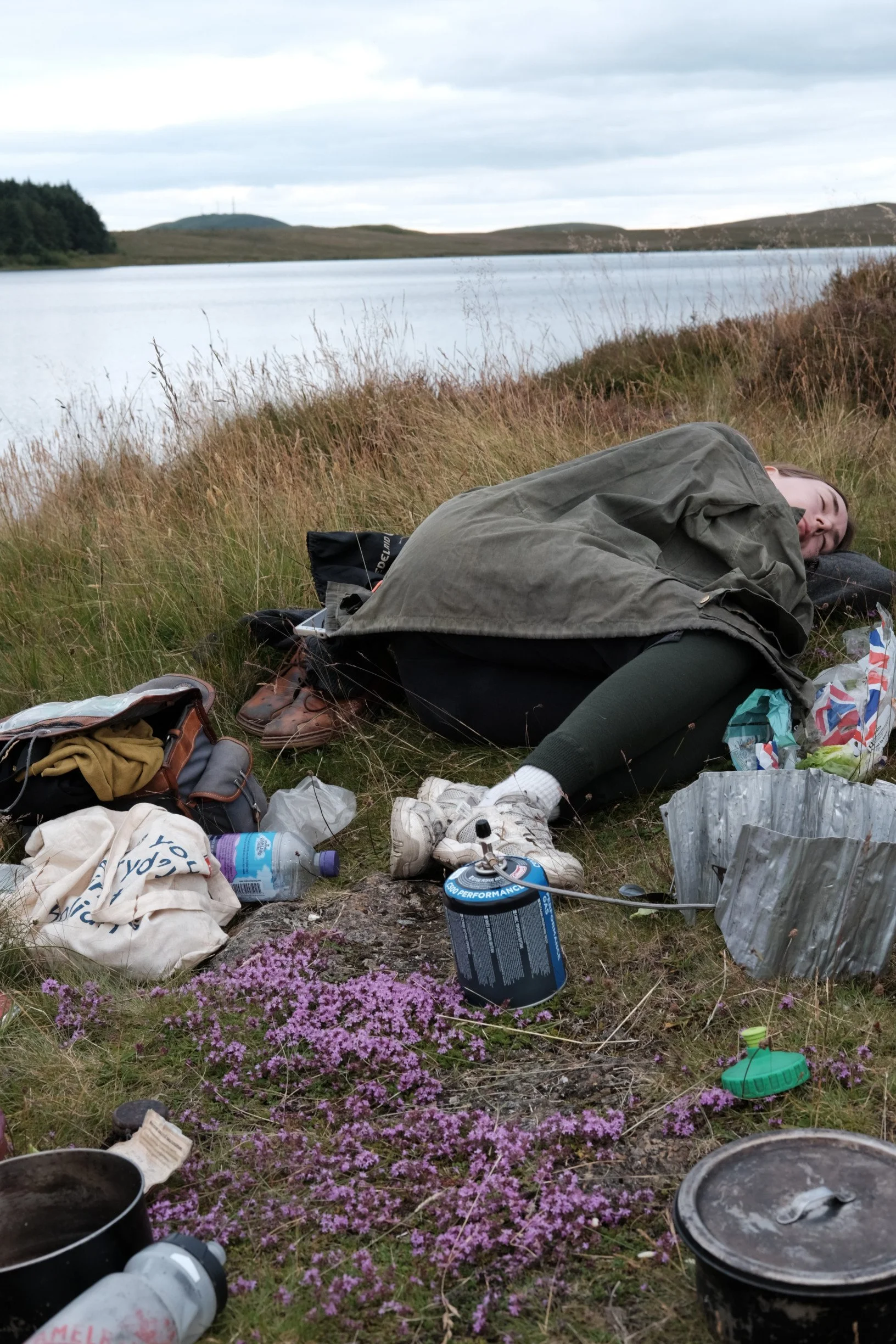
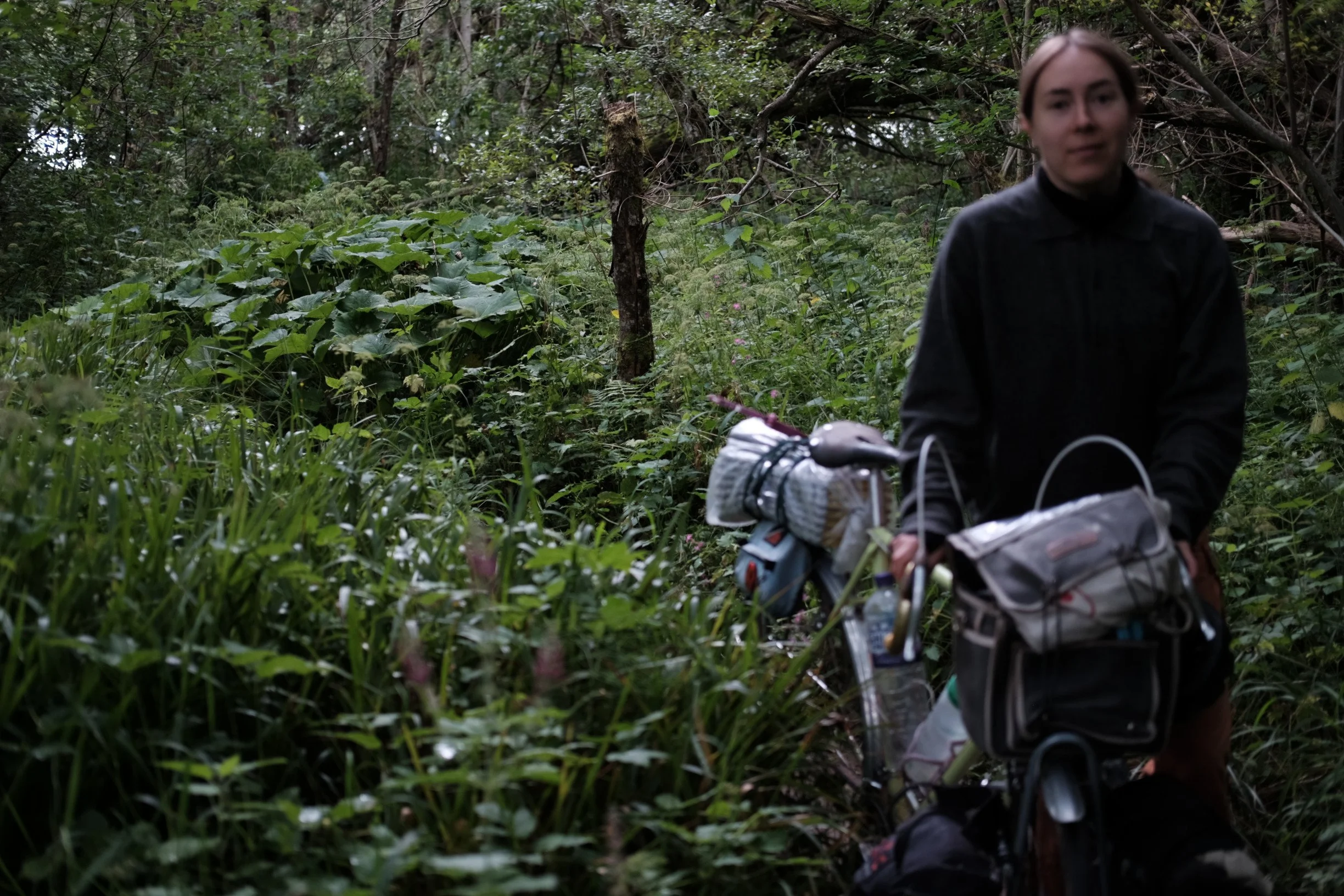
We stayed mostly in our tent, the green Hilleberg shown in many of the pictures. Wild camping is allowed in Scotland, a weighty reason for our choosing it as our destination. Due to constant, though light, rain, every 5-7 days or so we stayed somewhere inside to dry out all the gear. A damp musty smell in said tent was still a souvenir from this trip, as it was moist most of the time.
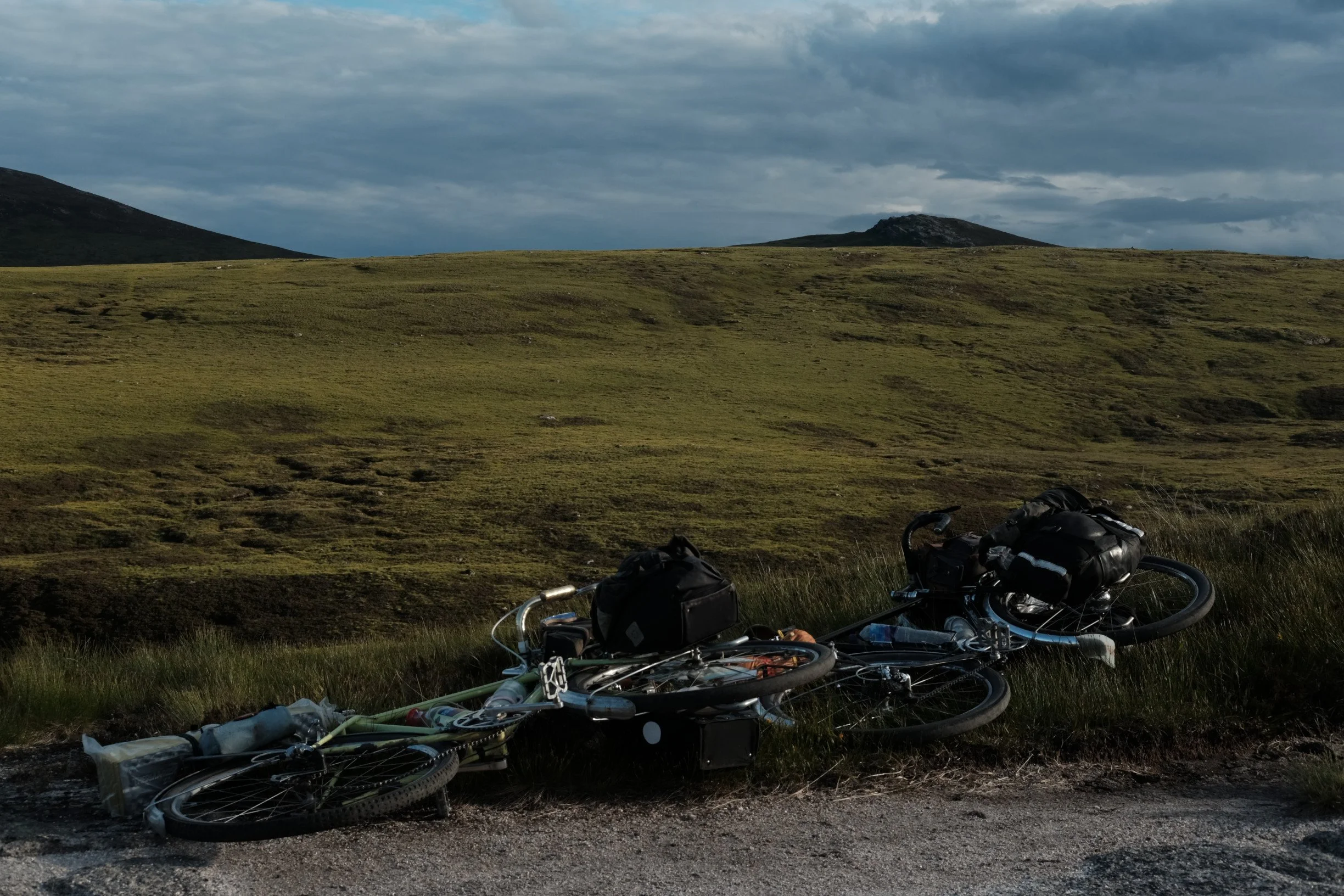
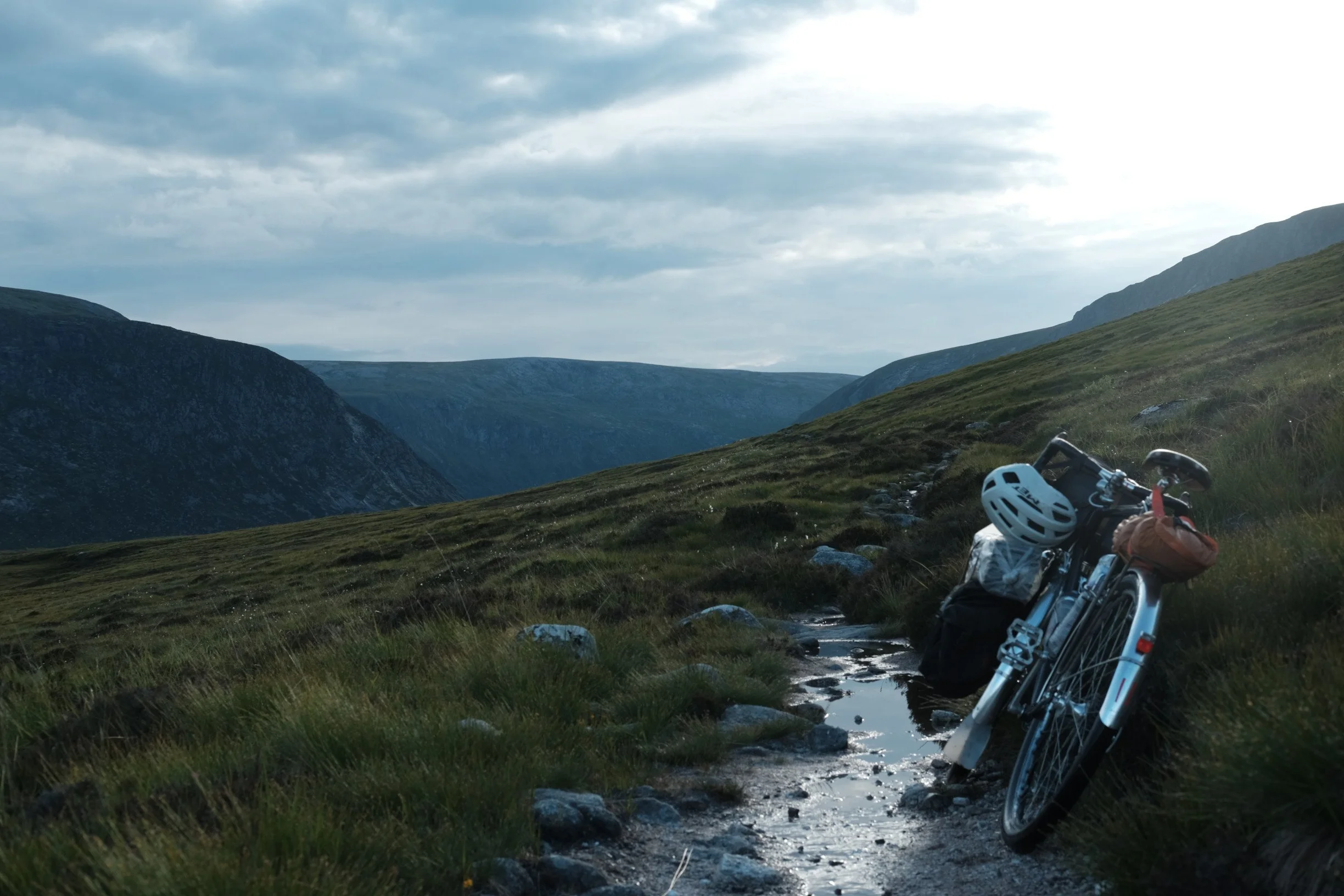
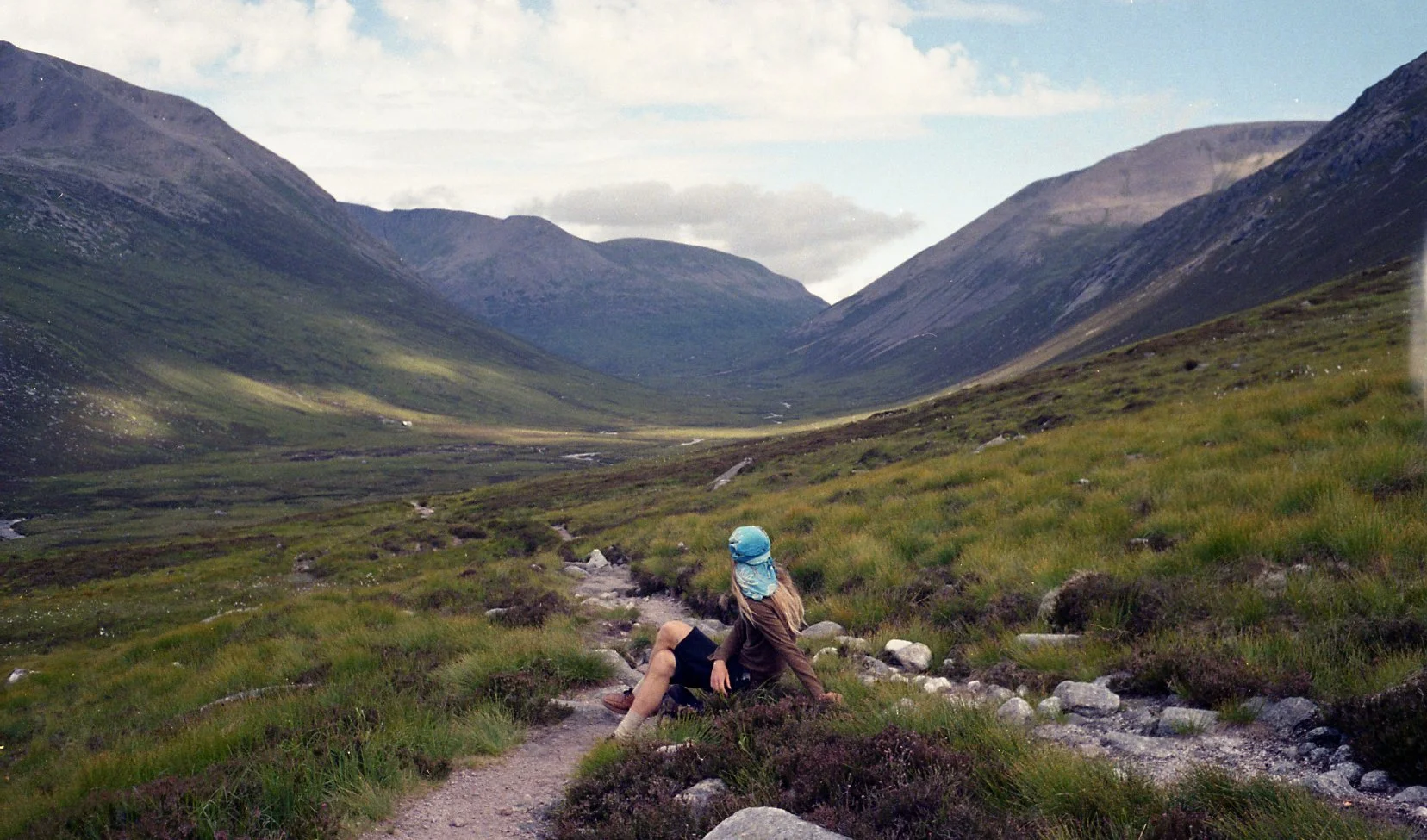
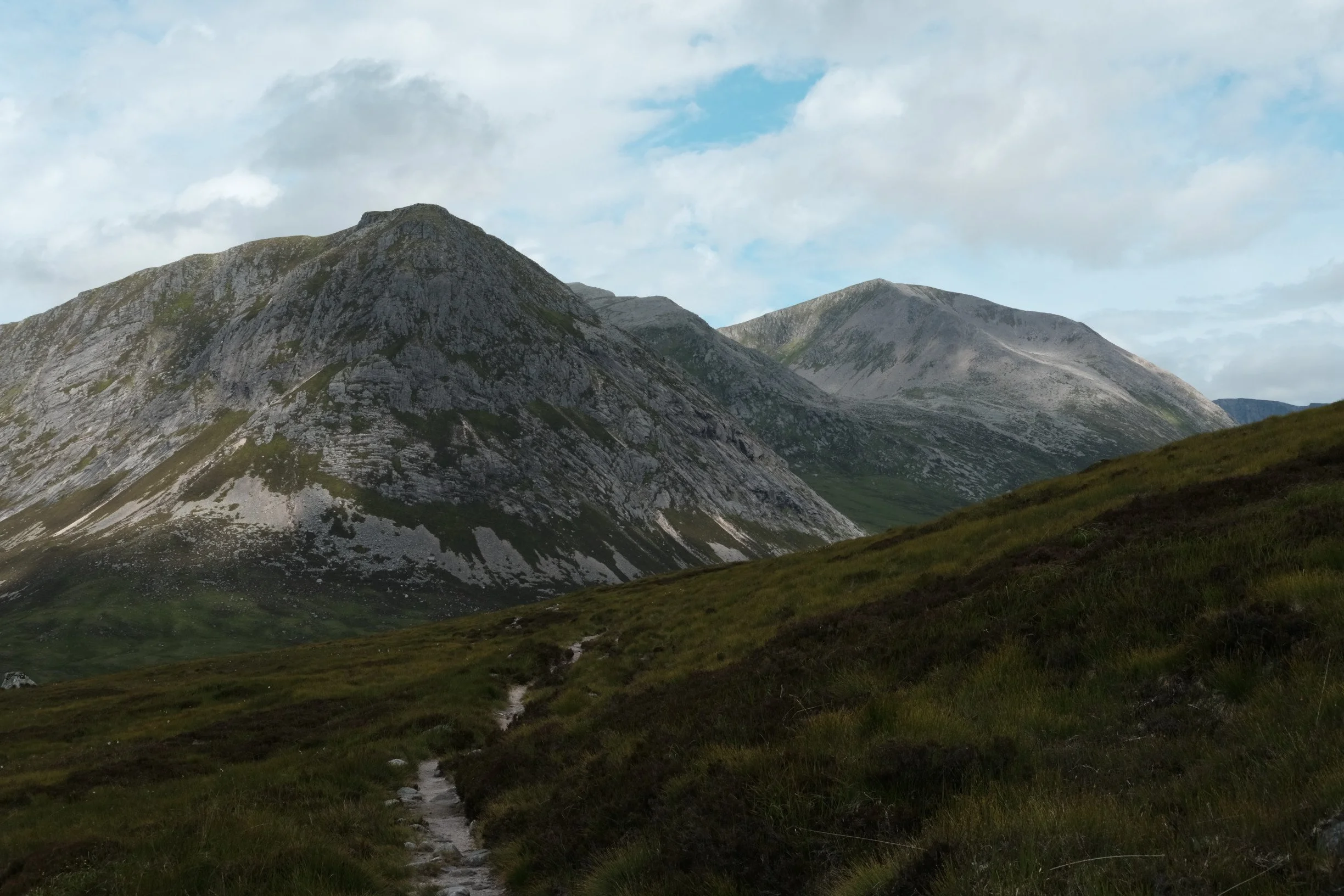
Peak moments include tunking in the Cairngorms, where we tried to cross the Lairig Ghru, as seen in the Rough Stuff Fellowship books. But our quite heavily laden cycles proved a bit too much to do that, so after a day we turned back.
The town of Inverness was very charming and Leakey’s Bookstore was just as fantastic as one could expect. Next to the 6 meters of fishing books there was a single book on cycling, which happened to be the correct one, ‘The Winged Wheel’, the history of the Cyclists Touring Club, which I of course bought and have since enjoyed greatly.
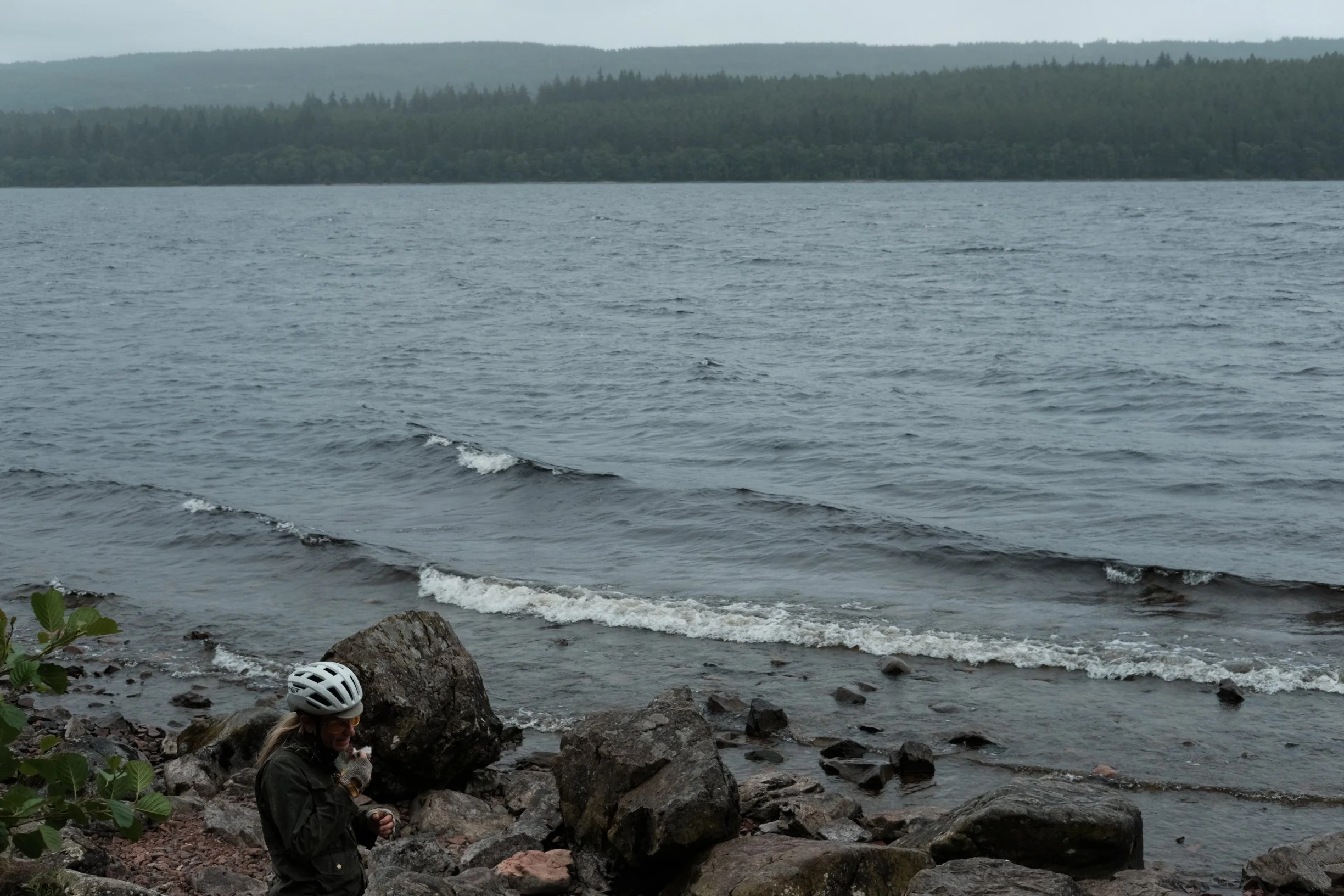
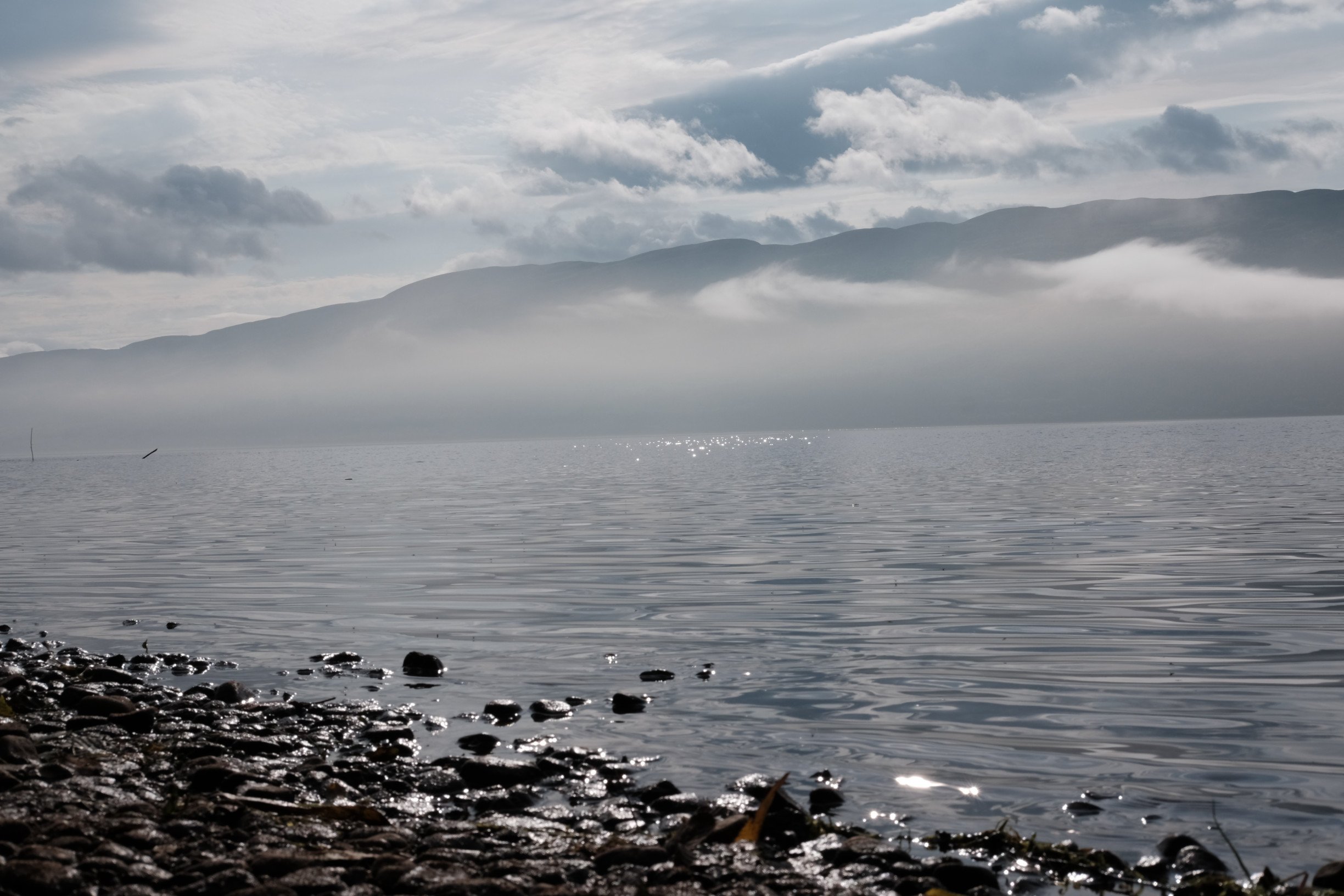
Inclined to legends and beasts as we are, we of course had to visit Loch Ness and camp there. We found a beautiful delta and a perfect camp site (marked as ‘Loch Ness viewpoint on google). During the night we heard mysterious bellowing cries, which Scully would say were just the local deer…
A new magnificent experience for us was staying in Youth Hostels. The amenities and services for cyclists were exactly what one could ever desire: bike storage, gear drying spaces, well stocked cook-it-yourself kitchens and simple sleeping dormitories. Most “normal” accommodations are the exact opposite of what a touring cyclist wants: weird unnecessary luxury and excessive cleanliness, expensive restaurant style food etc… The hostels were very popular though, so do reserve in advance if possible!
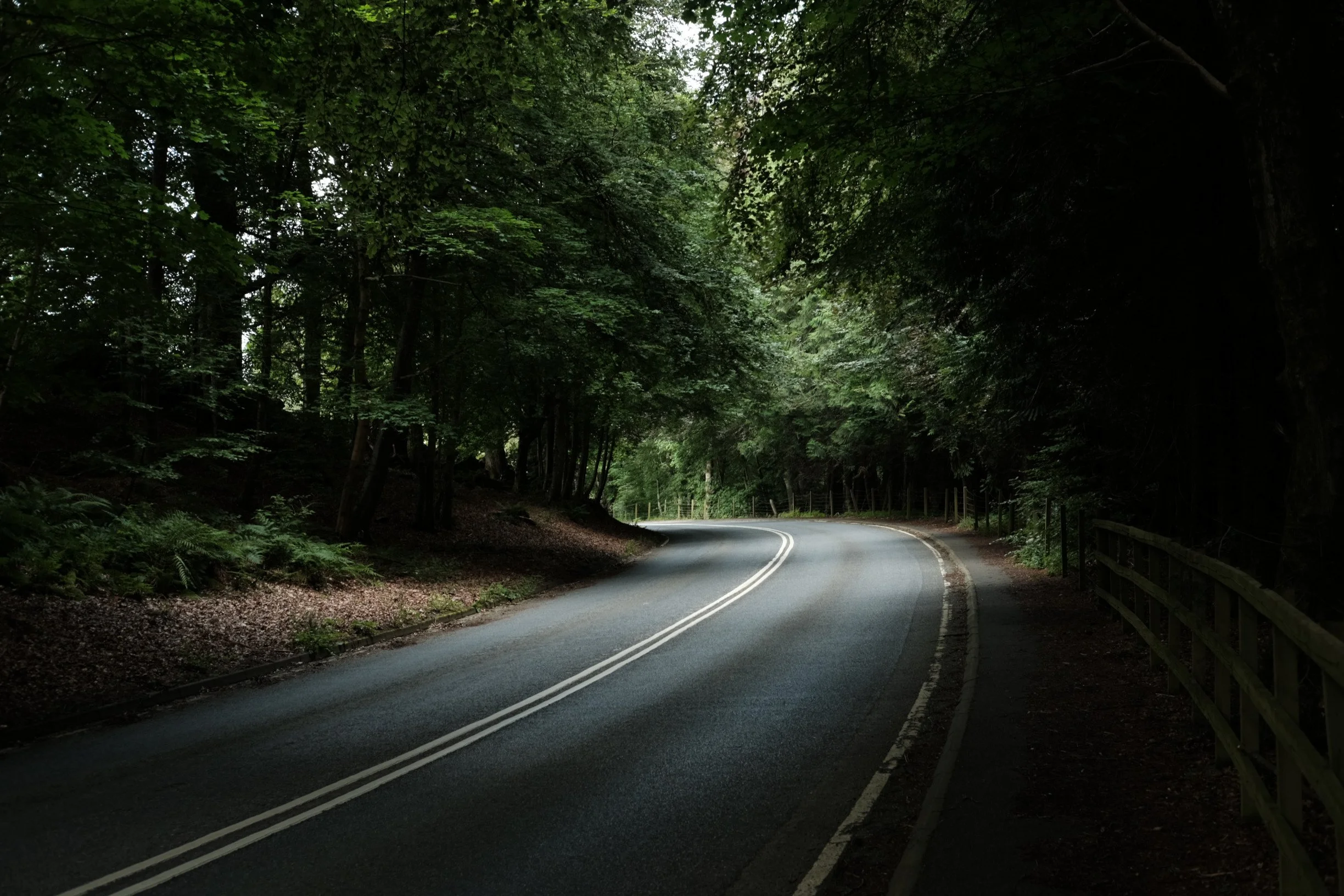
Our routes were mostly improvised and mostly enjoyable. We rode a lot on the official national cycle routes, which were scenic and well removed from car traffic, but often containing long and winding and slow detours. On days when we needed to actually get somewhere we often took the main road. In many places there was no option of the ‘quiet road’ so we had to ride on the non-existent shoulder of the road with plenty of traffic. And British drivers are aggressive compared to many other places we have been to! (Somehow I understood that worst of them, which were many, were English or foreigners on holiday, so the locals are not necessarily to blame for the reckless driving)
As a whole the routes were good and the cycling specific ones well marked. Riding on the left side of the road of course was intimidating at first but after the first few days and one close call with a small truck we did just fine.
There were also many seemingly interesting ‘gravel’ routes to be found online, but as they usually didn’t go where we wanted to go, we mostly did not ride on them. We are touring to go places first and foremost, and cycling is often secondary, it is the means of transport.
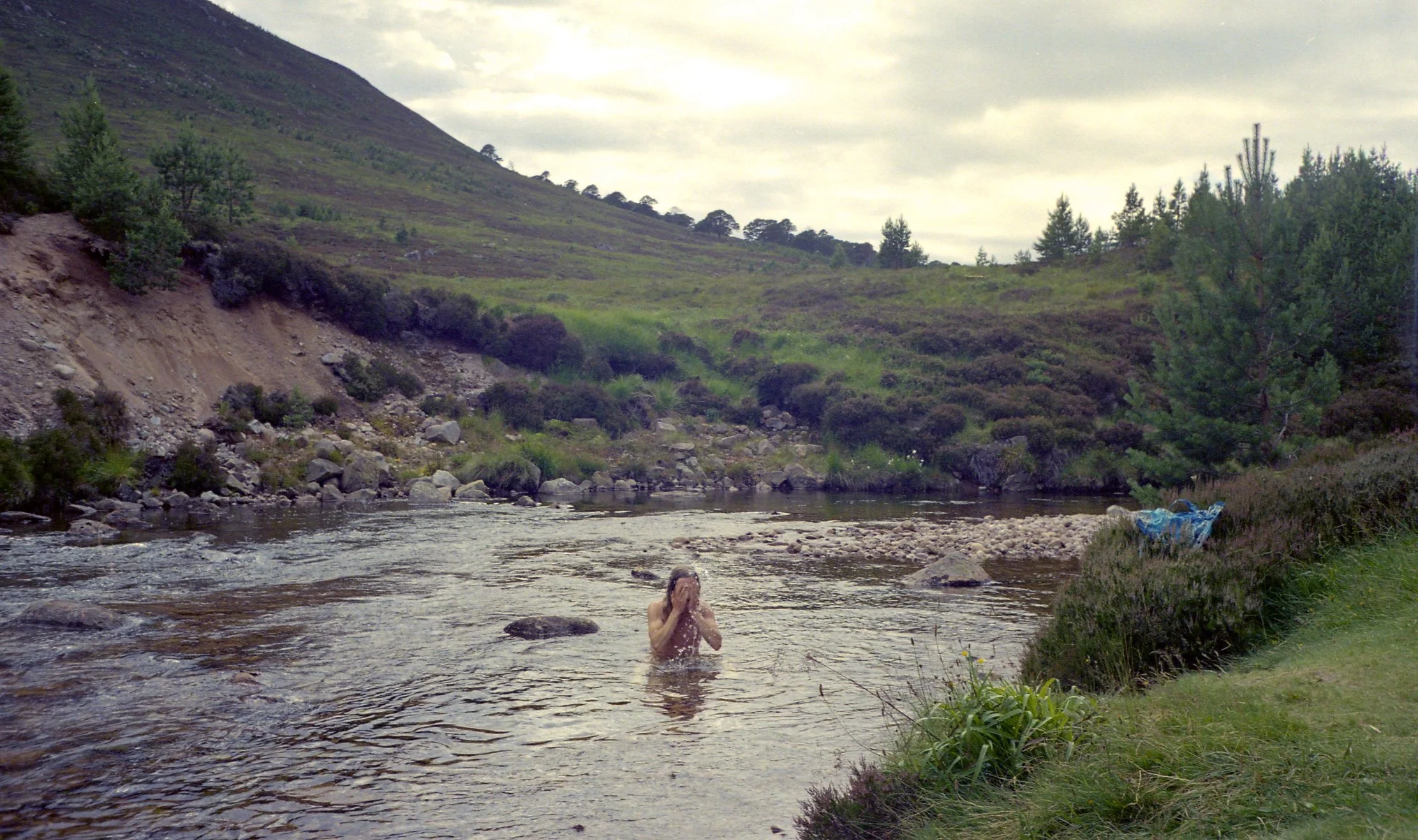
Another annoyance besides the omnipresent cars were familiar from Finland as well: the bugs. In Finland they are mosquitoes and ticks and horseflies, in Scotland it was ticks and midges. From my own person about a dozen ticks were removed during the few weeks there. Inka didn’t have as many, but an unfortunate event did occur in sitting into a nest of freshly hatched baby ticks. They were washed off with an emergency swim in the Caledonian canal.
The dreaded midges had been mentioned in cautionary tales. At first we thought them to be exaggerated, as we really only encountered them a few times, but later we did in the most massive quantities, namely in the Isle of Arran we were besieged by clouds of midges so that stopping to eat was almost impossible! And we are not especially thin-skinned, being well acquainted with Finnish mosquitoes. But like said, they only appear in certain locations, if we understand correctly, mostly on the western coast and not really at all in the highlands.
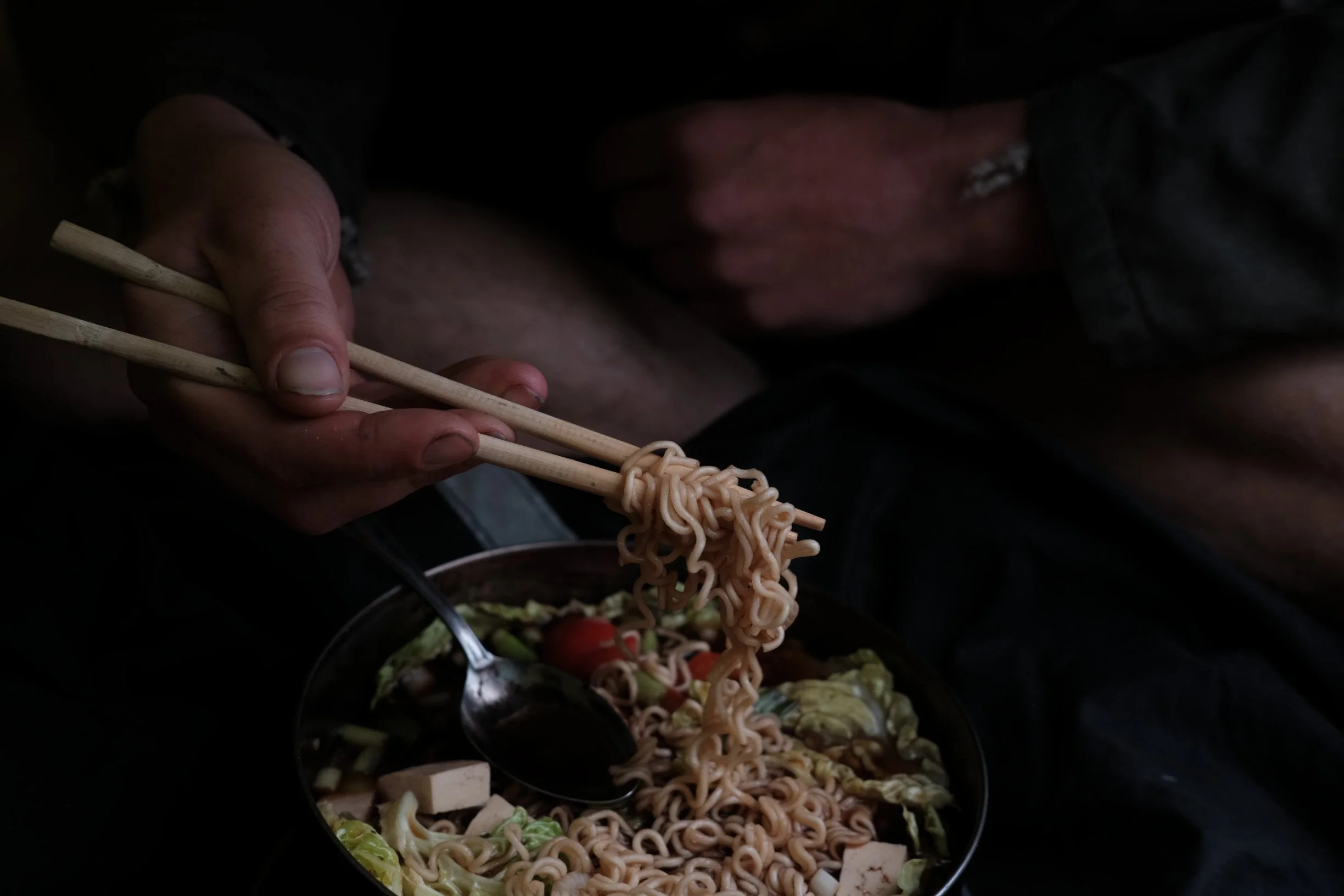
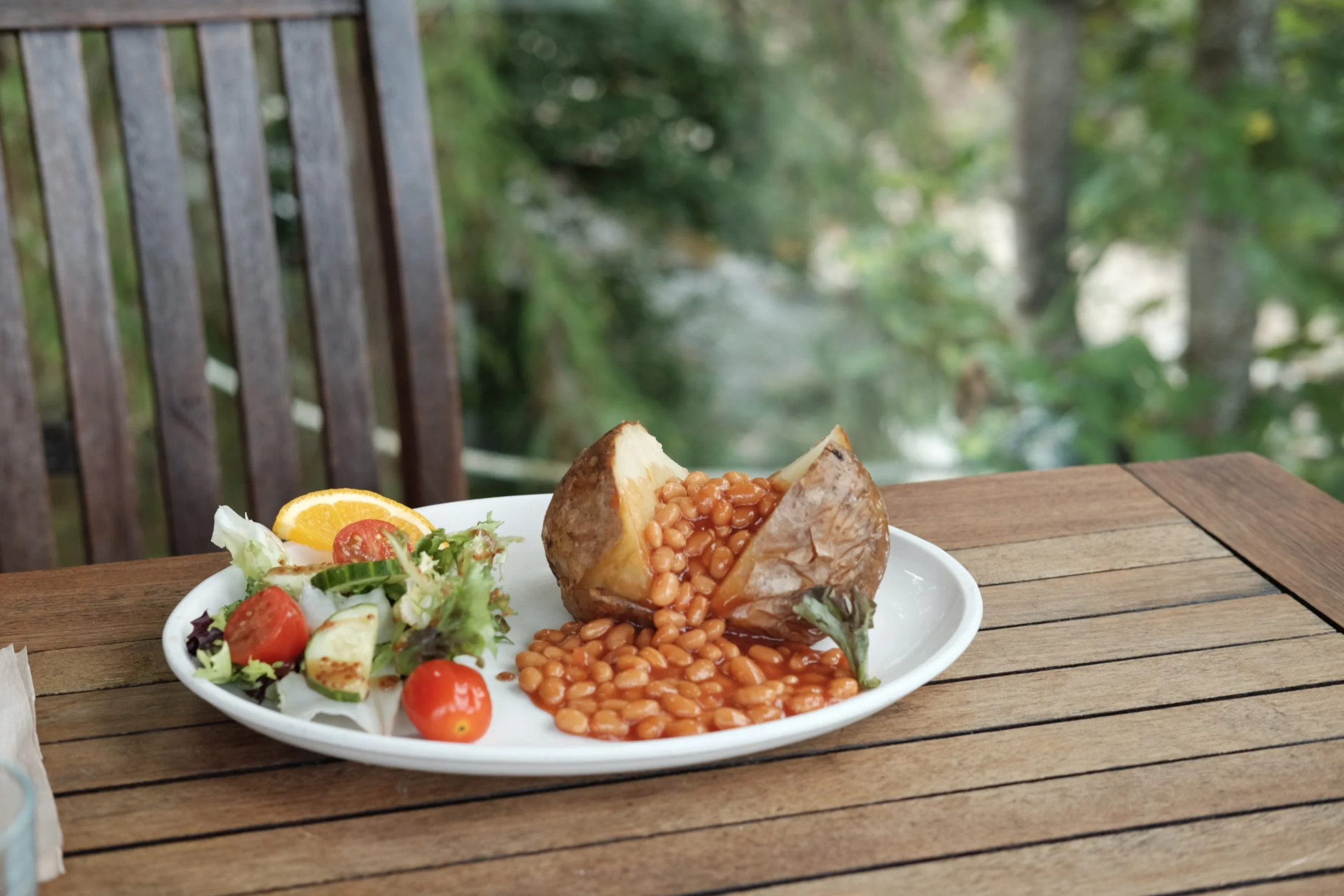
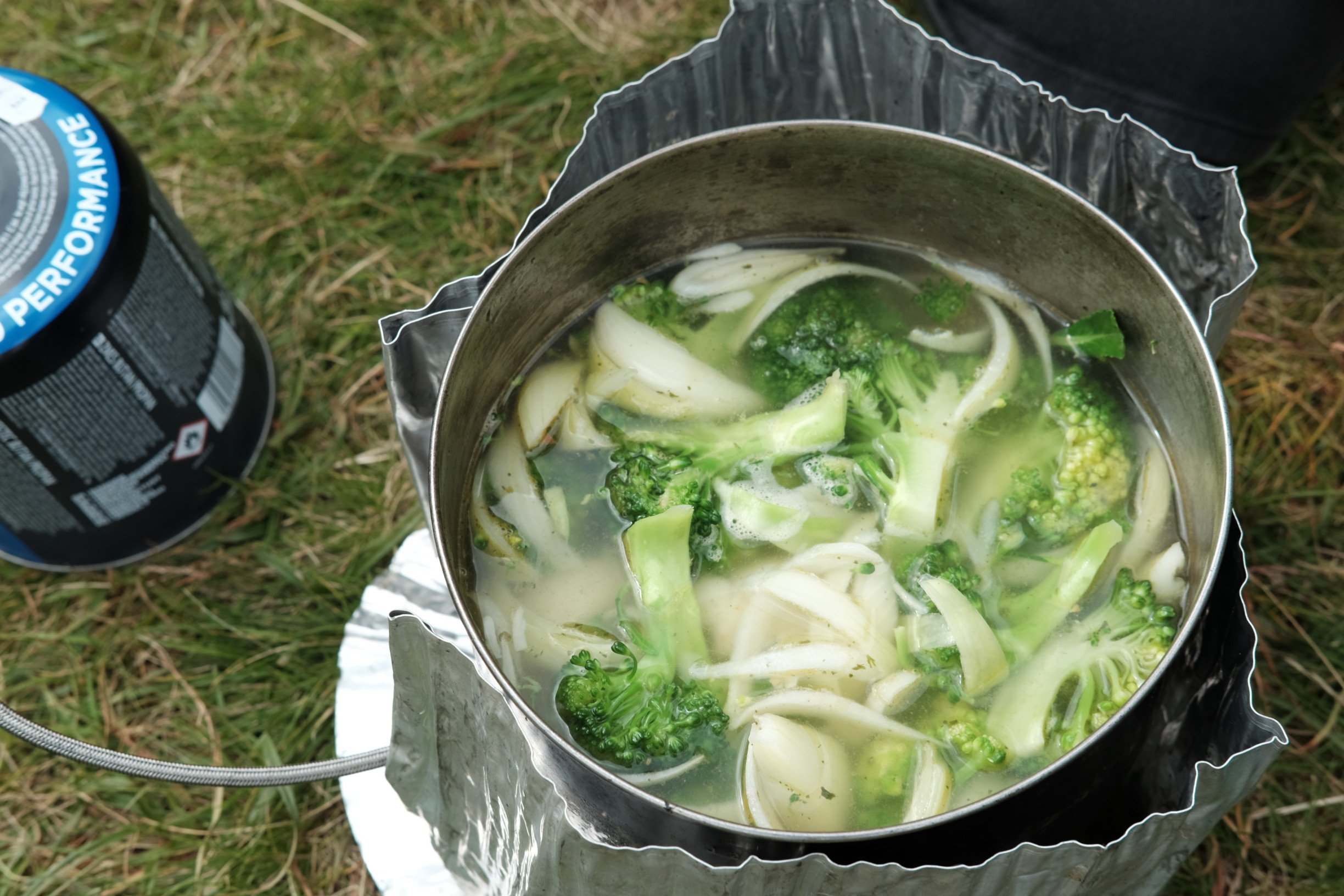
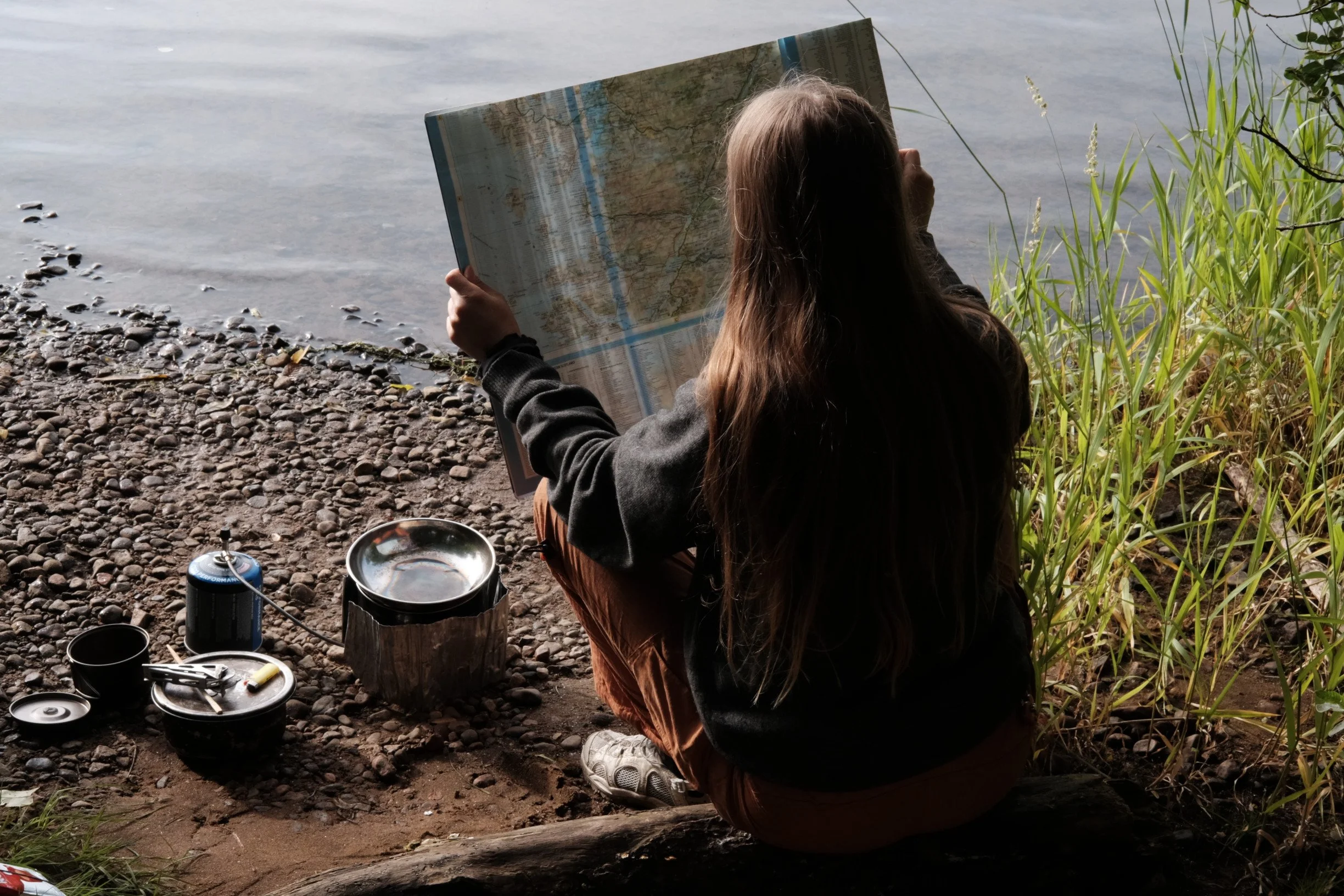
We did not have any real difficulties in acquiring food as not-very-strict vegans, though our staple tofu was not to be found everywhere. We did do most of our own cooking as restaurants were quite expensive and scarce in the small towns we visited along the way.
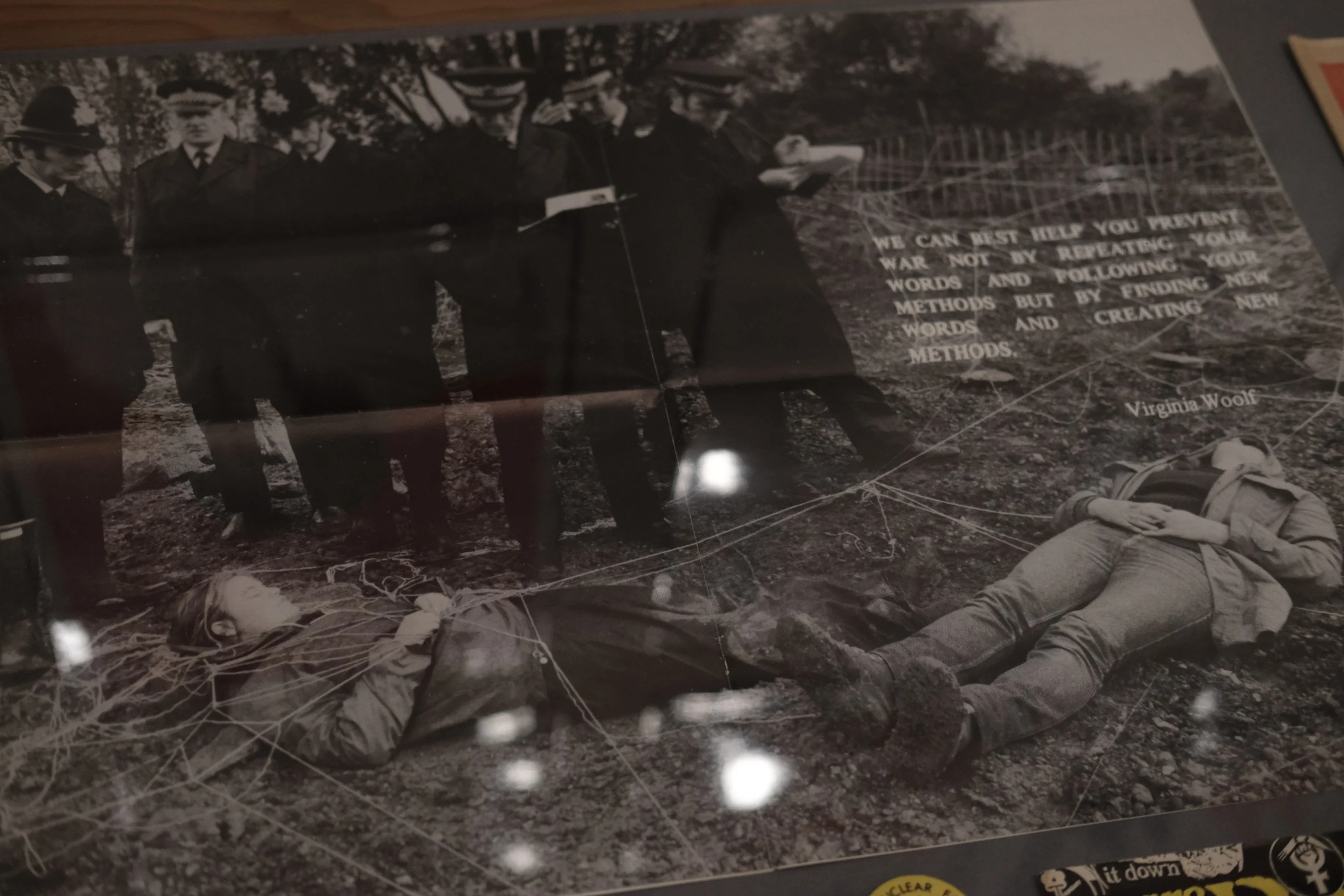
Of course we visited all the possible museums as well, which were plentiful. We also visited most of the possible flea markets and charity shops, which were also plentiful. By far the best shopping to be had was (not surprisingly) on our last day in Glasgow at “Mr. Bens Retro Clothing”! The amount of high quality wool garments and cotton outdoor wear was simply incredible…
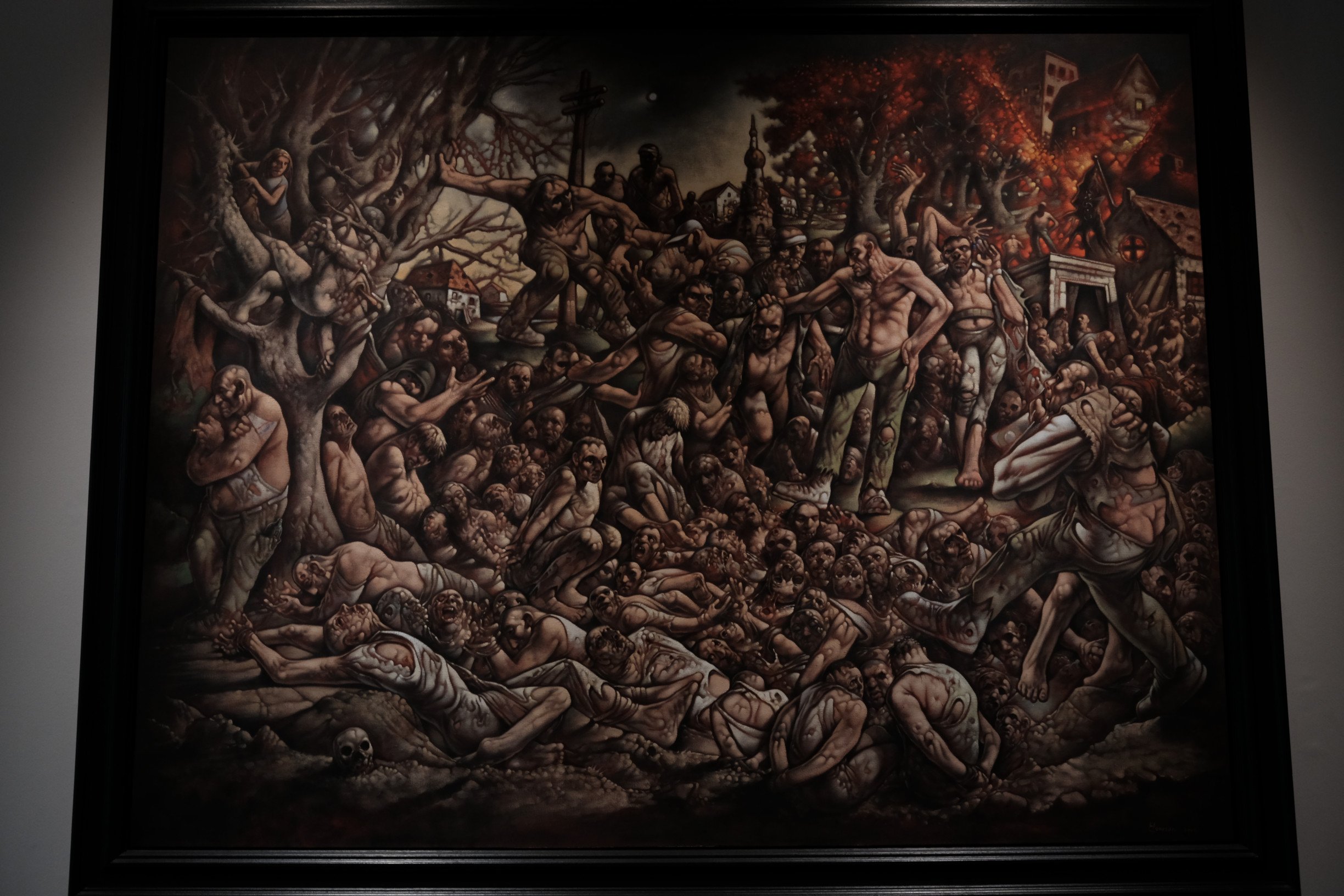
Speaking of wool, the no. 1 material of choice for our clothing, we also learned the dark history of the colonization of the Scottish highlands, taking the common lands of the people and evicting them to be replaced with sheep to provide raw material for the booming wool and garment industry in Britain… Many other a thing about local history we did learn, too many to recount here.
All in all the tour was challenging, rewarding and fulfilling both culturally, physically, cycletouristically and in the form of many pictures taken and some vintage clothes acquired, we came back laden with souvenirs.
